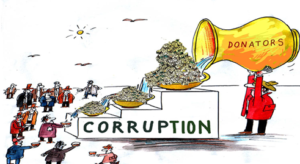
Money in Politics: Who Really Pays for Leaders and Why
Politics costs money. It costs money to run a political campaign.

money in politics
Politics costs money. It costs money to run a political campaign. You need money to hire staff, travel around the country, organize rallies, print posters, and buy ads. Even now, social media campaigns and TV ads cost a lot of money.
The situation makes me wonder: Where does this money come from? Who are the actual contributors to political campaigns, and what motivates their support?
This blog will look at how money moves in politics. We’ll find out who gives these people money, why they spend so much on leaders, and what this means for people like us.
The Price of Today’s Politics
Politics costs a lot of money these days. Campaigns used to be smaller. Leaders walked or rode horses to get around, and news spread slowly. Things are different now, though.
Leaders need ads on TV, the radio, and social media.
They need campaign managers and consultants who know what they’re doing.
They put together big public events with sound systems, stages, and security.
They spend money on hotels, cars, flights, and travel.
Big countries like the US and India spend billions of dollars on elections. The cost of running a campaign is very high, even in smaller countries.
So, leaders can’t pay for all of the costs on their own. They need financial contributions from supporters.
Who distributes money to political leaders?
Let’s look closer at the main ways that politics gets money.
1. People with a lot of money
A lot of the time, wealthy people give money to leaders. These people might be:
People who own businesses.
People who work in industry.
Famous people.
Wealthy families contribute significantly.
They give money because they want to get power. They get power when their candidate wins.
2. Businesses and Corporations
Big businesses are some of the largest donors to politics. They give money because
They want laws that are beneficial for business and friendly.
They want to avoid paying high taxes.
They want to secure government contracts.
They want to get rid of rules that could hurt their bottom line.
During elections, businesses contribute millions of dollars to political parties in many countries.

3. Interest Groups
A lobby group is a group of people who try to change the way the Lobby groups collect money from individuals and donate money from individuals and donate it to politicians.
For example:
Lobbyists for oil and gas want more support for fossil fuels.
Healthcare groups want laws that help drug companies.
Gun rights growths groups financially support leaders to ensure they consider their opinions. support leaders to ensure they consider their opinions.
4. Donors from other countries
Sometimes, leaders receive secret money from people or groups from other countries. They do this so that:
Get political power in another country.
Push for policies that help their country.
Spread their ideas.
This kind of funding is often against the law, but it still happens in secret ways.
5. Regular People
In some countries, people also give money to their favorite leaders. For instance, people in the United States often provide small amounts of money. A supporter could contribute $10 or $20. When many people do this, it adds up to a lot of money.
This kind of funding is fairer. It indicates that people really support it. But it is usually less than donations from businesses.
6. Money that isn’t clear
Not all money for politics is clear. Sometimes money comes from places that aren’t known. This is what people call “dark money.”.
It could be hidden in charities or foundations.
It could come from foreign groups that we don’t know about.
The money could be funneled through complicated financial systems.
Dark money is problematic because it obscures the identities of those influencing political leaders.
Why do people provide money to leaders?
Politics that receives financial contributions is not charity. People and groups pay leaders because they expect something in return.
Let’s look at the main reasons.
1. To Change the Law
- People who provide money want laws that protect their interests. For instance:
- A factory owner might want fewer strict labor laws.
- A bank might want to make it easier to obtain loans.
- A tech company might want to pay less in taxes.
- They ensure favorable laws by providing financial support to elected officials.
2. To Get Contracts from the Government
Governments spend a lot of money on building things, keeping people safe, health care, and education. These contracts often go to companies that give money to politicians.
The result sets off a cycle: provide money to the leader, the leader wins, and the company gets big projects.
3. To Keep Wealth Safe
Rich people often provide money to leaders who promise to lower taxes. They ultimately save much more money in the long run by investing in election campaigns.
For instance, if a billionaire gives $10 million but saves $100 million in taxes, it’s a beneficial deal.
4. To Get In
Money gets you in. People who give money get to meet with leaders in private. They can push their plans right away. This level of access is not common for regular people.
5. To Stop Rules
Many businesses negatively impact public health or contribute to environmental pollution. They are afraid of strict rules from the government. They delay or weaken rules by giving money to leaders.
6. To Spread Ideas
Some people who spend money care more about ideas than money. Religious groups, activist groups, or rich people may pay leaders to spread their ideas.
How Money Affects Politics
Money in politics changes how democracy works. In a perfect world, leaders would pay attention to the people. But in reality, they usually pay more attention to the people who provide them money.
- This causes problems:
- People who aren’t in power feel ignored.
- Leaders don’t care about the public; they care about the rich.
- Corruption gets worse.
- People lose faith in democracy.

Case Studies:
Case Study 1: The United States
The U.S. has the most expensive elections in the world. The U.S. spends billions of dollars every four years. Big companies, wealthy donors, and lobby groups such as those representing the oil or gun industries play a significant role in the political landscape.
Case Study 2: India
Businesses contribute a lot of money to political parties in India. Donations are less clear because of electoral bonds, which raises questions about who is responsible.
Case Study 3: Latin America and Africa
In many developing countries, foreign companies pay leaders to gain access to natural resources like oil, gold, and land. This often leads to abuse and dishonesty.
What Public Funding Does?
- Some countries try to limit private power by giving money to the government.
- All political parties receive money from the government.
- This makes the competition fairer.
- It makes you less reliant on rich donors.
- But public funding is often not enough. Leaders still rely on private funds.
- The Issue of Openness
- One of the primary problems is that things aren’t clear. Often:
- People who vote don’t know who pays for their leaders.
- There are complicated laws that make donations difficult to see.
- There are no checks on dark money.
- Citizens can’t hold leaders accountable if they aren’t open.
The Future of Money in Politics
Could we consider the possibility of entirely eliminating money from politics? Most likely, the answer is no. Campaigns will always need money. But changes can make it less unfair for rich donors to have power.
Some possible answers are:
- There should be more stringent regulations governing the acquisition of funds by campaigns.
- There should be restrictions on the donations made by businesses.
- Funding that is completely clear.
- Encourage ordinary citizens to contribute modest sums of money.
- International oversight of external influence.
- Taking these steps can make politics more equitable.
- Why This Is Important to Regular People
- You might be wondering why political funding is important. It’s straightforward to answer.
- When corporations and rich people pay for leaders, they make decisions for them, not for you.
- The prices of food, medicine, and petrol go up.
- Public services like health care and schools may face cuts.
- People might not care about protecting the environment.
- To put it briefly, the money behind politics affects the lives of regular people every day.
Conclusion
Money is what really drives politics. Leaders rely on rich donors, businesses, lobbyists, and sometimes even people from other countries. These people who provide money don’t do it for free. They want to have power, laws, contracts, and protection of their rights.
This system makes things unfair. The voices of regular people are less powerful than those of the rich. Democracy is less about “one person, one vote” and more about “one dollar, one power.
It’s clear what the future holds. We can’t completely eliminate rid of money in politics, but we can ask for honesty, fairness, and responsibility. Leaders have to answer to both the people who pay them and the people who vote for them.
At the end of the day, politics should be about helping everyone, not just the rich.
About The Author