
That Vogue AI Ad? It Wasn’t About Jeans. It Was About Us Getting Erased.
The fashion world lost its collective mind. But honestly? This firestorm wasn’t really about the clothes, or even Vogue. It was a primal scream about something way bigger.
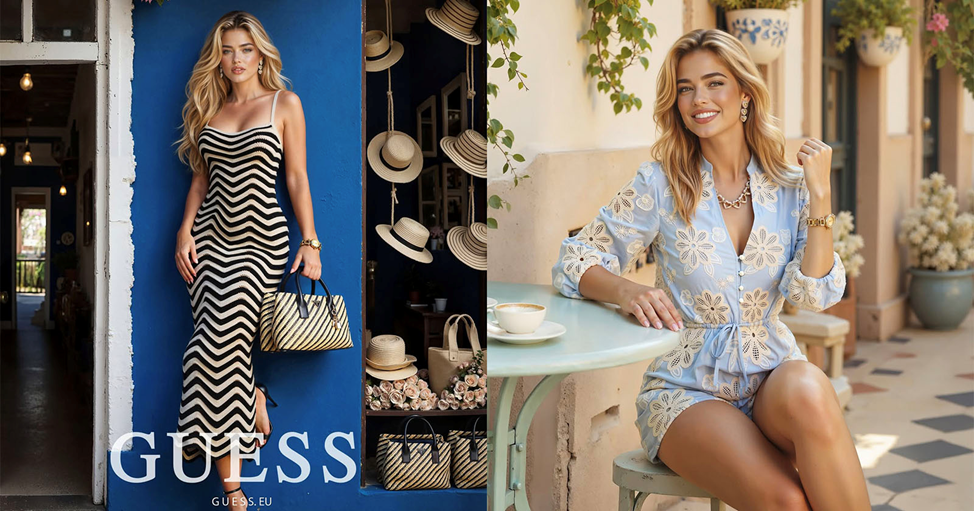
So, picture this: you open Instagram. There’s Vogue Singapore’s shiny May cover. But instead of a breathtaking photo of a real human radiating charisma in Levi’s 501s… you see them. Glossy, unnervingly perfect, slightly off models. Generated by an AI called Lalaland.ai. An AI ad.
The fashion world lost its collective mind. But honestly? This firestorm wasn’t really about the clothes, or even Vogue. It was a primal scream about something way bigger. About us. About what happens when the things that make us human – our faces, our creativity, our hard-won battles – get turned into disposable digital props.
Why This Felt Like a Gut Punch (Especially If You Create Stuff)
Imagine you’re a model. You’ve hustled for years. Faced endless “no’s,” dealt with crazy beauty standards, fought to see someone who looks like you in magazines. Finally, Vogue the absolute dream seems to celebrate diversity… by using an AI ad to fake your entire existence. Ouch.
Or you’re a photographer. Your life is chasing light, pulling emotion from a subject’s eyes, capturing a fleeting moment of magic. Then Vogue basically says, “Meh, we can just type ‘edgy denim shoot’ into a bot now.” Brutal.
That’s the real sting. It wasn’t just that the AI ad models looked like they stepped out of a slightly glitchy video game (though they kind a did). It was the message screaming from that glossy cover:
Your Life’s Work? We Can Replicate It for Pennies.” To every stylist, makeup artist, lighting tech, seamstress, set builder, retouches, and yes, the model breathing life into the clothes: this AI ad felt like a giant corporation saying your skills, your passion, your humanity were now just optional extras. Vogue, the temple of fashion photography, just endorsed replacing the orchestra with a MIDI file.
Your Fight for a Seat at the Table? We’ll Just Generate a Chair.” People have bled, sweat, and cried for real representation seeing actual diverse bodies, skin, hair, and stories celebrated. This AI ad felt like a cruel joke: “Look how diverse we can appear! (Just hit ‘generate’!)” It was diversity cosplay. Getting credit for “inclusion” without actually including, hiring, or paying anyone from those communities felt like a slap. It bypassed all the messy, necessary work of real change.
Why This Vogue AI Ad Hit a Nerve with EVERYONE (Seriously)
This wasn’t just fashion drama. It reverberated because it tapped into a deep, eating fear we’re all feeling now
1. “Am I Next on the Chopping Block?” If Vogue can exchange shutterbugs and models for an AI announcement, what about my job? Graphic developer? pen? Coder? Musician? schoolteacher? The intimidating question becomes What makes me irreplaceable? This was not abstract tech news; it was Vogue putting a flashing neon sign on the future of work.
2. “Can I Trust Anything I See Anymore?” We’re drowning in deep fakes, fake news, and synthetic influencers. Seeing Vogue, a cultural institution we kind of trusted, use an AI ad on its cover? It shattered a tiny piece of that trust. If we can’t believe the images in Vogue, what’s left? It feeds that constant low-level anxiety about what’s real.
3. “Who’s Getting Rich While I Get Scraped?” Those flawless fake models? They were built by feeding an AI millions of real people’s photos probably scraped from the internet without asking, paying, or crediting a single soul. Real faces, real features, mined like digital coal to build robots that might take their jobs. That feels like theft. And who profits? Not the people whose images were used.
4. “Does ‘Good Enough’ Rob Us of Magic?” Yeah, the jeans in the AI ad looked like jeans. The “models” were symmetrical. Technically fine. But did it have soul? The grit of a real photoshoot? The spark in a human eye? The messy, beautiful imperfection that makes art alive? For most people, it felt sterile. Generic. Like fast fashion for the eyes. It screamed what AI often misses: the human heartbeat behind creation.
Vogue & Levi’s Response: “Relax, Guys! It’s Just Tech!” (Cue Mass Eye-Rolling)
When the backlash hit hurricane force, I “augmenting” creativity and creating “more diversity.” Vogue Singapore called it an “experiment.” Lalaland.ai chirped about “inclusivity.”
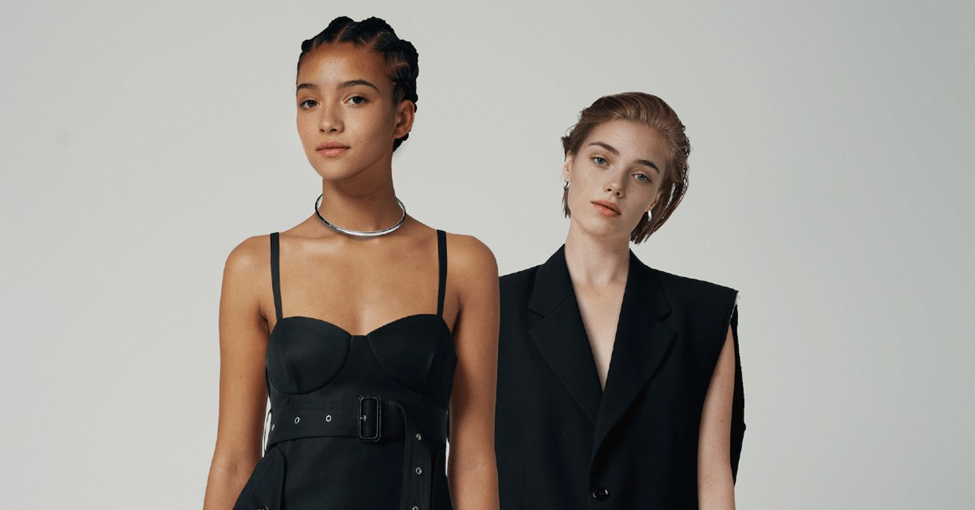
It landed like a lead balloon.
“Augmenting”? When the AI ad completely replaced humans on a VOGUE COVER? That’s not a helpful tool that’s a replacement.
“Experiment”? Tell that to the photographer sweating rent, or the model whose agency calls dried up. This felt like testing the waters for their obsolescence.
“Inclusivity”? Generated by a machine trained on the internet’s existing biases? That’s digital blackface. It’s pretending, not progress.
Their responses felt like corporate robots reading a script, completely missing the raw human fear and anger staring back at them.
So… What Do We DO? This Vogue Mess is Just the Tip of the Iceberg
This AI ad disaster isn’t over. It’s a massive, blaring alarm clock. It forces us to ask uncomfortable questions we can’t ignore:
How Do We Fight for mortal Hands (and Hearts)? How do we make sure artists, makers, players people are valued, defended, and paid fairly? Do we need unions for the AI age? Laws saying “mortal Made” markers count? How do we put rails on this tech before it steamrolls creativity?
How Do We Demand REAL People, Not Pixels? How do we stop companies from using AI as a cheap roadway to look woke while avoiding the factual work of hiring different gift, paying them fairly, and changing their company culture? How do we call out digital blackface?
How Do We Stay Stable in the Fake-Eschewal? How do we know what’s real? Should every AI announcement, every AI-generated image come with a giant flashing marker? How do we educate kiddies (and ourselves!) to spot the synthetic? How do we make trust when the ground keeps shifting?
Who Owns Our Faces, Our Art, Our Stuff? How do we stop big tech from vacuuming up our images, our jotting, our music to train their profit machines without authorization or payment? How do we take back control?
The rage over Vogue’s AI announcement wasn’t about fashion being elitist. It was humans pushing back. It was creatives yelling, “We aren’t algorithms!” It was people far and wide pining commodity real in a world filling up with satisfying fakes. It was a warning shot. The way we handle AI will not just change our jobs it’ll change what it means to be mortal.
Vogue dropped an AI ad. What they actually did was hold up a mirror. It showed us a future where human effort, human diversity, and human magic are optional. Cheap. Disposable.
We have to choose:
Do we want that future? Or do we fight for one where technology lifts humans up, instead of painting over us? The conversation is messy. It’s urgent. And it belongs to all of us. Let’s not let the bots have the last word.
About The Author


