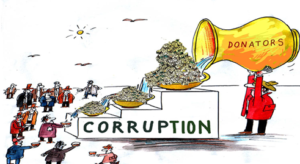
Justice for All? Why Elites Escape Trial While Ordinary People Don’t
People in any country have a lot of power. They could be renowned personalities, powerful politicians, business tycoons, military leaders, or other well-known people.

Why the Most Powerful People Never face trail
People in any country have a lot of power. They could be renowned personalities, powerful politicians, business tycoons, military leaders, or other well-known people. They can pass laws, run businesses, and change the lives of millions of people. But it looks like this is true in most places: people don’t often go to court when they are accused of doing anything wrong. Even if they do, it takes a long time, is uncomfortable, and usually helps them.
This will make a lot of people mad since they won’t understand it. People say that the law is fair to everyone. We learn that justice doesn’t care what you look like. But in real life, things can be very different. To figure out why the most powerful people don’t go to court very often, you need to learn about how power works, how laws are enforced, and how people who benefit from the legal system may make changes.
The Power Shield
One reason powerful people can get away with crimes is that they can change how the people who make decisions think. This can happen in a number of ways. They might be involved in politics themselves, have long-lasting business ties, or even have friends and family who are indirectly involved. When you can get judges, politicians, or prosecutors to do what you want, the law system starts to look more like a system of favours than a system of justice.
Most of the time, those in authority don’t even have to call or threaten someone. People that are close to them already know how important they are and do everything they can to keep them safe. They might not want to press charges since they know it could cost them their employment. People in charge can find it beneficial to know how judges read the law. The police might even consider they can’t arrest someone who could make a lot of noise in public.
You can’t see this web of influences, but it’s like a wall. It keeps the person who is being sued safe and prohibits the case from going to court.
Paying for the best protection
Money is also very important. It costs a lot of money to go to court for a long time with a lot of witnesses and charges that are hard to understand. People with a lot of money can hire the best lawyers, detectives, and public relations people because they usually have a lot of money.
These best law firms know how to find holes in the law, question evidence, and put off cases in court. They can take advantage of every loophole they find, file as many appeals as they like, and ask for reviews of the process. This method usually succeeds because the legal system is slow and hard to understand, not because the person being accused is innocent.
But not everyone can afford such a strong defence. They might have to employ a tiny, low-paid legal team or a public defender who is too busy to help them. People think that justice isn’t fair because the poor don’t have as many rights as the rich.
Protection against being accused of a crime and from threats to your political life
Some countries protect their politicians while they are in office. Most people use the word “immunity” to denote this The goal is to keep political foes from getting someone fired by making up bogus legal allegations against them. But in real life, people often utilise immunity to hide bad behaviour and abuse.
People can’t be charged with a crime if they think that leaders or high-ranking officials did something improper. They might be safe when they leave if their friends stay in charge. People in charge, including politicians, should be able to be affected.
Being scared of getting in trouble
Fear can sometimes keep powerful people from getting into trouble. Judges, the media, and prosecutors may be afraid of what would happen if they go after someone powerful. There are several ways to get back at someone, such hurting their career, taking their money, bothering them, or even putting their safety at risk.
This is especially true in situations where the regulations aren’t very rigorous and the institutions are all very much the same. particular people might think that it’s wrong to stand up to someone in power in particular situations. If you do this, you could break the law, get in trouble with politicians, or worse.
The Story of How Strong the Media Is
It’s very important to know what people think about putting powerful people on trial. When the public doesn’t like the defendant very much, it’s harder for the legal system to ignore the case. But the people in charge usually have the power to control how the media depicts their story.
They might change the news by hiring PR firms, owning media companies, or being good friends with reporters. They might hurt their critics without anyone knowing and make the press full of positive stories about how well they’re doing. People won’t support a trial if they think the charges are false or have a political agenda.
Settlements and Deals That Aren’t Talked About
A lot of powerful people want to stay out of court because they can work things out without going to court. In civil cases, they can pay the victims a lot of money to stay out of court. In a criminal case, they might be able to reach a deal that keeps the trial secret and lowers the penalties.
People don’t talk about these kinds of deals very often. People’s reputations take a hit, and the public never hears the whole story. They talk about the charges in private so that the court doesn’t find out about anything that could be humiliating.
It Takes Time for Justice
Even if the person is powerful, the legal process could take years. The person who is being accused has a lot of time to get ready. People lose interest, witnesses forget important details, and the evidence becomes harder to use. If there are “procedural errors” or “lack of evidence,” the lawsuit could be thrown out.
This slow pace is great if you can afford it. They can wait, pay their lawyers, and let the litigation go on until it goes away on its own.

What makes people tired of the public
Most of the time, the biggest news stories are about scandals that involve powerful people. People get angry, march, and ask for things to change. But in the end, something new and exciting comes along and takes over. people are making money off of how mad people are at the folks who are being charged. The government doesn’t have as much work to do now that people aren’t as angry.The people in charge know this. They make people wait so they can forget.
When They Go to Court
But people in charge don’t usually have to go to court. Politicians can’t ignore the problem when people are really angry, which is most of the time. People might not be as safe at times if the government changes leaders. In other cases, investigators who aren’t biassed find proof that can’t be questioned.
But the trial is usually a long battle, with both sides using all the tricks they know. You can often fight, lessen, or change a guilty verdict.
Will this ever be different?
Things need to change so that everyone can obtain a fair trial. It would be great if there were better protections for whistleblowers, independent media, and courts that genuinely are independent. Laws that limit how much money people can give to campaigns and shield politicians from lawsuits may make money and power less important and powerful.
People also need to know about it. The more people recognise how authority protects itself, the harder it is for the system to work without anyone knowing. People who know a lot can help those who are brave enough to speak out against wrongs, vote for accountability, and ask for changes.
Final thoughts
It’s a legal, social, and political issue because the people in charge don’t usually get in trouble. It shows how money can change the course of justice, how weak institutions are, and how unfair power is.
This could hurt people who aren’t very smart. History shows that even the most powerful people may be held accountable if enough people want things to change. Even if it takes time, work, and courage, it’s worth fighting for the idea that everyone is equal under the law.
You can get justice, but it can take some time. The most important thing is to keep listening, asking questions, and working towards a system where the law treats everyone equally, no matter how strong they are.
About The Author