Politics and Climate Change: Why Leaders Don’t Act
Things are changing in the world. The temperature is rising. The icebergs are melting. There are fires in the trees.
Politics and Climate Change
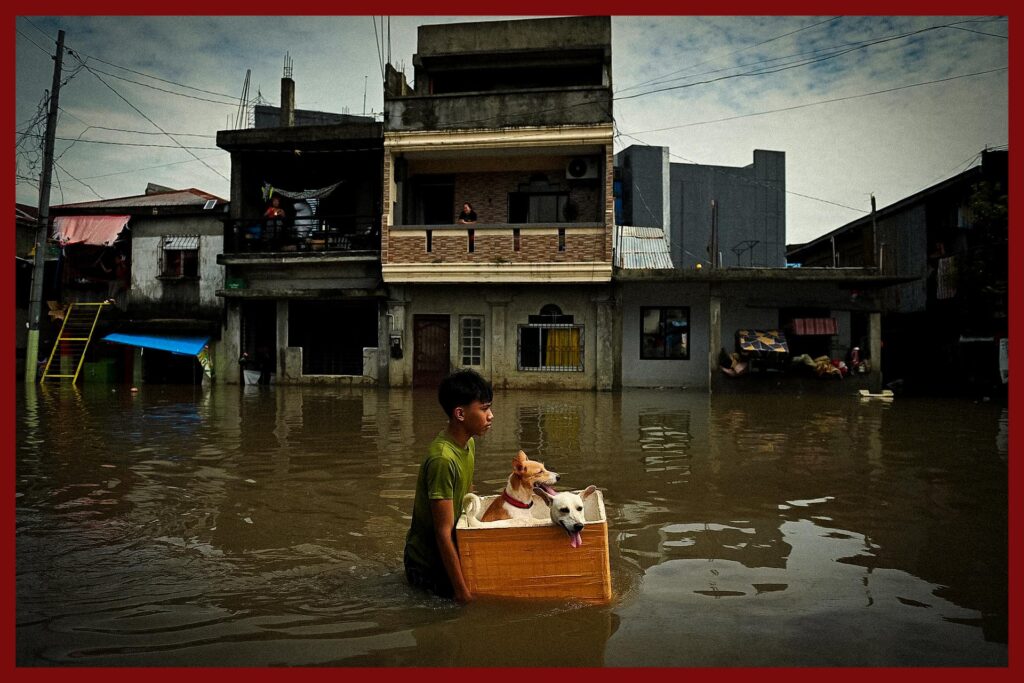
Things are changing in the world. The temperature is rising. The icebergs are melting. There are fires in the trees. More storms and floods happen now than ever. This problem is known as climate change.
For a long time, experts have been telling people about climate change. They say the world needs to take action. But world leaders often take their time. People make promises in meetings, but they don’t always do what they say they will do.
What’s going on? What might be the reasons for authorities delaying action on this critical issue?
This blog will explain the reasons in simple language. We’ll talk about how money, politics, and power are all connected to climate change. We will also discuss what this delay means for the future.
What is the weather like now?
Climate change occurs when the weather, temperature, and natural processes on Earth change over a lengthy period of time. There isn’t simply one scorching summer or one chilly winter. It has to do with the temperature going up all across the world.
- The world is growing warmer.
- The sea is getting higher.
- There are more floods, droughts, and storms.
These changes have an effect on both people and animals.
Most of these changes are caused by human activities. Factories, industries, autos, and aero planes all let off gases like carbon dioxide. These gases hold heat in the air. This is what happens in a greenhouse.
Why is climate change a political matter?
Scientists aren’t the only ones who care about climate change. Climate change is also a big concern in politics.
- Governments create rules about pollution.
- Governments decide how to make energy.
- Countries argue on who should cut down on pollution.
- Money, power, and how countries get along with each other are all very important.
These things make climate change a political issue. And politics can make things take longer.
Why leaders don’t do anything about climate change right now
Let’s look at the key reasons why leaders all around the world are putting off doing something.
1. Economic Interests
Many large companies profit from engaging in activities that damage the environment. Some examples are:
Companies that work in the oil and gas business are great examples.
These include businesses that mine coal.
There are also companies that work with cars and other forms of transportation. Also included are large-scale farming and raising animals. It also covers growing crops and keeping animals.
These businesses make money and hire people. Strong climate policies could potentially reduce business profits. People might not work anymore. Leaders are scared of losing money.
Instead of doing anything strong, leaders often shield these companies. They pushed off big adjustments to keep the economy stable.
2. Politics in the Short Term
Many politicians only think about the present. They want to win the election next time. Climate change, on the other hand, is a problem that will continue for a long time.
It can take a long time to see results from lowering emissions.
Voters don’t want promises for the long run; they want things to become better soon.
Politicians prefer programmed that help people right away.
This is why leaders choose short-term popularity over long-term survival.
3. Pressure from Powerful Lobby Groups
In many nations, big firms and commercial groupings spend money influencing politics. These groups are termed lobbyists.
- Businesses that sell oil spend billions on advertising.
- Some lobbying groups finance campaigns for political office.
- They got people to doubt climate science.
- These groups pressured leaders to delay the implementation of strong climate regulations.
4. Countries don’t agree with each other
Climate change is a problem for the whole world. All countries need to work together. But disputes make things take longer.
- Wealthy countries blame poor countries for cutting down trees.
- Poor nations assert that affluent nations consume excessive resources.
- Countries argue about who should pay for the damage that climate change causes.
This is why the UN climate summits end with promises but not much action.
5. Fear of Public Outcry
Raising the price of gasoline, banning old automobiles, or shutting down factories that pollute the air are all ways to fight climate change. These things can make life challenging and expensive for average people.
Leaders are terrified of protests and people getting frustrated. For example:
When petrol prices go up, people walk out on the street to protest.
When manufacturers close, workers lose their jobs and blame the government.
Leaders pushed off tough climate policies so that people wouldn’t become upset.
6. Not enough political will
Some leaders are just too scared. They know that climate change is happening. But they don’t want to have to choose between difficult things.
- They prefer it when things are straightforward.
- They are afraid of making their friends angry.
- They held off picking the next leader.
- One of the main reasons for the delay is that people are unwilling to take on the tasks.
7. The Impact of Climate Sceptics
Some nations do not believe in climate change or are skeptical about it. Although there are not many climate sceptics, this small group is influential and spreads misinformation.
People don’t cause climate change; it’s a natural process, they argue.
They claim that science does not provide definitive answers.
They use the media to confuse people.
Leaders use this uncertainty as an excuse not to do anything.
8. Consider other problems
Often, leaders must address multiple significant issues simultaneously. Wars, economic issues, pandemics, and poverty get more attention at times.
This makes climate change less important. Leaders say, “We’ll take care of it later,” but they never do.
What happens when you wait
It costs more when leaders put off taking action. Climate change doesn’t wait for politics to catch up. It continues getting bigger.
- Longer heatwaves kill more people and animals.
- Floods and droughts can kill farmers’ crops.
- In cities along the shore, the sea levels are rising.
- Weather changes cause infections to spread more quickly.
The longer you wait to do something, the harder and more expensive it will be to fix the problem.
Examples of Delay in Real Life
Example 1: After promises, emissions go up
Many countries signed the Paris Agreement in 2015. They promised to cut down on emissions. But emissions kept going up all around the world after that.
Example 2: Fires in the wild and a slow response
In places like Australia and the US, wildfires burnt down huge areas. But governments nevertheless let new oil drilling and coal mines go ahead.
Example 3: Countries with little money waiting for it
Rich countries often offer climate money to poor countries, but they don’t always get it. The money that was promised, on the other hand, often comes late or not at all. This makes climate efforts in areas that are at risk take longer.
- Why Some Leaders Keep Doing Things
- Some leaders don’t put things off. Some countries do a lot:
- Scandinavian countries invest on renewable energy.
- Costa Rica gets most of its electricity from clean sources.
- Small island nations make their voices heard at international events.
These examples show that you can do something. But there still aren’t enough of them around the world.
What Can Be Done?
What can move things along if leaders put them off?
People need to put pressure on the government to take action. Protests, campaigns, and voting can make leaders do something.
Youth Movements: Greta Thunberg and other young people have already revolutionized how politics works in many parts of the world.
Collaborating Globally: Instead of blaming each other, countries must begin to collaborate.
Innovation and Technology: Solar, wind, and electric cars are examples of clean energy sources that should be cheaper.
People need to know how bad climate change truly is.

The Future of Climate Politics
What we choose to do now will affect the future. If leaders keep putting things off:
The temperatures could get too high.
Millions of people could lose their houses because of floods and droughts.
People may battle more over water and other resources.
But if something is done, renewable energy can make the air and water cleaner and create jobs.
The following generations will live on a safer planet.
The leaders and people of today will decide.
Conclusion
Climate change is one of the greatest problems we have right now. Science is plain. The danger is genuine. But politics stops things from getting better. Leaders put off doing things because they are afraid of losing support, money, short-term aims, and fights with other countries.
But waiting costs money. Things will become worse the longer the world waits. Doing little things isn’t enough anymore. We need to choose wisely.
Leaders need to understand that climate change isn’t concerned about politics. The earth’s temperature keeps going up. The poorest and weakest individuals often bear the brunt of the effects. up to daring people. People can still stop the worst things from happening if leaders act now. However, if leaders do not take action, the next generation will face significant consequences.
About The Author