Politics and globalization:
The world is becoming one large community because of globalization. There are still borders, but they don’t matter as much for trade, communication, and politics.
How big countries affect small ones
Introduction
We live in today’s world, where no one lives alone. Trade, politics, and technology connect all countries together. This phenomenon is called Globalization.
But not everyone benefits from globalization. Larger and more powerful countries have more power, while smaller ones often have a challenging time staying independent. In this article, we will discuss how globalization affects politics and how powerful countries affect smaller ones in real life.
What is globalization?
The world is becoming one large community because of globalization. There are still borders, but they don’t matter as much for trade, communication, and politics.
Things move quickly from one country to another.
Technology links people in a matter of seconds.
Within minutes, news spreads around the world.
Businesses work all over the world.
Globalization has been around for hundreds of years, but it has grown faster than ever over the last 50 years.
Politics and Globalization
Politics is about how power is used. Globalization has had a big effect on politics.
Decisions are no longer just made in one place.
Big countries make rules about trade and safety.
Small countries need global systems to stay alive.
This is why politics and globalization have always been linked.
How the world’s powerful countries influence small countries:
Trade, markets, economic Pressure and banks are all under the control of big powers. They can make it challenging for small countries to do business:
Loans with strict rules.
Calls to open up markets.
Managing natural resources.
This makes people dependent on each other for money. For their safety, smaller countries often have to follow the lead of bigger ones.
2. The military’s influence
Military power is also used by world powers to control smaller countries.
Foreign militaries have bases nearby.
Alliances like NATO make people more dependent.
Small countries fight wars to safeguard the interests of big powers.
This makes it harder for smaller countries to be independent in their military.
3. Interference in politics
Strong countries often become involved in the politics of weaker ones.
Some examples include supporting or opposing political leaders.
Paying for election campaigns.
Diplomatic pressure is employed to ensure the passage of policies.
This can make it harder for small countries to have political freedom.

4. Impact of culture
Globalization also spreads cultures around the world. People in smaller countries are influenced by films, media, and music from bigger ones.
Some effects are:
The weakening of local customs.
There is a growing appreciation for the systems of other nations.
Political views influenced by international media.
This is called “soft power”, and it works really well.
5. Control of Technology and Information
Large countries own the biggest tech companies and social media sites. This gives them the power to control information.
You can filter or censor information.
Smaller countries often depend on technology provided by larger nations.
People often use digital surveillance.
One of the most powerful political tools today is this invisible control.
Actual Instances: African and Asian Countries Reliant on Assistance
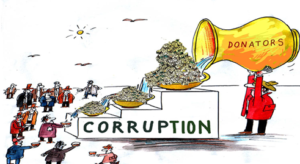
Many small countries rely on loans or help from international organizations. However, the conditions attached to aid frequently alter local policies.
Politics in the Middle East and oil
Countries with oil reserves often have to confront foreign interference, military bases, and wars. Foreign interests affect their politics.

Climate Change and Island Nations
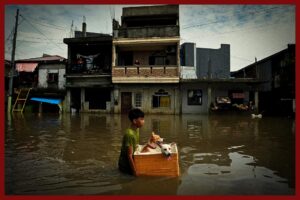
The seas are rising, and this hurts small island nations. Usually, the rising sea levels are caused by industrial powers. But they don’t have much say in how the world works.
Advantages of Globalization for Small Countries
Even though there are problems, globalization has its benefits:
Globalization offers increased opportunities for trade.
Getting new technology.
Globalization has led to an increase in tourism and cultural exchange.
Assistance from other nations during difficult times is crucial.
Issues of Globalization for Small Countries
The cons usually outweigh the pros:
Loss of freedom.
Pressure from the economy.
Interference from politics.
Weak voice in global discussions.
Using resources in a bad way.
Why Small Nations Have Trouble
Few resources.
Small nations depend heavily on international commerce for their survival.
Location between powerful countries.
Corruption within and weak governments.
The Future of Globalization and Small Countries
The future hinges on critical enquiries:
Will small countries come together to protect their rights?
Will international groups be fairer?
Will the big powers treat the small states with respect?
Some experts think that small countries need to work together in regional groups. They can become less dependent on each other and stronger by working together.
How small countries can keep themselves safe
Make institutions strong and clear.
Make the economy more diverse.
Put money into technology and education.
Work together more with countries next door.
Keep cultural identity safe.
Final Thoughts
Politics will never be the same because of globalization. The economy, military, culture, and technology of world powers have an effect on smaller countries. Their influence presents small countries with both chances and dangers.
The hardest part is managing a balance. Small countries need to stay independent while still being able to connect with the rest of the world. You can’t pause globalization, but you can make it work effectively.
The future will depend on whether small countries stay strong and independent or become active players in world politics.
About The Author