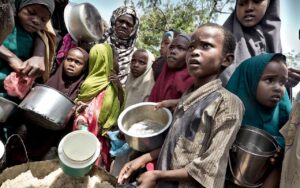
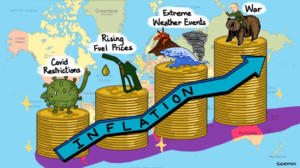
This Is How Global Warming Will Affect the Water and Food You Get.
hink about waking up one day and not being able to find your favorite fruits at the store.

Think about waking up one day and not being able to find your favorite fruits at the store. Grains and bread now cost twice as much. The water that comes out of your faucet tastes weird, or it could not even work.
This isn’t a scene from a movie about a disaster. If we don’t do something now, this is what global warming could do to your food and water.
It’s not simply that summers are growing hotter or that ice is melting in faraway regions. It all depends on what you can afford and what you eat and drink. Let’s take a break to discover how this works and why we should all care.
What does it mean for the Earth to get warmer?
The Earth is getting hotter over time because to global warming. This happens because gases like methane and carbon dioxide hold heat in the air. We let these gases out every day as we drive cars, run companies, cut down trees, and make electricity from coal and oil.
The weather changes when the Earth grows hotter. Floods, droughts, heat waves, and storms happen more often. This weather that keeps changing harms agriculture and water systems, which we need for breakfast, lunch, and dinner.
How Global Warming Could Affect the Food Supply
1. Crops have a hard time growing
Every day, billions of people eat corn, rice, and wheat. When the weather stays the same, these plants do nicely. But when it becomes hot, they dry up too quickly or are ruined by storms that come out of nowhere.
In 2022, some sections of India had record-breaking heat waves. The wheat harvests dried up before they could be picked. Prices went risen, and exports stopped to keep the local supply safe.
2. Your meals might not have as many vitamins and minerals.
Crops could not be as healthy even if they do grow. Researchers have shown that rice grown in locations with more carbon dioxide has less iron, protein, and zinc. This indicates that you wouldn’t get as many nutrients even if you ate the same amount. This could cause health concerns like anemia and a weak immune system over time.
3. Prices are rising everywhere
Prices go rise when there isn’t as much food. We’ve been through this before. Prices for fruits and vegetables went way up during the drought in California. In some places, the price of basic foods like bread went up by 100%, which made it hard for people with low incomes to get enough to eat.
4. The seasons of growth are shorter.
The seasons are changing in some areas. The summers are hotter, the winters are shorter, and the rain doesn’t always fall when you think it will. Farmers can’t choose or plant when they want to. If they make a mistake, the crops will die.
5. Animals and dairy are under danger.
Not just plants. Not just people have a hard time in the heat. During heat waves, animals perish, cows generate less milk, and birds lay fewer eggs. This means that stores will have less meat, milk, and eggs, and prices will go up.
How Global Warming Could Affect the Water Supply
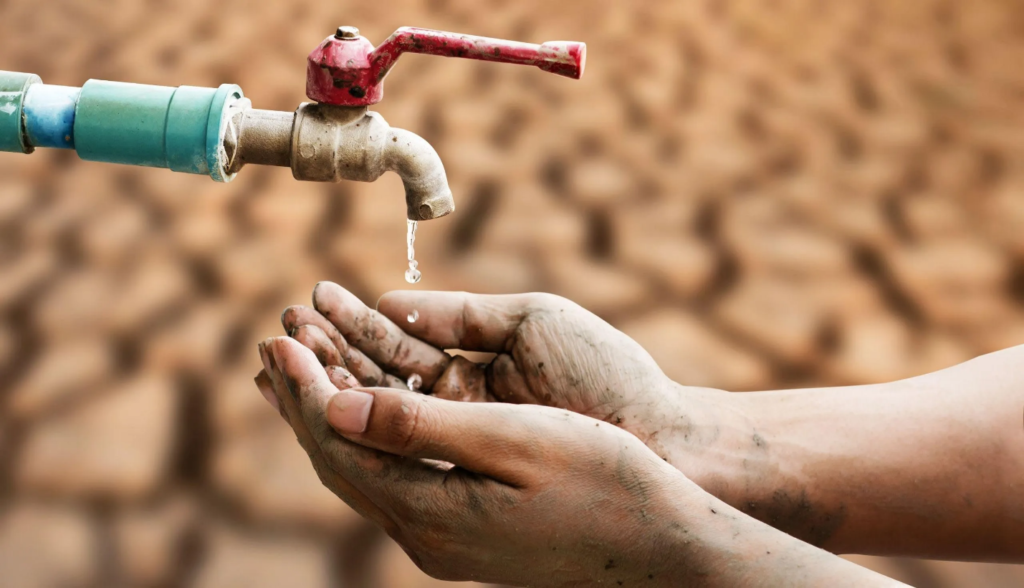
1. There are more and more dry spells.
Water evaporates faster when the temperature goes up. Some locations have protracted dry spells when lakes and rivers get smaller. People have problems drinking, cooking, and cleaning when there isn’t any water.
In 2018, people in Cape Town, South Africa, were afraid of “Day Zero,” the day the city would run out of water. People stood in line for hours to get modest amounts. This could happen in more regions if global warming keeps going.
2. The glaciers are melting
There are a lot of rivers that start as ice in the highlands. These glaciers melt too quickly because the world is getting warmer. At first, this leads to flooding. After the ice melts, the river dries up. The glaciers in the Himalayas are getting smaller, and millions of people throughout Asia depend them for water.
3. Water that isn’t safe to consume
Bacteria that are unhealthy for you thrive better when the water is hot. When it floods, unclean water might get into drinking water. This spreads diseases like cholera and diarrhea, especially in poor communities.
4. Wars over water
People fight for water when it is hard to find. There can be fights between farmers, cities, and even whole countries. This causes problems in politics and, in some circumstances, bloodshed.
The Risky Chain Reaction
Food and water are linked. You need water to take care of animals and vegetation. Food production goes down when there isn’t enough water. People grow hungry when there isn’t enough food.
Prices go rise when there isn’t enough food and water. Families have a hard time, and some people have to leave their homes to stay alive. It’s not just about nature; it’s also about saving lives.
Stories from all across the world that are real
Kenya Farmers have lost livestock and crops because it hasn’t rained in years. Instead of going to school, kids trek a few miles to get water.
California: Long periods of drought have made it harder to grow fruits and vegetables. It’s getting more expensive for everyone to buy groceries.
In Bangladesh, floods have ruined rice farms and made the water dirty. Every year, families rebuild, but they always lose everything again.
What can you do?
Global warming is a big concern, but we can all do something to help stop it.
1. Conserve Water
When you wash or cook, don’t waste water. Fix leaking faucets and get appliances that use less water.
2. Support farming that is good for the environment
Buy from farmers who care about the health of the soil and water. You may often find these at local markets.
3. Have more meals that are mostly made up of vegetables.
It takes a lot of water and energy to make meat. Making simple changes to your diet can assist.
4. Don’t throw away as much food
Plan your meals, store food correctly, and eat what you have left over. You also squander the water and energy that went into making food when you throw it away.
5. Work for change
Support policies that focus on renewable energy, fighting climate change, and farming in a way that doesn’t hurt the environment. Talk about it in your community and online.
Why You Should Do Something Right Now
The difficulties with food and water that global warming is causing are already unfolding. The more we put off doing something, the harder it will be to fix the harm.
We can save agriculture and water supplies and make sure that future generations have enough to eat and drink if we start today. We could end up in a world where only the richest individuals can buy food and clean water if we wait.
Last Thoughts
Not only does global warming hurt the ecosystem. It’s about the plate and glass you have. If we don’t do something about climate change, the food you eat, the milk you drink, and the water you drink could all be in jeopardy.
The good news is that we can still change our minds if we want to. But that period is almost over. We will have a better chance of keeping our food and water safe if we all work together to save water, cut down on waste, and support long-term solutions.
What you do now will determine whether your kids live in a world of plenty or not. Let’s pick abundance.
About The Author