UK Prime Minister Keir Starmer Resigns Full Reasons Behind the Shock Exit in 2026
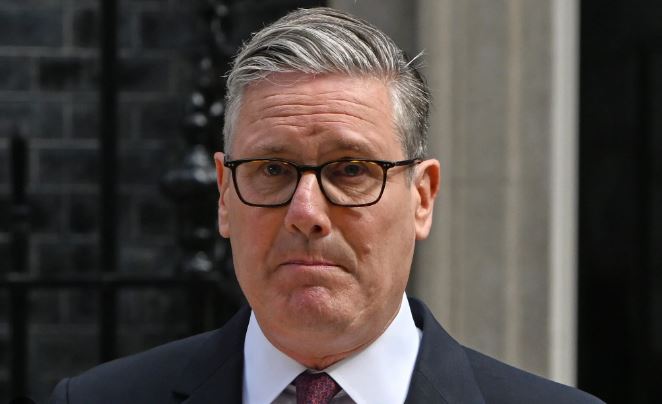
UK Prime Minister Keir Starmer resigns
UK Prime Minister Keir Starmer resigns on June 22, 2026. Here’s the full breakdown of why he stepped down the real reasons, the timeline, and what comes next.
I remember watching the 2024 UK election results come in Labour’s landslide was historic, and Keir Starmer walking through the door of 10 Downing Street felt like a genuine turning point for British politics. Fourteen years of Conservative rule was over. The mood was cautiously optimistic.
Two years later, that same man stood outside that same black door and announced he was done.
If you’re trying to make sense of what happened why UK Prime Minister Keir Starmer resigned so suddenly, and what actually brought him down here’s the full picture, with no spin.
Why Did Keir Starmer Resign? The Short Answer
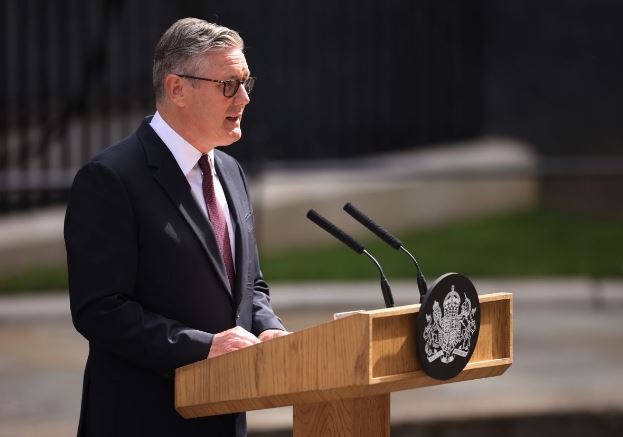
On the morning of June 22, 2026, Starmer stepped outside 10 Downing Street and confirmed what had been widely expected since the weekend: he was resigning as Labour Party leader and Prime Minister. He said he would stay on as caretaker PM until a new leader was chosen.
His own words said it best: “The question my party is asking now is whether I am best placed to lead us into the next general election. I have heard the answer of my parliamentary party to that question, and I accept that answer with good grace.”
That’s a very composed way of saying: my own MPs no longer believe in me.
The Collapse Didn’t Happen Overnight
This wasn’t a sudden implosion. The warning signs were there for months and honestly, for anyone following British politics closely, the trajectory was uncomfortable to watch.
By the end of 2025, polls had Starmer as one of the most unpopular prime ministers in modern British history. One YouGov survey by January 2026 showed 75% of people held an unfavourable view of him a net favourability rating of -57, only matched previously by Liz Truss, who lasted 45 days in office.
The economy didn’t bounce back the way Labour had promised. Public services remained strained. And the “change” that voters had been promised after 14 years of Conservative governance felt distant at best.
The Local Election Disaster
The clearest signal came in May 2026. Labour lost more than 1,100 council seats across England in local elections. Reform UK Nigel Farage’s anti-immigration party picked up over 1,450 seats. The Green Party also surged.
Those results were devastating. Within days, more than 80 Labour MPs had written to Starmer calling on him to resign or at least set out a timetable for leaving. That number eventually climbed past 95.
It wasn’t just backbenchers either. Senior cabinet figures began to peel away.
Key Resignations That Accelerated the Crisis
When cabinet ministers start walking out, that’s usually the point of no return.
Wes Streeting, the Health Secretary, resigned in May 2026 and was pointed about why. In his resignation letter, he said he had lost confidence in Starmer and that staying in cabinet would be “dishonourable and unprincipled.” That came from someone who had been seen as a loyal ally.
John Healey, the Defence Secretary, followed in June citing disagreements over the government’s defence spending plans. He argued the Treasury’s investment was insufficient to keep Britain secure. Two other Defence Ministry figures resigned with him.
In total, 20 ministers resigned during Starmer’s tenure. That statistic alone tells you a lot.
The Peter Mandelson Problem
One scandal that lingered and damaged Starmer’s credibility significantly was the appointment of Peter Mandelson as UK Ambassador to the United States in late 2024.
When the Epstein files were released in September 2025, Mandelson’s connections to convicted sex offender Jeffrey Epstein became front-page news. Starmer fired him and said he regretted the appointment. But the damage stuck it raised questions about judgment and vetting at the very top.
His own Chief of Staff, Morgan McSweeney, resigned in February 2026 after taking responsibility for recommending the Mandelson appointment.
Andy Burnham: The Final Push
The moment that made Starmer’s position truly untenable was Andy Burnham’s parliamentary by-election win on June 18, 2026.
Burnham widely known as the “King of the North” after nearly a decade as Mayor of Greater Manchester had never made a secret of his ambitions. He resigned from his mayoral role, helped create a vacancy in the Makerfield constituency (where Josh Simons stepped down to make way), and won the resulting by-election with nearly 55% of the vote.
By winning a parliamentary seat, Burnham had cleared the key legal hurdle to becoming Prime Minister. Labour MPs began openly backing him. Even Wes Streeting, who had his own leadership ambitions, threw his support behind Burnham on June 22 the same morning Starmer resigned.
After a weekend of private consultations with senior ministers, advisors, party donors, and union leaders, Starmer concluded his position was no longer tenable.
What the Critics Said
The criticism came from both sides of Labour’s internal divide.
From the left: anger over Starmer’s stance on Gaza, his welfare reform agenda, his refusal to introduce a wealth tax, and what many felt was an abandonment of progressive values.
From the right of the party: frustration with the immigration response, handling of the economy, and the perception that Labour had failed to draw a clear contrast with the Conservatives or Reform UK.
Being squeezed from both ends at once is politically lethal and that’s precisely what happened.
What Comes Next
Starmer remains caretaker Prime Minister while Labour conducts a leadership contest. Andy Burnham is the frontrunner, though other names including David Lammy, Angela Rayner, Shabana Mahmood, and Ed Miliband have been floated as potential candidates.
Whether Burnham gets a coronation or faces a proper contest remains to be seen. But he enters as the heavy favourite.
A Broader Pattern Worth Noting
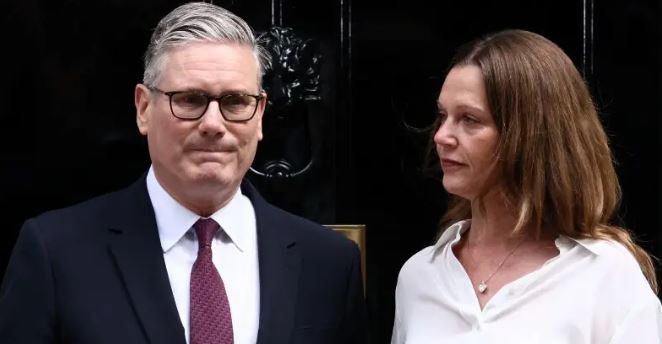
Keir Starmer became the sixth Prime Minister in a decade to leave office prematurely. That’s not a coincidence it reflects a deeper instability in British politics that predates any individual leader.
As some analysts have pointed out, Labour’s 2024 “landslide” was actually built on just 34% of the popular vote the lowest share for any majority government on record. The coalition that brought Starmer to power was fragile from day one.
The issues Brexit’s legacy, the cost-of-living crisis, declining public trust in institutions, the rise of Reform UK and the Greens didn’t disappear when Labour won. They just became Labour’s problem to solve.
And solving them, it turned out, was harder than winning on a wave of anti-Conservative sentiment.
Starmer’s story isn’t one of corruption or personal scandal. It’s the story of a leader who won power on a promise of stability and change, then struggled to deliver either in an environment that may simply not allow for long political tenures anymore.
Whether Burnham or whoever follows will fare better is the question British voters will be watching very closely.
Read More : Caribbean Resort Fire: Deadly Blaze Destroys Popular Vacation Spot, 1,700 Evacuated

C0-Founder and Editor
Tazeen and Arzoo are the Co-Founders and Editors of THE NEWSTER. They specialize in covering world news, technology, weather, business, and trending stories. Their mission is to deliver accurate, timely, and well-researched journalism while making complex topics clear, reliable, and easy for readers to understand.
About The Author