When Google Maps Leads Family to Militants: The Karachi Ambush That Killed a Father in Front of His Daughters
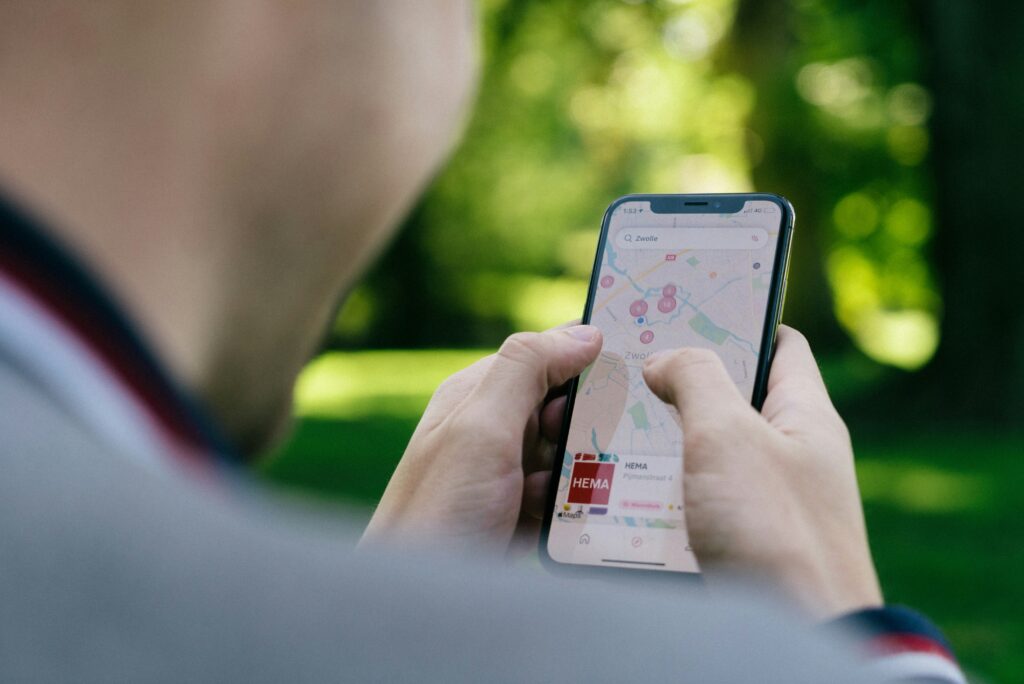
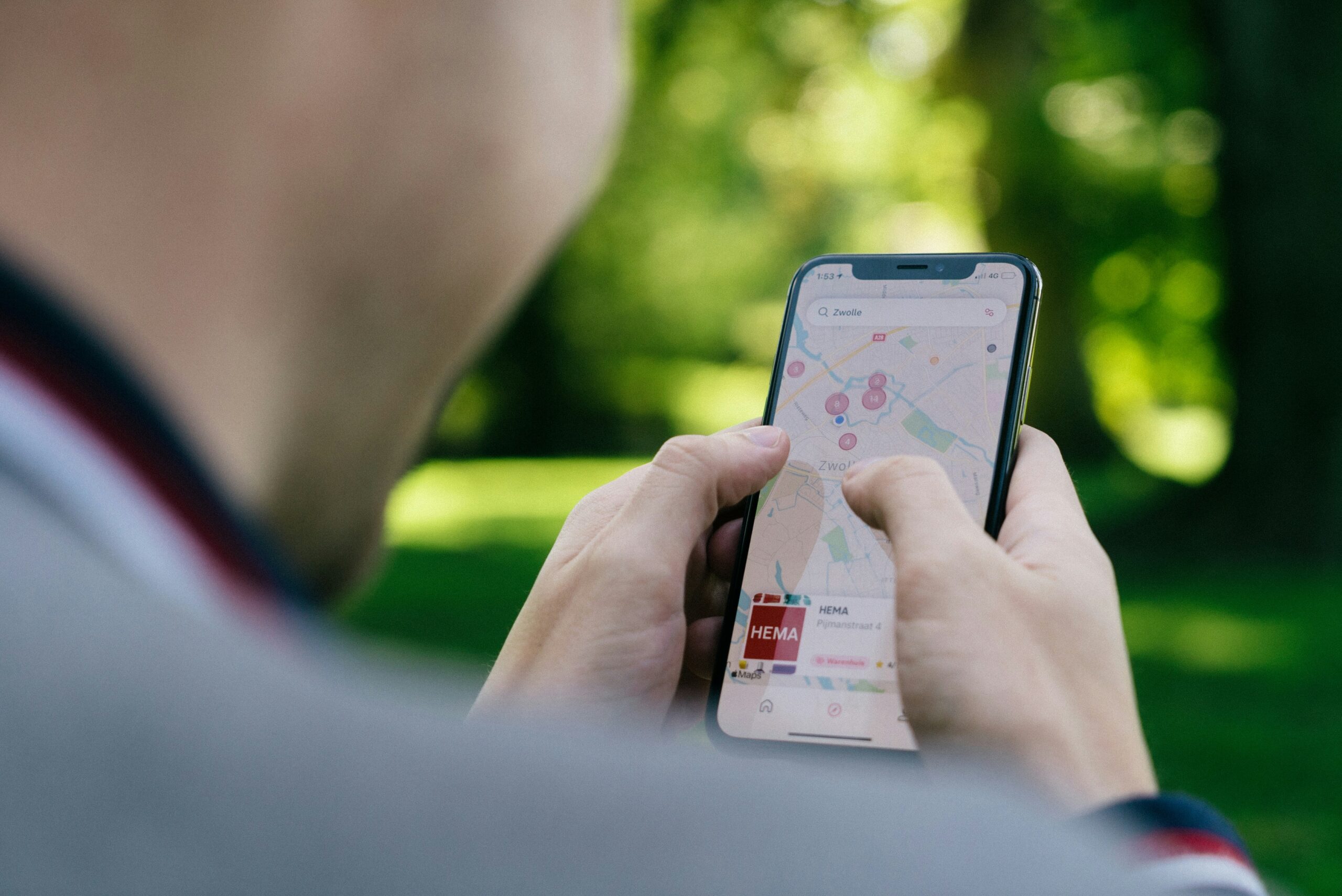
Google Maps Leads Family to Militants
A tragic Karachi incident has drawn attention after Google Maps Leads Family to Militants, ending with a father being killed in front of his daughters.
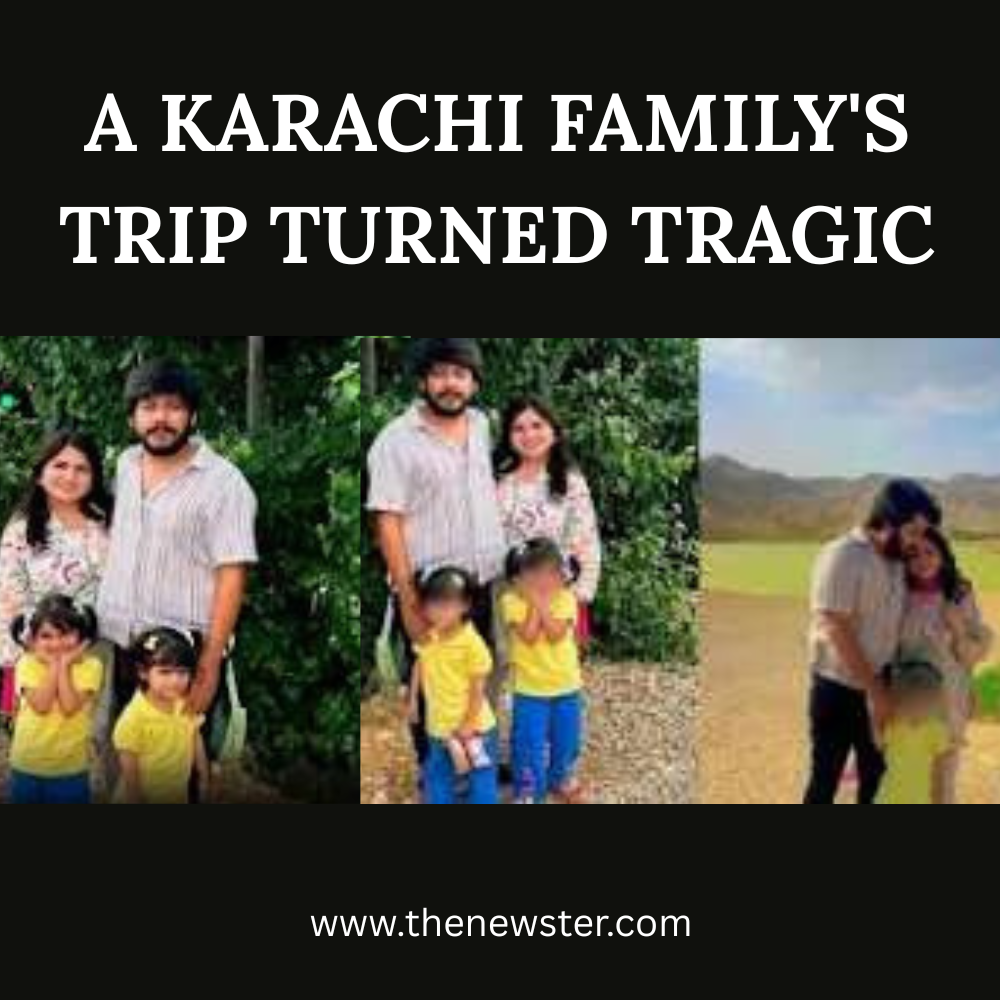
My cousin called me the morning after the news broke. He was shaking. “I use Google Maps every single road trip,” he said. “Every single one.” That’s exactly how I felt when I read about Ali Jameel a Karachi mobile phone trader, a father, a husband who trusted a navigation app on the way home from Quetta, and never made it back alive.
This isn’t a story about technology failing. It’s about what happens when Google Maps leads a family to militants in one of Pakistan’s most dangerous districts, and nobody warned them.
How Google Maps Led This Family to Militants on a Friday Night
Ali Jameel had taken his wife and two young daughters to Quetta a routine family trip. On the way back, somewhere along the road, their navigation app rerouted them off the National Highway and into the Kand area of Dasht, deep in Kech district, Balochistan.
That region is not a shortcut. It’s not a scenic detour. It’s an area where armed groups operate, where the state has struggled to maintain a consistent presence, and where unknown gunmen are known to intercept vehicles.
When unidentified men signalled Ali to stop his car, he didn’t comply. He likely thought what any of us would I’ll just drive through. They opened fire. He was killed on the spot. His wife was critically wounded. His two daughters, sitting in the back seat, watched it happen and survived.
The funeral was held at Rehmania Mosque on Tariq Road, Karachi, on Sunday. His fellow traders from the Karachi Mobile and Electronics Dealers Association came in large numbers to say goodbye to a man who had simply trusted his phone to get him home.
Why Google Maps Leads Families to Militants And Doesn’t Know It
Here’s what a lot of people don’t realise: Google Maps optimises for speed and distance, not safety. It doesn’t know that a road passes through a militancy-affected zone. It doesn’t factor in that a certain district has an active police advisory. It doesn’t flag that the shortcut it’s suggesting runs through an area with no phone signal, no security presence, and no help if something goes wrong.
Google Maps has had similar disasters globally. In 2023, a car in India plunged off an incomplete bridge because Maps directed it down an under-construction road. In remote areas of Pakistan, the same logic applies the app sees a road (or even a dirt track) and recommends it without any context about what’s on the ground.
In Balochistan specifically, there are stretches where the road exists on a satellite image but hasn’t been properly surveyed, patrolled, or even used regularly by locals. The app can’t tell the difference between a functioning highway and a track through hostile territory.
Before Google Maps Leads Your Family to Militants: Safety Rules for Pakistan Road Trips
This isn’t about abandoning technology. It’s about layering it with common sense. Here’s what I’d tell anyone planning a road trip through these regions:
1. Cross-check your route with locals before you leave.
Call someone who lives in or has recently driven through that area. Ask specifically: “Is this route safe right now?” WhatsApp groups for travellers and local news pages are surprisingly useful for this.
2. Stick to the National Highway, always.
The Makran Coastal Highway, the RCD Highway, the Indus Highway these are patrolled, known, and relatively safer. The moment Google Maps tells you to veer off onto a secondary road in Balochistan, question it hard.
3. Don’t drive at night through unfamiliar areas.
Ali Jameel’s family was travelling on a Friday night. Night travel in remote Balochistan dramatically raises the risk of being intercepted and reduces your visibility and options.
4. Use Google Maps alongside Pakistan-specific resources.
Check the Balochistan police’s travel advisories. The PTDC (Pakistan Tourism Development Corporation) sometimes issues route updates. News sources like Dawn and Geo often report on security conditions in specific districts.
5. Let someone track your journey live.
Google Maps has a “Share location” feature. Use it. Share your trip with a family member so someone always knows where you are in real time.
6. If someone signals you to stop on an unfamiliar road don’t.
This is a harder conversation, but it’s the reality in certain parts of the country. Drive towards the nearest police checkpoint or populated area. Call 15 while moving if you can.
Google Maps Leads Family to Militants But the State Failed Them First
PTI’s Sindh president, Haleem Adil Sheikh, said it well when he visited the family: the state has a responsibility to ensure citizens are safe within their own country. A wrong turn should not be a death sentence.
And he’s right. But while we wait for that responsibility to be fulfilled and it is a legitimate demand families are getting in cars and trusting a blue line on a screen.
The Karachi Mobile and Electronics Dealers Association has demanded the immediate arrest of the killers. Politicians have condemned the attack. Statements have been made.
Ali Jameel is still gone.
What to Do So Google Maps Never Leads Your Family to Militants
I don’t say this to create panic. Millions of people drive through Balochistan every year without incident. The Quetta-Karachi route, when done correctly on the main highway, is used daily by families, truckers, and traders.
The lesson isn’t don’t travel. The lesson is don’t outsource your route planning entirely to an algorithm that has never driven that road, spoken to anyone who lives there, or read a single security advisory.
Google Maps is a tool. A genuinely useful one most of the time. But like any tool, you have to understand its limits before you trust it with something as precious as your family’s safety.
Ali Jameel’s daughters are alive. His wife is recovering. His community is grieving. And the rest of us need to take this seriously enough to actually change how we plan our road trips.
Check the route. Call ahead. Tell someone where you’re going. And when an app tells you to turn off the highway into the unknown pause, question, and think twice.
That’s not tech-phobia. That’s just being a responsible parent, spouse, and traveller in a country where the terrain and the risks can change in a single wrong turn.
Read More: Ketan Agarwal Murder Case: The Chilling Truth Behind the Lohagad Fort “Accident”

C0-Founder and Editor
Tazeen and Arzoo are the Co-Founders and Editors of THE NEWSTER. They specialize in covering world news, technology, weather, business, and trending stories. Their mission is to deliver accurate, timely, and well-researched journalism while making complex topics clear, reliable, and easy for readers to understand.
About The Author