Iran War and Global Fuel Crisis 2026: Why Oil Prices Could Surge
Iran War and Global Fuel Crisis 2026
Iran War and Global Fuel Crisis 2026 explained simply why oil market disruption keeps pushing petroleum prices up and what it means for your gas bill.
How the Conflict Could Disrupt Energy Supplies and Push Oil Prices Higher
I filled up my car back in March and paid almost 30% more than I did in January. I remember standing at the pump, staring at the total, thinking “did I read that wrong?” I hadn’t. That was the week the Iran war and global fuel crisis 2026 stopped being a headline and started being a line item in my budget.
If you’ve felt the same gut-punch at the gas station this year, you’re not imagining it. This isn’t your average “oil prices went up a little” story. This is the biggest hit to global energy markets in a generation, and it’s still not fully over.
Let me walk you through what’s actually happening, why it happened, and what it means for your wallet no jargon, just the real picture.
What Actually Kicked Off the Global Fuel Crisis
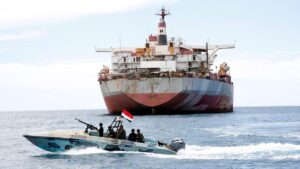
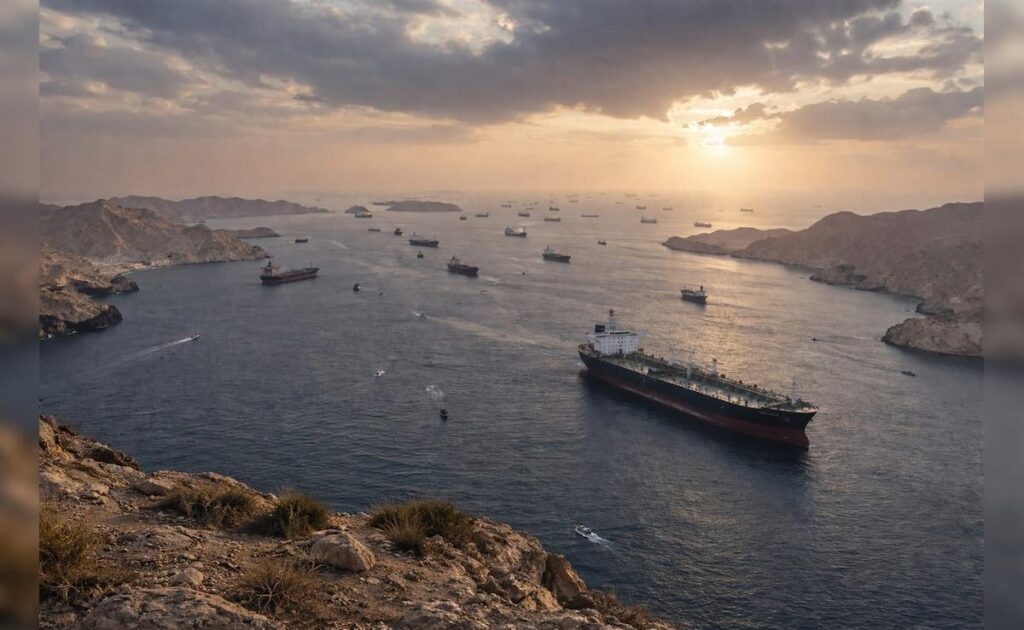
Since late February 2026, the conflict between the US-Israeli coalition and Iran has done something oil traders had feared for decades: it choked off the Strait of Hormuz. This narrow stretch of water between Iran and Oman normally carries about a fifth of the entire world’s oil trade. When ships stopped moving through it, roughly 20% of global oil supply just… vanished from the market overnight.
That’s the core of the Iran conflict and crude oil story. It’s not really about Iran’s own oil production being that huge (Iran itself exports a few million barrels a day). It’s about geography. Iran sits right next to the one chokepoint that a massive chunk of Gulf oil has to pass through to reach the rest of the world. Block that, and you don’t just hurt Iran you hurt everyone who buys gasoline, diesel, or jet fuel anywhere on the planet.
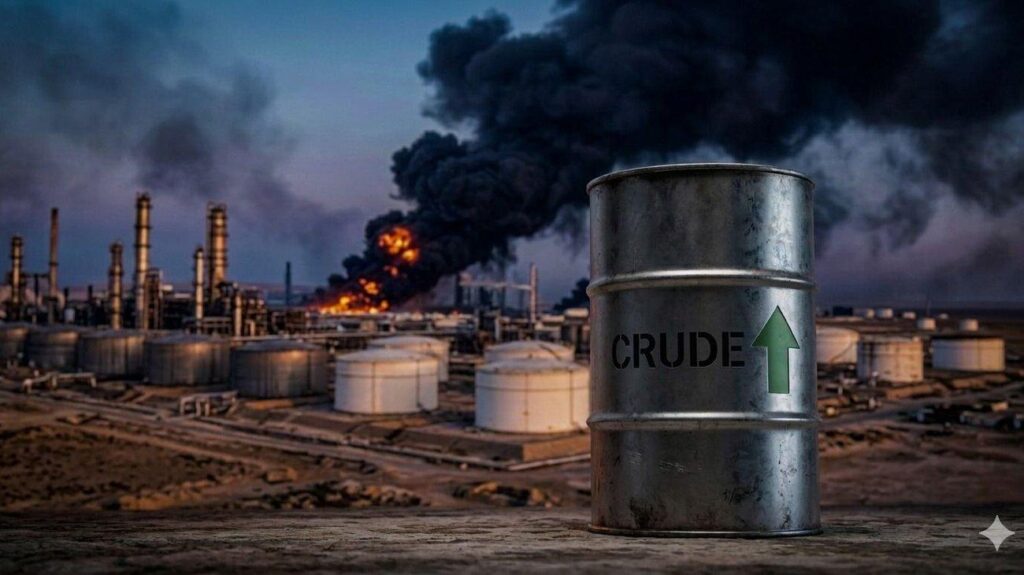
Within days of the war starting, Brent crude jumped over 20%, crossing $100 a barrel for the first time since 2022. It briefly spiked past $114 in March when the fighting escalated and traders started pricing in a long, drawn-out war instead of a quick strike.
The Oil Market Disruption 2026, In Real Numbers
I’ve been tracking the swings almost weekly, and honestly, the volatility has been wild. Here’s a simple snapshot of how crude prices moved through the year:
| Timeframe | Brent Crude (approx.) | What Was Happening |
|---|---|---|
| Late Feb 2026 | ~$70/barrel | War breaks out, initial shock |
| Early March 2026 | $80–114/barrel | Strait of Hormuz effectively closes |
| April 2026 | Elevated, volatile | US sets deadline for Iran to reopen Hormuz |
| June–July 2026 | ~$70–76/barrel | Fragile ceasefire, prices ease off |
| August 2026 | ~$84/barrel | Iran stalls reopening, demands concessions |
| September 2026 | ~$97/barrel | Renewed strikes, pipeline shutdown, prices climb again |
Read More : Red Sea Crisis 2026: How Houthi Attacks Could Threaten Global Shipping Routes
That last line is the one worth paying attention to. Even after a ceasefire brought some relief mid-year, fresh strikes and a pipeline shutdown in September pushed prices right back up. This has been the pattern all year: a little calm, then another flare-up, then another price spike. Energy security in the Middle East right now is basically hanging by a thread.
Why This Isn’t a “One and Done” Price Spike
A normal oil shock usually resolves in weeks. This one is different, and here’s why, from what I’ve seen tracking it:
1. The Strait of Hormuz closure wasn’t temporary. Iran didn’t just slow traffic down it laid mines, boarded tankers, and effectively blocked the route for months. Even now, daily transits through the strait are a small fraction of what they were before the war.
2. Iran is using oil as leverage. Iran’s government has openly said Hormuz won’t reopen fully without sanctions relief and reparations. That’s a political demand, not a shipping problem, which means it can’t be fixed with more tankers or insurance it needs a diplomatic deal.
3. Attacks on infrastructure keep restarting the clock. Every time things start calming down, another strike on a refinery, port, or pipeline sends prices right back up. A pipeline shutdown in September alone knocked out a big chunk of shipping capacity again.
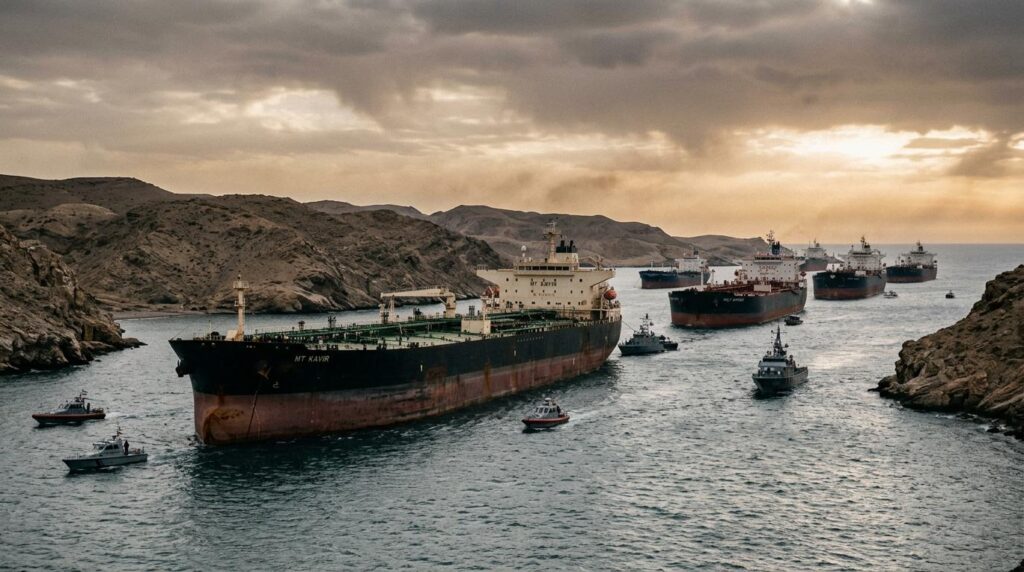
4. It’s not just Hormuz anymore. The Bab al-Mandab strait near Yemen has also seen disruptions, meaning there are now two major oil chokepoints under pressure at the same time. That’s a genuinely unusual situation for international energy markets.
Read More : DR Congo Crisis: How War and Cobalt Are Fueling a Humanitarian Disaster
How This Shows Up in Global Gasoline Prices 2026
This is the part that actually matters to most of us not the barrel price, but what it does at the pump.
In the US, gas prices crossed $4 a gallon for the first time in years during the worst weeks of the crisis. But the pain has been much sharper in countries that import most of their fuel from the Gulf region. The Philippines, for example, went through a genuine fuel crisis where diesel prices climbed past ₱140 a liter that’s roughly $10.75 a gallon leading to real shortages at some stations, not just higher prices.
That’s the pattern with any big oil supply chain disruption: wealthier countries with strategic reserves feel a bruise, while countries that depend heavily on imported fuel can end up with actual shortages, rationing, or long queues at gas stations.
Read More : Nepal-Tibet Floods 2026: Why Are Thousands Still Missing After the Devastating Disaster?
What Could Push Petroleum Prices Even Higher From Here
Based on how this year has gone, a few things could send prices climbing again:
– Iran and the US failing to reach a lasting deal over Hormuz control
– Another attack on Gulf refineries, pipelines, or export terminals
– A wider regional escalation pulling in more Gulf states
– Winter demand in the northern hemisphere adding pressure on top of tight supply
Analysts at major banks warned earlier this year that if the war dragged on and Hormuz stayed shut through peak demand season, oil could theoretically climb toward $150–200 a barrel in a worst-case scenario. We haven’t hit that yet, but every time there’s a fresh flare-up, that scenario gets talked about again.
What You Can Actually Do About It
I’m not going to pretend there’s a magic fix for global oil prices, but there are practical things that help on a personal level:
– Use apps like GasBuddy or Waze to find the cheapest local gas prices the gap between stations can be surprisingly large during volatile weeks
– If you drive for work, track fuel costs weekly instead of monthly so price spikes don’t blindside your budget
– Consider combining errands or carpooling during the sharpest price spikes rather than long term most of these surges have historically eased somewhat once tensions cool
– If you invest, understand that energy stocks and airline stocks often move in opposite directions during these events airlines get squeezed by fuel costs, energy producers often benefit
Read More : Europe’s Rivers Are Drying Up: The Europe Water Crisis 2026 Explained
FAQs
Is the Iran war the only reason oil prices are up in 2026?
It’s the dominant factor, but not the only one. OPEC+ production decisions and seasonal demand also play a role, though the Strait of Hormuz disruption is by far the biggest driver this year.
Has the Strait of Hormuz fully reopened?
Not fully. Traffic has increased at times but remains well below pre-war levels, and Iran has tied full reopening to political demands rather than just security guarantees.
Will gas prices go back to where they were before the war?
They’ve partially eased during ceasefire periods, but every renewed round of fighting has pushed prices back up. A full, lasting return to pre-war prices likely depends on a durable peace deal.
Which countries are hit hardest by this fuel crisis?
Countries that import most of their oil and refined fuel from the Gulf region rather than producing their own have generally seen the sharpest price jumps and, in some cases, actual shortages.
Could oil prices hit $150 or more?
It’s possible if the conflict escalates further or the Strait of Hormuz closes completely again for an extended period, but it’s not guaranteed. Prices have moved both up and down sharply throughout 2026 depending on the news of the week.
Final Thoughts
What’s made this year different isn’t just that oil prices went up it’s how unpredictable the swings have been. One month things look like they’re calming down, and the next, another strike or another political demand sends the market right back into chaos. If you’re budgeting for fuel costs right now, plan for volatility rather than a fixed price, because that’s genuinely what this market has been doing all year. Keep an eye on Strait of Hormuz news specifically as long as that chokepoint stays contested, global fuel prices are going to keep reacting to it.

C0-Founder and Editor
Tazeen and Arzoo are the Co-Founders and Editors of THE NEWSTER. They specialize in covering world news, technology, weather, business, and trending stories. Their mission is to deliver accurate, timely, and well-researched journalism while making complex topics clear, reliable, and easy for readers to understand.
About The Author