Red Sea Crisis 2026: How Houthi Attacks Could Threaten Global Shipping Routes
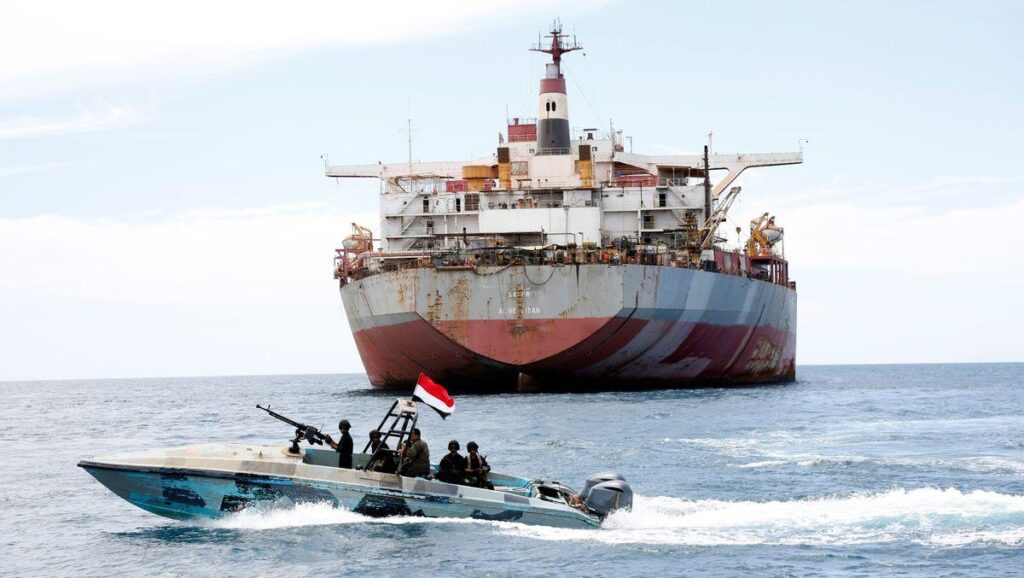
Red Sea Crisis 2026
The Red Sea Crisis 2026 is reshaping global trade. Here’s how Houthi attacks on cargo ships, Yemen conflict, and Suez Canal disruptions are hitting shipping costs worldwide.
Why are ships avoiding the Red Sea?
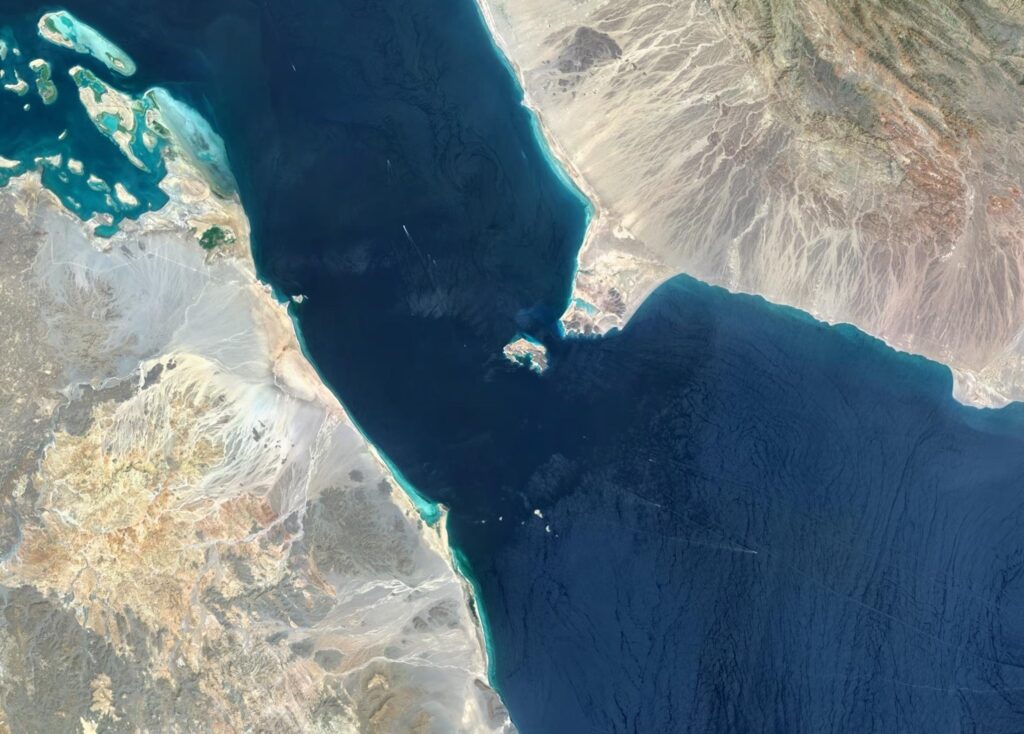
I still remember checking a shipping tracker app back in early 2024, watching a cargo ship’s icon just… stop moving in the Bab el-Mandeb Strait. That was the first time I understood the Red Sea Crisis wasn’t some abstract headline it was real ships, real crews, and real cargo stuck in the middle of a war zone.
Fast forward to 2026, and things have gotten worse, not better. The Red Sea Crisis 2026 is no longer a temporary detour problem. It’s become a permanent shift in how the world moves goods, and honestly, most people have no idea how much this is already affecting the price of stuff sitting on their shelves.
Let me walk you through what’s actually happening out there, based on what shipping data, port authorities, and maritime analysts have been reporting this year.
What’s Actually Going On With the Red Sea Crisis 2026
Here’s the short version: the Yemen conflict 2026 escalated sharply after the US-Israel war on Iran kicked off at the end of February. The Houthis, who are backed by Iran, decided to widen their target list. Instead of just hitting vessels connected to Israel like they did back in 2023-2024, they started going after Saudi oil tankers too especially after Saudi Arabia shifted more of its crude exports through the Red Sea route this past summer.
In July, two tankers carrying Saudi oil got struck. In August, a Saudi-linked vessel called the Amzan was hit near Yanbu. Then, in mid-August, Houthi missiles slammed into a cargo ship called the Tihamah in the Bab el-Mandeb Strait, killing six people, including two rescuers who went in afterward. That one hit me hard when I read about it these aren’t just insurance claims, they’re people’s lives.
So when we talk about Houthi attacks on cargo ships, we’re not talking about isolated incidents anymore. Since late 2023, there have been over 190 missile and drone strikes on commercial vessels in this corridor. That’s not a blip. That’s a structural threat to one of the busiest trade routes on the planet.
Why the Suez Canal Shipping Crisis Won’t Just “Go Away”

I used to think that once the attacks slowed down, ships would just go back to normal routes. That’s not how it’s played out.
Read More : DR Congo Crisis: How War and Cobalt Are Fueling a Humanitarian Disaster
Back in late 2025 and early January 2026, there was actually a brief window where things looked hopeful. More than 70% of diverted container traffic had started returning to the Suez route after Houthi attacks appeared to calm down. Carriers like CMA CGM even relaunched some of their services through the canal.
Then in March 2026, US-Israeli strikes against Iran escalated, and everything flipped again. Maersk, CMA CGM, and Hapag-Lloyd all suspended their Suez operations within days of each other and rerouted back around Africa. On March 4 alone, Suez Canal crossings dropped to just 23 in a single day a 53% drop from the day before, and way below the seven-day average of 38 crossings.
By May 2026, an estimated 70% of freight that used to move through the Red Sea had been permanently rerouted. Meanwhile, traffic around the Cape of Good Hope hit a record 24 million deadweight tonnes in April more than tripling since 2023.
Read More : 7.4-Magnitude Earthquake Hits Colombia – What Happened and Why Was It So Powerful?
This is the part that really matters for the Suez Canal shipping crisis conversation: this isn’t a temporary detour anymore. Shipping analysts like Peter Sand at Xeneta have flat-out said the renewed military escalation will “shatter hopes” of container shipping making a large-scale return to the Red Sea this year. The infrastructure, the shipping schedules, the insurance markets they’ve all adjusted around the assumption that the Cape route is the new normal.
The Numbers Behind the Disruption
I know stats can get dry, so here’s a quick table pulling together the key figures from maritime data sources like BIMCO, UNCTAD, and the Suez Canal Authority, so you can see the scale of this at a glance.
| Metric | 2026 Figure | What It Means |
|---|---|---|
| Suez Canal traffic vs. pre-crisis levels | Down roughly 57-60% | Most large vessels still avoid the Red Sea entirely |
| Houthi attacks on vessels since late 2023 | 190+ missile/drone strikes | A sustained campaign, not isolated incidents |
| Freight rerouted from Red Sea by May 2026 | ~70% | Cape of Good Hope has become a parallel shipping system |
| Cape of Good Hope traffic (April 2026) | Record 24 million deadweight tonnes | Tripled since 2023 |
| Mega container ships (18,000+ TEU) using Suez | Almost none for 20+ months | Largest vessels have permanently shifted routes |
| Combined Suez + Panama disruption impact | ~15-20% of global maritime trade affected | Two major chokepoints under strain simultaneously |
That last row is the one that worries me most. It’s not just the Red Sea the Panama Canal has its own drought-related bottleneck going on at the same time. When two major global trade routes get squeezed at once, there’s basically nowhere for the pressure to go except higher prices and longer wait times.
Read More : Why Could Nepal’s Flood Recovery Cost $5 Billion? The Damage Is Worse Than It Looks
How This Hits Global Trade Disruption in Everyday Terms
global trade disruption like this drags on for years instead of months:
– Shipping costs go up. Rerouting around Africa adds roughly 10-14 days to a typical Asia-Europe voyage, and that extra fuel and time gets billed as a surcharge.
– Insurance premiums spike. War-risk insurance for Red Sea transits has been a rollercoaster, and it directly affects which routes carriers are willing to risk.
– Delivery windows get less predictable. If you’ve ordered furniture, electronics, or anything shipped in bulk containers this year, longer and less consistent lead times are part of why.
– Port congestion ripples outward. Every time carriers try to phase back into Suez, ports like Rotterdam and Antwerp brace for a wave of ships arriving all at once, which causes its own backlog.
If you’re running a small business that imports goods, this is worth tracking through tools like Freightos’ Baltic Index or the Drewry World Container Index both update weekly and give you a real sense of where rates are heading before your supplier tells you.
International Shipping Routes Are Being Redrawn, Not Just Delayed
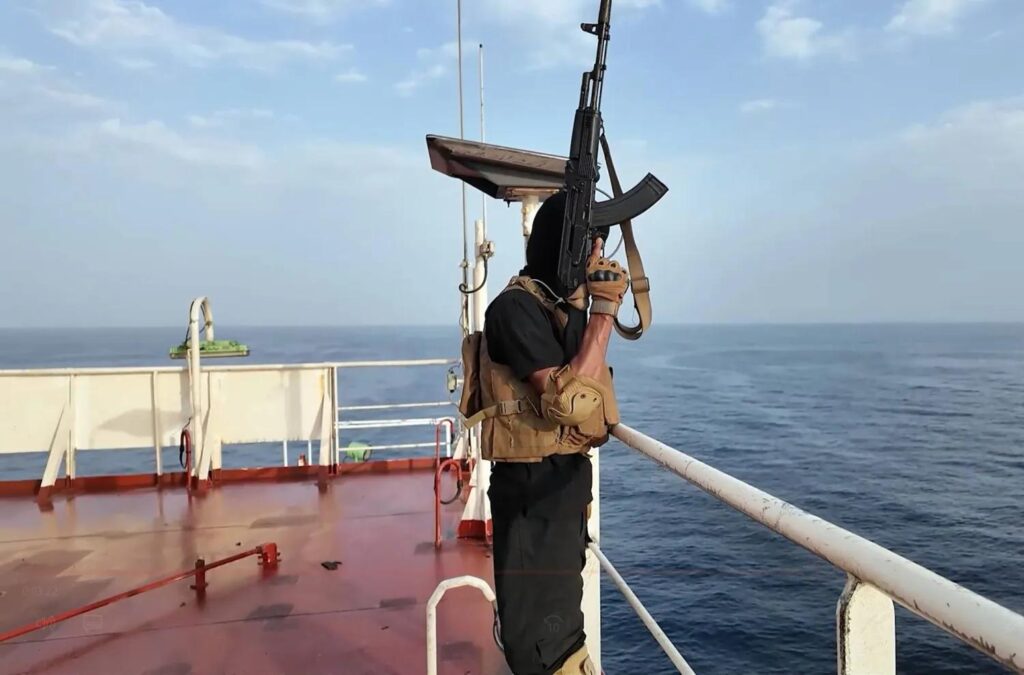
What strikes me most, watching this unfold over the past couple of years, is that international shipping routes aren’t just being temporarily rerouted they’re being redesigned. Shipping companies are ordering different vessel types built for longer voyages. Some are investing in Cape-route-optimized fleets instead of betting on a Red Sea comeback.
That’s a big deal. Route decisions like that don’t reverse overnight even if the Yemen conflict 2026 somehow cooled down tomorrow. Ships, contracts, and insurance frameworks take months or years to re-adjust.
Read More : Nepal Flash Floods 2026: Hundreds Dead After Glacier Collapse Triggers Devastating Floods
Red Sea Maritime Security: What’s Being Done
On the security side, the EU’s Operation Aspides has been extended through 2027 with an adjusted budget to help protect commercial vessels transiting the region. Saudi Arabia also launched its own Red Sea defense alliance this year. But naval escorts can only do so much against drone and missile attacks launched from shore and Red Sea maritime security remains fragile as long as the broader Yemen conflict and the wider US-Israel-Iran tensions stay unresolved.
Read More : Europe’s Rivers Are Drying Up: The Europe Water Crisis 2026 Explained
FAQs
What is the Red Sea Crisis 2026?
It’s the ongoing disruption to Red Sea shipping caused by Houthi attacks on commercial vessels, which escalated sharply in 2026 alongside the broader US-Israel war on Iran and renewed Saudi tanker strikes.
Why are Houthi rebels attacking ships in 2026?
The Houthis, backed by Iran, have expanded their target list beyond Israel-linked vessels to include Saudi oil tankers, framing it as retaliation tied to the wider regional conflict.
Is it safe for cargo ships to use the Suez Canal right now?
Most large carriers, especially mega container ships, are still avoiding it. Some smaller vessels and tankers have returned, but confidence remains low and shifts quickly with new escalations.
How much longer does the Cape of Good Hope route take?
Typically 10 to 14 extra days compared to the Suez route, depending on the specific origin and destination ports.
Will Suez Canal traffic ever return to normal?
Analysts are doubtful it’ll fully bounce back soon. Even during calmer periods, only a partial recovery happened before new escalations reversed it again.
Final Thoughts
Honestly, after following this story for almost three years now, the thing that’s changed my perspective the most is realizing this isn’t a “crisis” in the sense of something short-term. The Red Sea Crisis 2026 has become a permanent variable in how global trade works not unlike how businesses had to adjust after the pandemic reshaped supply chains.
If you’re a business owner, the smartest move right now is building in buffer time and diversifying your shipping partners rather than waiting for things to “go back to normal.” And if you’re just someone wondering why your online orders are taking longer or costing a bit more now you know it’s not your imagination. There’s a war happening on a shipping lane most of us will never see, and it’s quietly reshaping how the entire world moves goods.

C0-Founder and Editor
Tazeen and Arzoo are the Co-Founders and Editors of THE NEWSTER. They specialize in covering world news, technology, weather, business, and trending stories. Their mission is to deliver accurate, timely, and well-researched journalism while making complex topics clear, reliable, and easy for readers to understand.
About The Author