India Cockroach Protest Ends in Victory After Education Minister Resigns
India Cockroach Protest
The India Cockroach Protest just forced a sitting minister out. Here’s what actually happened, why it worked, and what it means for students back home.
What Forced India’s Education Minister to Resign? ‘Cockroach’ Protest Explained
I’ve been refreshing my phone every twenty minutes since Thursday, watching this thing unfold, and honestly, I did not expect it to end this fast.
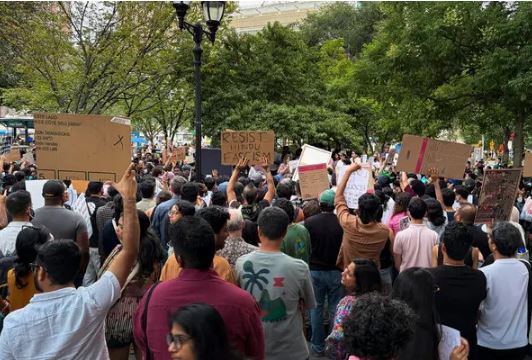
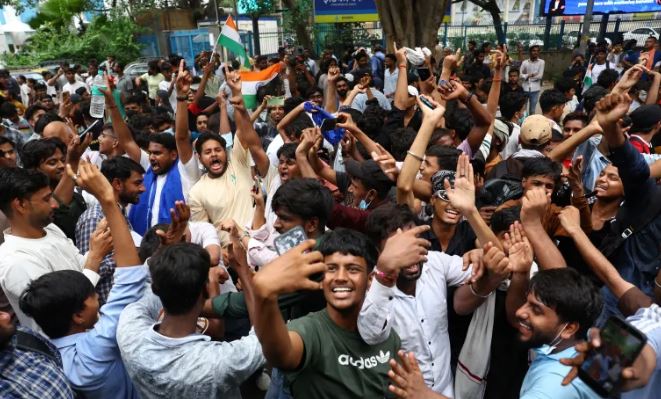
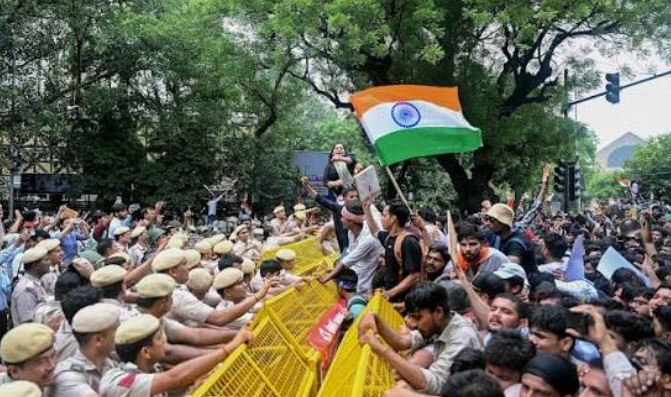
If you’ve spent any time on Indian social media this week, you already know what I’m talking about. If you haven’t picture thousands of students sitting on the road at Jantar Mantar in Delhi, tear gas in the air, and a hashtag that started as a joke turning into something that actually pushed a Union minister out of his job. That’s the India Cockroach Protest, and by Saturday, it had won.
Union Education Minister Dharmendra Pradhan announced his resignation on X, and within minutes, the group behind the movement the Cockroach Janta Party called off weeks of nationwide protests. Their post said it plainly: “Cockroaches won… Democracy won!“
I’m writing this not because I was standing in that crowd (I wasn’t I’ve been tracking it from my desk like most of you), but because I’ve watched enough of these movements rise and fizzle out to know this one is different, and worth actually understanding instead of just scrolling past.
How the India Cockroach Protest Even Started
This didn’t come out of nowhere. It goes back to May, when leaks in NEET the exam that decides who gets into medical college in India blew up online. If you’ve ever prepped for NEET or watched a sibling do it, you know how brutal that exam already is. Finding out the paper may have been leaked and sold felt like a slap in the face to millions of students who’d spent years grinding for it.
At first it was anger in comment sections. Then it turned into an actual campaign, and somewhere along the way the protest picked up the name “Cockroach” reportedly because government-aligned voices tried to dismiss the students as pests, and the students just… owned it. That’s a move I’ve seen work before in online movements Elon Musk’s critics did something similar with the word “Karen,” and protest groups worldwide have a habit of grabbing an insult and wearing it like armor.
From there, it stopped being just about one exam. Students started raising unemployment, government accountability, and the general sense that nobody in charge was listening to them.
What Actually Pushed the Minister to Resign
A few things stacked up here, and I think it’s worth breaking them down instead of just saying “protests worked“:
1. Scale. This wasn’t a few hundred people outside a college gate. Demonstrations spread past Delhi into more than a dozen cities.
2. A hunger strike that got attention. Activist Sonam Wangchuk reportedly went 26 days without food to back the movement, and that kind of commitment tends to shift public sympathy fast.
3. Heavy-handed police response. Tear gas and baton charges against students usually backfire on the government doing the charging, and that seems to be what happened here too.
4. Mobile internet blackouts. Authorities had reportedly cut mobile data around Jantar Mantar for most of the week which, if you’ve ever had your connection cut during something important, you know just makes people angrier, not quieter.
Put that all together and you get a government that ran out of room to just wait it out.
Read More : Who is Saadiya Ahmed: What’s Actually Known About Sadiq Khan’s Wife
What People Are Saying
Opposition leader Rahul Gandhi welcomed the resignation but said accountability shouldn’t stop there he’s asking for an apology over how force was used on protesting students. On the other side, BJP national president Nitin Nabin framed Pradhan’s exit as a matter of personal integrity rather than a forced retreat.
One protester, a corporate employee named Prachi Kumar who joined the demonstrations, put it simply: someone had to be held responsible for what happened.
Whatever side you land on politically, both camps agree the resignation is significant. That almost never happens in Indian politics.
Quick Snapshot: The India Cockroach Protest Timeline
| Date/Period | What Happened |
|---|---|
| May 2026 | NEET exam leak allegations surface, anger builds online |
| Following weeks | “Cockroach Janta Party” movement forms, protests spread beyond Delhi |
| Mid-July | Sonam Wangchuk begins hunger strike in support of the movement |
| Week of July 20 | Police use tear gas and batons; mobile internet restricted near Jantar Mantar |
| July 25, 2026 | Dharmendra Pradhan resigns; CJP calls off nationwide protests |
Read More : Sadiq Khan Biography and Political Career: From Bus Driver’s Son to Mayor of London
Why This Actually Matters (Not Just for India)
Here’s the part I keep thinking about. A lot of protest movements I’ve followed a fair few over the years burn bright for a week and then just… lose steam. People go back to work, the news cycle moves on, nothing changes.
This one didn’t do that. And I think the reason is pretty simple: the demand was specific. Not “fix the system,” but “this exam process failed us, and someone needs to answer for it.” Specific demands are just easier to actually win.
If you’re a student in India watching this, or a parent who’s been through the NEET grind with your kid, the real question now isn’t “did we win” it’s “does anything actually change with the next exam cycle.” Resignations feel good in the moment. Reformed exam security, transparent result audits, and real oversight are the stuff that actually protects the next batch of students. That’s the part worth watching over the next few months, not just this week’s headlines.
A Mistake I Made Following This Story
I’ll be honest for the first couple of days I assumed this was a small, online-only thing, the kind of hashtag campaign that trends for 48 hours and disappears. I almost didn’t write about it at all. That taught me something I should already know by now: when a protest starts pulling in people outside the original affected group office workers, parents, people with zero connection to NEET that’s usually the signal it’s about to become bigger than the original issue. Worth watching for next time something like this starts trending.
Read More : Kemi Badenoch Biography And Family: From Engineer to Conservative Party Leader
FAQs About the India Cockroach Protest
What is the India Cockroach Protest?
It’s the nationwide student-led movement, organized under the name Cockroach Janta Party, that demanded accountability over alleged NEET exam leaks and broader education system failures in India.
Why is it called the “Cockroach” protest?
The name reportedly stuck after government-aligned commentators dismissively compared protesters to pests, and the movement flipped the insult into its identity.
Who resigned because of the India Cockroach Protest?
Union Education Minister Dharmendra Pradhan announced his resignation on July 25, 2026, after weeks of sustained protests.
Is the protest completely over now?
The Cockroach Janta Party has called off its nationwide demonstrations, saying the government agreed to its major demands. Whether those demands are followed through on is still something to watch.
Did the government accept the resignation?
As of the resignation announcement, that formal step hadn’t been publicly confirmed by the Prime Minister’s office, so it’s worth keeping an eye on official statements before treating it as fully final.
Final Thoughts
I don’t think this story is really about one minister stepping down. It’s about a group of students who could’ve just complained online and didn’t they kept showing up, kept the pressure on, and it worked. Whether or not you agree with every tactic used on either side, that’s the part that stands out to me.
If you’re following this because it affects an exam you or someone you know is prepping for, my honest advice: don’t just celebrate the resignation and move on. Keep watching for the actual policy changes new exam security protocols, oversight bodies, whatever comes next. That’s where you’ll know if this protest actually changed anything, or just changed a name at the top.

C0-Founder and Editor
Tazeen and Arzoo are the Co-Founders and Editors of THE NEWSTER. They specialize in covering world news, technology, weather, business, and trending stories. Their mission is to deliver accurate, timely, and well-researched journalism while making complex topics clear, reliable, and easy for readers to understand.
About The Author