Pakistan’s Role in US-Iran Tensions: Can Islamabad Restart Peace Talks?
Pakistan's Role in US-Iran Tensions
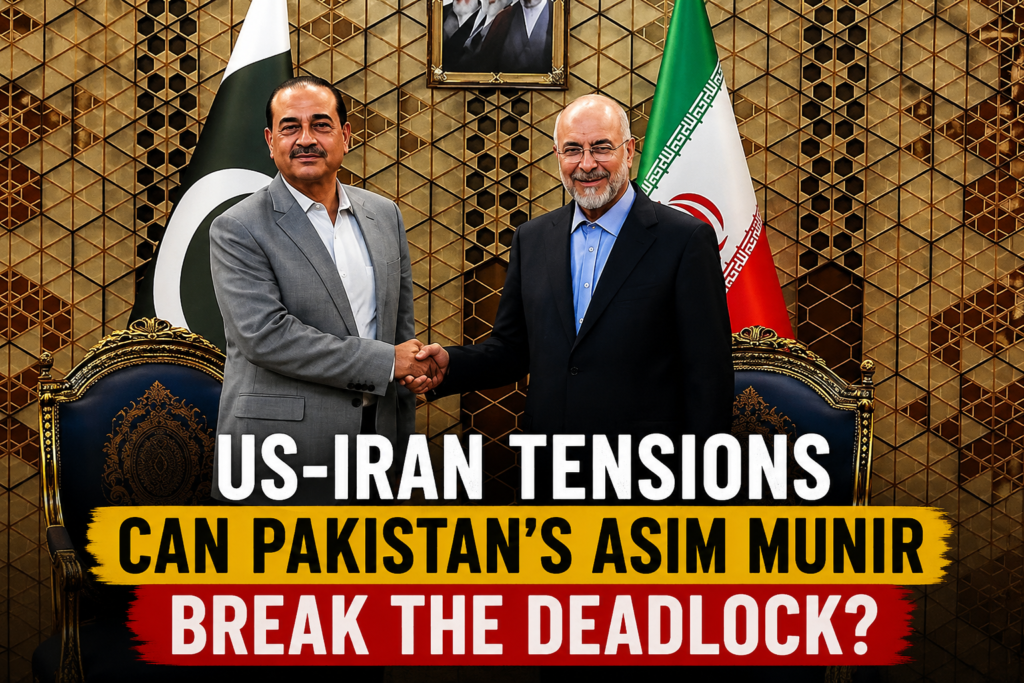
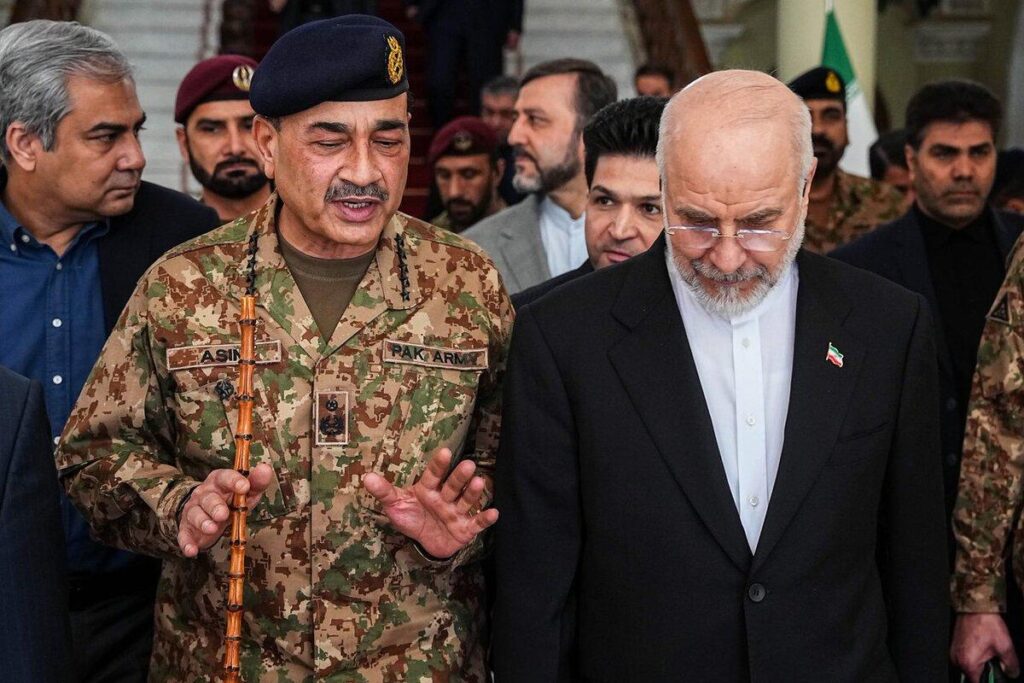
Pakistan’s role in US-Iran tensions is back in the headlines as Asim Munir lands in Tehran again. Here’s what’s really going on, explained simply.
Pakistan’s Role in US-Iran Tensions: Can Islamabad Restart Peace Talks?
I’ll be honest I almost scrolled past the news alert this morning. Another Pakistan-Iran headline, I thought, probably nothing new. Then I actually read it: Field Marshal Asim Munir was back in Tehran. Again. His third trip this year. And this time the stakes felt different, because the oil pump price near my own neighborhood has been climbing for months and everyone I know has an opinion about why.
That’s really what pulled me into digging deeper into Pakistan’s role in US-Iran tensions. It’s not just a diplomacy story anymore. It’s a “why is petrol so expensive” story, a “why are my flights getting rerouted” story, and honestly, a “is this going to affect my job” story for a lot of people in this region.
So I spent the last few days reading through wire reports, government statements, and talking to a couple of friends who follow defense and energy markets closely. Here’s what I found, broken down the way I’d explain it over chai, not the way a press release would.
What is happening between the US and Iran right now?
Quick recap for anyone who’s been busy living life and missed the last six months: the US and Israel launched military action against Iran back in February 2026. What followed wasn’t a quick strike-and-done situation it turned into a prolonged standoff that’s dragged in shipping lanes, oil markets, and half the diplomats in the Middle East.
Since then, there have been ceasefires that didn’t fully hold, sanctions threats, and on-and-off talks about a memorandum of understanding between Washington and Tehran. As of this week, Iran’s foreign ministry has said talks on that MoU are reportedly nearing a final stage, though “final stage” in diplomacy-speak has meant different things before.
Washington, meanwhile, has been preparing what officials describe as some of the toughest sanctions in history on Iran, timed to land right around Munir’s latest Tehran visit. So you’ve got pressure and diplomacy happening at the exact same time which, if you’ve ever negotiated anything in real life, you know is an awkward combination.
Read More : Canada US Tariff War Explained: Why Canada Hit Back With Retaliatory Tariffs in 2026
Why did Asim Munir travel to Tehran today?
This is the part that made me sit up. Iran’s foreign ministry spokesperson confirmed Munir was heading to Tehran, and Pakistani officials quietly confirmed the trip too, without saying much about the actual agenda.
According to Iranian state media, this was framed as Pakistan continuing its effort to “strengthen peace and security” in the region. Iran’s foreign minister said he’d already spoken with Munir by phone about regional developments before the in-person visit even happened.
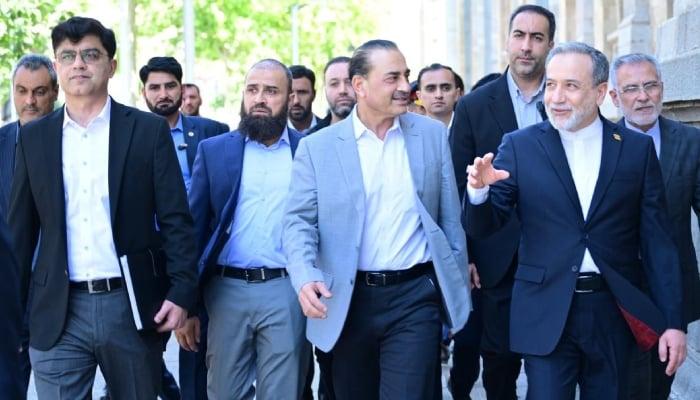
What struck me is that this isn’t a one-off gesture. It’s Munir’s third visit to Iran this year. When someone shows up three times, they’re not just being polite they’re trying to actually move something forward, or at least they want to be seen trying.
What role is Pakistan trying to play as a mediator?
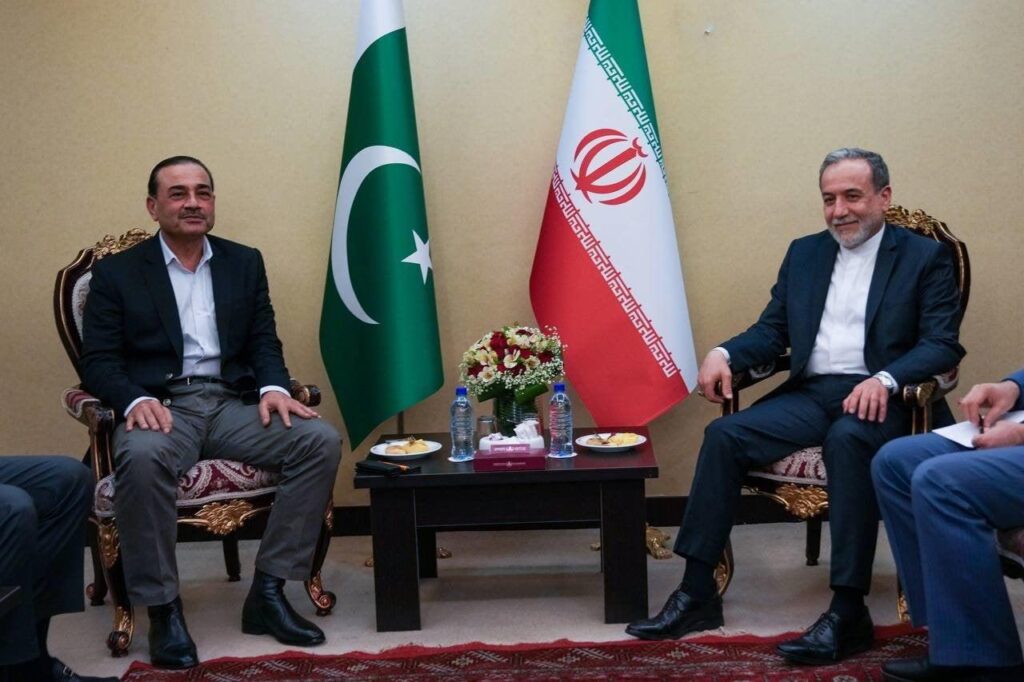
Pakistan’s role in US-Iran tensions isn’t new, but it’s grown more central lately. Islamabad has positioned itself as the go-between someone both Washington and Tehran are willing to talk to, even when they won’t talk to each other directly.
Here’s why that’s even possible: Pakistan shares a long, porous border with Iran, has deep religious and cultural ties, and at the same time has been rebuilding a genuinely warm relationship with the Trump administration. Trump has publicly called Munir his “favourite field marshal,” which is an unusual thing for a US president to say about a foreign army chief, and it tells you something about how much personal trust has built up there.
So Pakistan gets to play a rare double role trusted enough by Tehran to be let in the room, and close enough to Washington to actually be heard. That combination is genuinely hard to find right now.
Read More : North Korea Nuclear War Warning: Will US-South Korea Drills Spark a Real Crisis?
Trump–Munir conversation: What was reportedly discussed?
Earlier this year, Munir met Trump at the White House for what was supposed to be a one-hour meeting and stretched past two hours, moving from the Cabinet Room into the Oval Office over lunch. That’s not a courtesy call. That’s a working session.
Reports at the time said the conversation covered Iran’s nuclear program, regional security, and Pakistan’s read on Tehran’s intentions. Trump reportedly said Munir’s side “knows Iran very well, better than most,” and suggested Munir agreed with his broader assessment of the situation, though neither side spelled out exactly what that agreement covered.
More recently, Munir was expected to meet Secretary of State Marco Rubio and Defense Secretary Pete Hegseth during a US trip, with Pakistan’s foreign minister telling parliament that Iran had signaled willingness to return to the table if Israel held off on further strikes. So the Trump-Munir channel has become something like an informal side door into the broader negotiation.
Why does Iran matter so much to Pakistan?
Some of my friends asked me this directly why does Pakistan even bother? A few reasons, and none of them are abstract.
– The border. Pakistan and Iran share close to 1,000 kilometers of border. Instability next door doesn’t stay next door.
– Energy dependence.Pakistan needs stable, affordable energy imports, and a Gulf in chaos makes everything more expensive at home.
– Sectarian balance. Pakistan has to carefully manage relationships with both Iran and Saudi Arabia without tilting too hard either way this isn’t the first time Islamabad has tried to play peacemaker between Tehran and its rivals.
– Regional credibility. Pakistan, Saudi Arabia, and Turkiye signed the Mecca Joint Defence Agreement this August, a mutual defense pact where an attack on one is treated as an attack on all three. That raises Pakistan’s stakes in keeping the wider region from boiling over.
Basically, Pakistan doesn’t have the luxury of sitting this one out. Geography made this Islamabad’s problem whether it wanted it or not.
Strait of Hormuz and the global oil crisis
Now here’s the part that actually explains your fuel bill. The Strait of Hormuz is a narrow waterway between Iran and Oman that roughly 20 million barrels of oil and petroleum products pass through on an average day. That’s close to a fifth of the entire world’s oil consumption and more than a quarter of all oil moved by sea, according to US Energy Information Administration figures cited by multiple energy researchers.
Since the war began, Iran has repeatedly restricted or threatened shipping through the strait, and traffic has fallen to a near standstill for long stretches. The numbers are genuinely wild once you line them up:
| Metric | Before the War (Jan 2026) | During Peak Disruption (2026) |
|---|---|---|
| Brent crude oil price | Roughly $60–65/barrel | Peaks discussed near $84–100+/barrel |
| US retail gasoline (avg) | Baseline pre-war levels | Up nearly $1/gallon year-over-year, averaging around $4.11 |
| Share of global oil supply through Hormuz | ~20% (normal flow) | Near-standstill during blockades |
| Global GDP growth impact | N/A | Estimated to shave off growth, with one Fed analysis citing up to a 2.9 percentage point annualized hit in a severe scenario |
| Emergency reserve releases | None | 400 million barrels released — the largest on record |
Some analysts have floated scenarios where prices could spike toward 150–200 a barrel if the strait stays effectively shut for an extended period. Even the more moderate estimates from central bank researchers point to meaningfully higher US inflation this year purely because of the oil shock.
If you’re wondering why grocery delivery, flights, and even plastic-based products feel pricier lately this is a big part of the reason. Petroleum touches almost everything in a modern supply chain.
Read More : Ukraine Sends New Peace Proposal to US: Could the Russia-Ukraine War Finally End?
Can Pakistan actually influence Iran and the US?
This is the honest question, and I don’t think the answer is a simple yes or no.
On one hand, Pakistan clearly has access that few other countries have right now. It can get Iranian officials on the phone, it can get a delegation into Tehran, and it can get a sitting US president to sit through a two-hour meeting. That’s real diplomatic capital.
On the other hand, access isn’t the same as leverage. Pakistan doesn’t control Iran’s oil exports, doesn’t control US sanctions policy, and can’t force either side to concede anything. What Pakistan can do is carry messages accurately, build trust incrementally, and maybe help both sides find language they can both live with which, in diplomacy, actually matters more than people assume.
Think of it like a mutual friend trying to help two people who are fighting but still love each other patch things up. They can’t force reconciliation, but they can stop misunderstandings from making things worse.
What happened in Pakistan’s previous mediation efforts?
Pakistan has actually done this dance before, and it’s worth looking at how those attempts played out.
Back in 2019, during an earlier spike in US-Iran tensions, then-Prime Minister Imran Khan visited Tehran and Riyadh trying to act as a facilitator between Iran and Saudi Arabia after drone attacks on Saudi oil facilities. Iran’s foreign minister also visited Islamabad that same year for direct talks. Those efforts eased tensions temporarily but didn’t produce a lasting breakthrough the underlying disputes were too deep for shuttle diplomacy alone to resolve.
Earlier this year, when Washington was reportedly close to a decision on joining Israeli strikes, Prime Minister Shehbaz Sharif and Munir personally urged Trump to hold off. That didn’t stop the war from starting, but people close to the process say it may have shaped how it was conducted.
So the pattern is consistent: Pakistan’s mediation tends to open doors and slow down worst-case decisions, rather than deliver full resolutions on its own. That’s still valuable just not a magic fix.
Read More : US Fires Missiles at Cargo Ship Near Iran: What Happened in the Strait of Hormuz?
What could happen if diplomacy fails?
I don’t want to be dramatic here, but I also don’t want to sugarcoat it. If the current round of talks collapses, a few things realistically follow:
1. The Strait of Hormuz stays constrained longer, keeping oil prices elevated or pushing them higher.
2. New US sanctions take full effect, further squeezing Iran’s economy and potentially triggering the retaliation Tehran has warned about.
3. Regional shipping and insurance costs climb further, which eventually shows up in the price of almost everything transported by sea.
4. Pakistan’s own economic pressure increases, since it’s already managing inflation and energy costs domestically.
5. Other regional players get pulled in, given agreements like the Mecca Joint Defence Pact that link Pakistan, Saudi Arabia, and Turkiye’s security commitments together.
None of this is guaranteed. But it’s the realistic downside if the current diplomatic window closes without a deal.
What this means for Pakistan, the Gulf and global energy prices
Here’s my honest take after going through all of this: Pakistan’s role in US-Iran tensions matters more than the size of its economy or military would suggest, purely because of geography and relationships. It’s one of the very few actors both Washington and Tehran are willing to keep talking to.
For ordinary people in Pakistan, the Gulf, or anywhere that imports oil the practical impact is straightforward. As long as the Strait of Hormuz remains disrupted, fuel costs stay elevated, inflation stays sticky, and travel and shipping stay more expensive than they were at the start of the year. A genuine breakthrough in these talks wouldn’t just be a diplomatic win it would show up in your monthly budget within weeks.
Whether Munir’s latest trip becomes the one that actually locks in a deal, or just another chapter in a long back-and-forth, is something we’ll know within days rather than months, given how close both sides say they are to an MoU.
FAQs
Q1: What is Pakistan’s role in US-Iran tensions right now?
Pakistan is acting as an informal mediator, using Army Chief Asim Munir’s direct access to both Iranian officials and the Trump administration to try to keep negotiations alive between Washington and Tehran.
Q2: Why did Asim Munir go to Tehran again?
This was Munir’s third visit to Iran this year, aimed at continuing mediation talks around a proposed memorandum of understanding, discussing regional security, and addressing Trump’s threat of tougher sanctions on Iran.
Q3: How does the Strait of Hormuz affect oil prices globally?
About a fifth of the world’s oil and petroleum products move through the Strait of Hormuz daily. When traffic through it drops due to conflict or blockades, oil supply tightens worldwide, pushing up prices for fuel, shipping, and eventually everyday goods.
Q4: Has Pakistan mediated between Iran and the US before?
Yes. Pakistan has a history of shuttle diplomacy in the region, including efforts during the 2019 US-Iran tensions and earlier this year when Pakistani leadership urged Trump to hold off on strikes against Iran.
Q5: Can Pakistan actually stop the US-Iran conflict?
Not on its own. Pakistan can facilitate communication and build trust between both sides, but it doesn’t control US sanctions policy or Iran’s military decisions, so real resolution still depends on Washington and Tehran themselves.
Q6: How does this affect fuel prices for regular consumers?
Directly. US gasoline prices have risen nearly a dollar per gallon year-over-year during this conflict, and similar pressure has been felt in fuel and transport costs across countries reliant on Gulf oil imports, including Pakistan.

C0-Founder and Editor
Tazeen and Arzoo are the Co-Founders and Editors of THE NEWSTER. They specialize in covering world news, technology, weather, business, and trending stories. Their mission is to deliver accurate, timely, and well-researched journalism while making complex topics clear, reliable, and easy for readers to understand.
About The Author