Meta Lawsuit 2026: Why Is Facebook and Instagram Facing a Major Legal Reckoning?
Meta Lawsuit 2026
The Meta lawsuit 2026 saga is heating up fast here’s why Instagram and Facebook are facing billions in damages over youth mental health and addiction claims.
Meta Lawsuit 2026: why is Meta being sued over Instagram and Facebook?
I still remember the first time I watched my niece scroll Instagram Reels for two straight hours without looking up once. Not even when dinner was called twice. That moment stuck with me, because it wasn’t really about “screen time” it felt more like watching someone caught in a loop they couldn’t step out of, even when they wanted to.
Turns out I wasn’t the only one who noticed. Juries, judges, and state attorneys general across the U.S. have been watching the same thing, and in 2026, they finally started doing something about it. The Meta lawsuit 2026 wave isn’t one single case it’s dozens of them, and some have already ended with Meta writing checks worth hundreds of millions of dollars.
If you’ve been seeing headlines about Mark Zuckerberg testifying in court, or Meta getting hit with a $567 million judgment, and wondering what’s actually going on I’ve been following this closely, and I’ll break it down the way I’d explain it to a friend over coffee.
So What Exactly Is the Meta Lawsuit 2026 About?
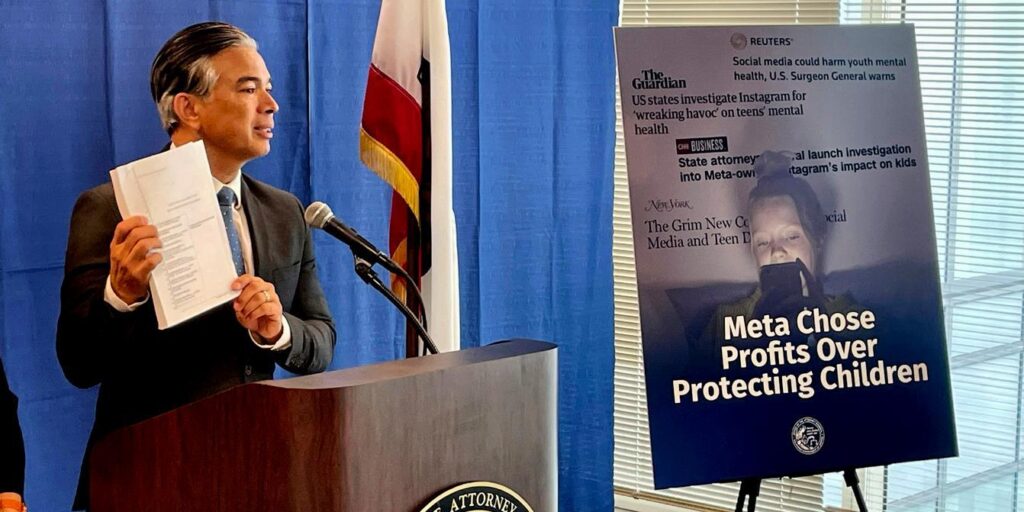
At its core, this isn’t one lawsuit. It’s a massive pile-up of legal claims from individual families, school districts, and now entire state governments all arguing the same basic thing: Meta built Instagram and Facebook to be addictive on purpose, knew it was hurting kids, and didn’t fix it because fixing it would’ve cut into engagement (and therefore ad revenue).
Most of these cases live inside a huge federal case called In re Social Media Adolescent Addiction Product Liability Litigation, centralized in a California federal court back in 2022. That federal case bundles together claims alleging Facebook and Instagram cause social media addiction in users, mostly focused on people under 18, resulting in mental health harms. By early 2025, that single case already had over 1,700 individual lawsuits attached to it and it’s only grown since.
But 2026 is the year things stopped being theoretical and started turning into real verdicts with real dollar amounts.
Why Is Meta Being Sued Over Instagram and Facebook?
Here’s the plain-English version. The lawsuits argue that Meta used design tricks like infinite scroll, autoplay video, push notifications, and beauty filters to keep kids hooked longer than they intended to be. Not by accident. On purpose.
Some of the internal documents that came out during trial testimony are honestly kind of chilling. In one case, plaintiffs’ lawyers presented internal Meta materials showing executives discussing strategies to attract younger users, including a memo that reportedly said the company needed to “bring them in as tweens” if it wanted to win big with teens. Another internal document allegedly showed that 11-year-olds returned to Instagram at a much higher rate than to competing apps despite Instagram officially requiring users to be at least 13.
That’s the heart of it: plaintiffs say Meta didn’t just fail to protect kids, it studied how to keep them engaged and built the product around that.
Meta, for its part, denies intentionally designing for addiction and says teen mental health is shaped by way more than one app. That defense hasn’t held up great in court so far but the fight is far from over.
A Timeline of Meta’s Biggest 2026 Legal Hits
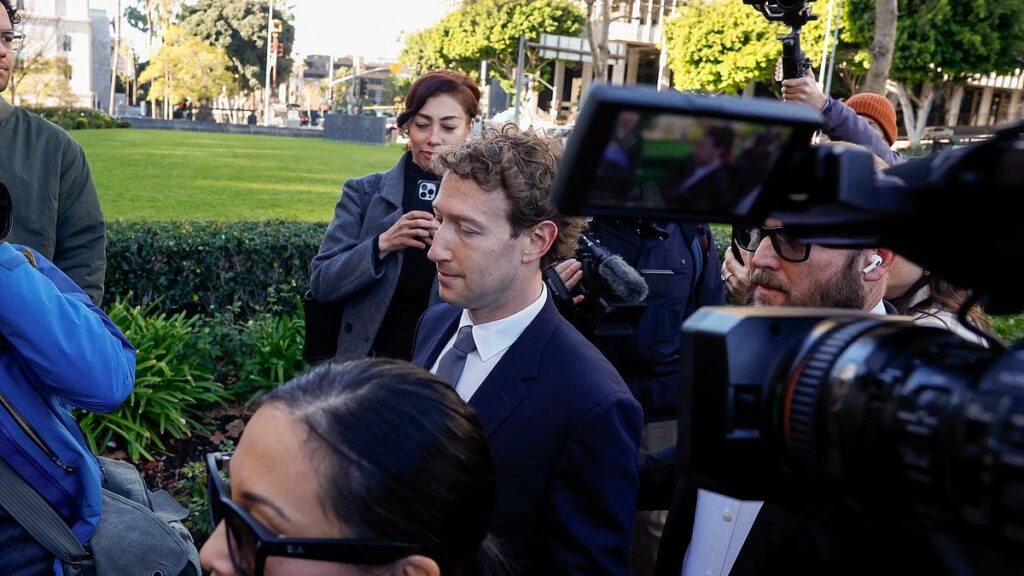
Here’s a quick snapshot of how fast this has escalated just this year:
| Date (2026) | Case | Outcome |
|---|---|---|
| February | Los Angeles trial begins, Zuckerberg testifies | Meta pushes back on claims Instagram was designed to be addictive |
| March | Los Angeles jury verdict (Meta & Google) | Jury awards $6 million ($3M compensatory + $3M punitive) to a plaintiff who developed depression and body dysmorphia; Meta liable for 70% |
| March | New Mexico jury verdict | Meta ordered to pay $375 million for failing to protect kids from predators on Instagram/Facebook |
| May | School district bellwether trial | Multiple platforms settle for a combined $27 million |
| Recent | Kentucky school district settlement | Meta agrees to pay Breathitt County Schools $9 million |
| August | Federal Oakland trial ruling | Court orders Meta to pay $567 million tied to youth mental health harms |
| August (ongoing) | Federal MDL bellwether trial, 4 states vs. Meta | Trial underway in Oakland federal court over alleged addictive design |
Read More : AI Creates Viruses Not Found in Nature: What Actually Happened, and Why It Matters
That’s not a typo on the $567 million line. A court ordered Instagram and Facebook’s parent company Meta to pay $567 million to address kids’ mental health online, and that was just one ruling in a much longer legal calendar.
Meta Legal Challenges Over Youth Mental Health: It’s Bigger Than One Courtroom
What makes this different from a typical corporate lawsuit is the sheer number of fronts Meta is fighting on at once. Meta is also facing a trial in federal court in Oakland, California, where it’s up against the first four of 29 states that sued it in a federal multi-district lawsuit filed in 2023, all accusing the company of knowingly designing features that hook kids.
On top of that:
– Eight states filed separate lawsuits in their own state courts, including an ongoing case in Tennessee.
– Late last month, families of four teenagers who died by suicide sued Meta, TikTok, Snap, and YouTube, describing what they called years of escalating harm from the platforms leading up to their children’s deaths.
– Massachusetts’ Attorney General has an active case alleging Instagram’s infinite scroll and autoplay features were built specifically to addict children and Meta’s attempt to get that case dismissed was already rejected on appeal.
– Class actions have also popped up outside the U.S., including in Brazil, Canada, and parts of Europe.
This is the part I think people underestimate this isn’t a “one bad ruling and it’s over” situation. It’s death by a thousand cuts, legally speaking, and each new verdict makes the next plaintiff’s case a little easier to argue.
Read More : Euan Blair Biography and Multiverse Success Story: From Tony Blair’s Son to Tech Entrepreneur
Meta Trial Damages: Social Media Addiction Claims by the Numbers
Let’s talk numbers, because they tell their own story about where this is headed.
| Case Type | Damages / Settlement |
|---|---|
| LA jury verdict (individual plaintiff) | $6 million (Meta + Google combined) |
| New Mexico verdict (predator protection failure) | $375 million |
| School district bellwether settlement (multiple platforms) | $27 million |
| Kentucky school district settlement | $9 million |
| Oakland federal court ruling | $567 million |
Add those up and you’re already well past $980 million in publicly reported 2026 judgments and settlements and that’s before the ongoing four-state federal trial wraps up, and before the thousands of remaining cases in the broader MDL get their turn.
For comparison, legal experts covering these trials have started drawing a direct line to Big Tobacco litigation from the 1990s where individual verdicts eventually snowballed into a $206 billion master settlement. Nobody’s saying Meta is facing that exact number, but the legal playbook (internal documents, addiction science experts, state AG coordination) looks strikingly similar.
Read More : How Bloggers Can Use AI Without Hurting SEO in 2026 (Complete Guide)
It’s Not Just Meta: Social Media Companies Lawsuits Over Child Mental Health
I want to be fair here Meta is the biggest target, but it’s not standing alone in the dock. TikTok, Snapchat, and YouTube are named in a lot of the same lawsuits, especially the bigger MDL and the wrongful death suits filed by grieving families.
The legal theory being tested across all of them is basically identical: these platforms are products, and products that are unreasonably dangerous by design can trigger liability the same way a poorly designed car seat or a defective appliance could. That’s a meaningful shift, because historically, Section 230 of the Communications Decency Act has protected platforms from lawsuits over what users post. These new cases try to sidestep that shield entirely by focusing on the design of the app, not the content on it.
Whether that legal strategy holds up on appeal is still an open question but so far, juries have been buying it.
What Meta Says in Its Own Defense
To be balanced about this Meta isn’t just sitting there taking hits without a response. The company has consistently argued that:
– Teen mental health struggles are shaped by dozens of overlapping factors family, school, genetics, and offline life not one single app.
– It has rolled out teen safety tools like default private accounts for minors, screen time reminders, and parental supervision settings.
– Blaming a platform’s design ignores that struggling teens often turn to social media as a coping outlet, not the original cause of the struggle.
That last argument actually came up directly in the Los Angeles trial, where Meta’s legal team argued the plaintiff’s mental health issues stemmed from problems at home, and that she used social media as a coping mechanism rather than the platform itself being the root cause.
It’s a reasonable point on its face. The problem for Meta is that juries keep siding with the plaintiffs anyway, especially once internal company documents get introduced as evidence.
Read More : Best AI Tools for Bloggers to Increase Productivity in 2026 (Free & Paid)
What This Actually Means If You’re a Parent Right Now
Okay, real talk lawsuits are slow and headlines are messy, so here’s what I’d actually do if I were a parent trying to make sense of all this today:
1. Turn on the built-in teen safety tools.Instagram now defaults minors into private accounts and has sensitive content restrictions check that they’re actually switched on in your kid’s settings.
2. Use Screen Time or Digital Wellbeing controls (built into iOS and Android) to set realistic daily limits, rather than an all-or-nothing ban that usually backfires.
3. Talk about the “why,” not just the “how long.” Ask what keeps pulling them back comparison, FOMO, DMs, a specific creator instead of just policing minutes.
4. Watch for real warning signs, not just usage time: withdrawal from friends, sleep disruption, mood changes tied to app use, or obsessive focus on likes and filters.
5. If you’re genuinely concerned about harm your child has experienced, organizations like the Social Media Victims Law Center are tracking these cases and can point families toward legal resources this isn’t legal advice, just a starting point to look into.
FAQs About the Meta Lawsuit 2026
Is Meta actually going to lose the 2026 trials?
It’s already lost several. Meta and Google were found negligent in a Los Angeles trial in March 2026, and Meta was separately ordered to pay $375 million in New Mexico and $567 million in the Oakland federal ruling. More trials are still ongoing, so the final tally isn’t settled yet.
Why is Meta being sued over Instagram and Facebook specifically, and not just TikTok?
Because Instagram and Facebook are named in the largest volume of lawsuits, and internal documents from Meta specifically have surfaced showing engagement strategies aimed at younger users. TikTok, Snap, and YouTube are named in related suits too, but Meta has drawn the most legal fire so far.
What are people actually suing Meta for, legally speaking?
Mostly product liability and consumer protection claims arguing the app itself was designed in a way that’s unreasonably harmful, plus claims that Meta misled the public about known risks.
Has Meta settled any of these lawsuits?
Yes. It settled with a Kentucky school district for $9 million, and multiple platforms including Meta settled a bellwether school district trial for $27 million combined.
Will this change how Instagram and Facebook work for regular users?
Possibly. Similar litigation against the tobacco industry eventually forced product changes and warning labels. Legal experts covering these trials expect similar pressure here more default safety settings, more age verification, and likely new regulation depending on how the remaining trials go.
Is this only happening in the U.S.?
No while the biggest cases are in U.S. federal and state courts, class action claims tied to similar allegations have also been filed in Brazil, Canada, and parts of Europe.
Where This Leaves Us
Whatever you think about how these platforms are built, one thing feels different about 2026 compared to the last decade of “social media is bad for kids” headlines: this time it’s not just opinion pieces and worried parents it’s juries, judges, and state governments putting actual dollar figures on the harm, backed by Meta’s own internal documents.
Nobody knows exactly how the remaining federal trial or the dozens of cases still in the pipeline will shake out. But at close to a billion dollars in verdicts and settlements already this year, and thousands of cases still waiting their turn, it’s hard to see this as a passing news cycle. It looks a lot more like the early innings of something that’s going to reshape how these apps are built the same way tobacco litigation eventually changed cigarette packaging and marketing for good.
If you’ve got a kid glued to a screen tonight, you’re not imagining things, and you’re definitely not alone in wondering about it.

C0-Founder and Editor
Tazeen and Arzoo are the Co-Founders and Editors of THE NEWSTER. They specialize in covering world news, technology, weather, business, and trending stories. Their mission is to deliver accurate, timely, and well-researched journalism while making complex topics clear, reliable, and easy for readers to understand.
About The Author