North Korea Nuclear War Warning: Will US-South Korea Drills Spark a Real Crisis?
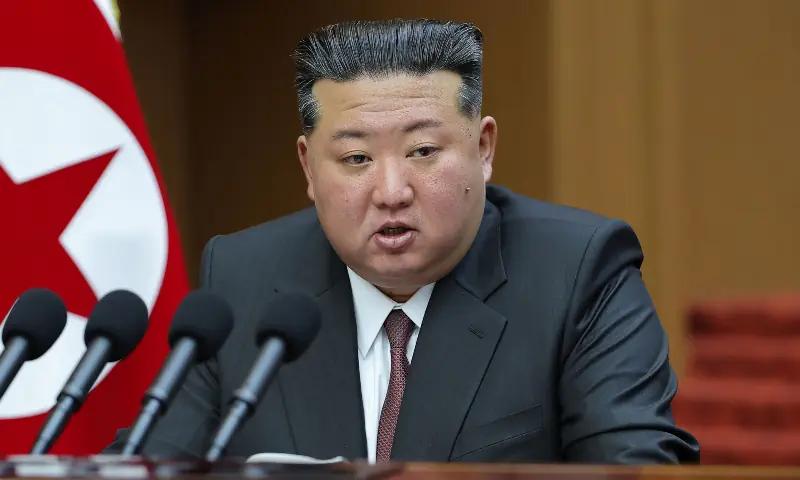
North Korea Nuclear War Warning
North Korea nuclear war warning is back in the headlines as US-South Korea drills begin. Here’s what’s really happening, why it matters, and what to watch next.
North Korea warns of nuclear war over US South Korea drills
I still remember checking my phone at 6 a.m. a few years back, half-asleep, and seeing a push notification that just said “North Korea fires missile.” My first thought wasn’t panic it was déjà vu. I’ve covered enough Korean Peninsula news cycles by now to know the rhythm: drills get announced, Pyongyang gets loud, missiles fly, and then everyone waits to see if this is “just another August” or something different.
This week, it’s happening again. And honestly, the tone coming out of Pyongyang feels a notch sharper than usual, which is exactly why I sat down to write this.
If you’ve been scrolling through headlines about a North Korea nuclear war warning and wondering whether you should actually be worried, or whether this is the same recycled tension we’ve seen a dozen times before, you’re in the right place. I’ve been following this story closely, cross-checking wire reports, and talking to people who track this stuff for a living. Let me walk you through what’s actually going on, in plain English.
What’s Happening Right Now
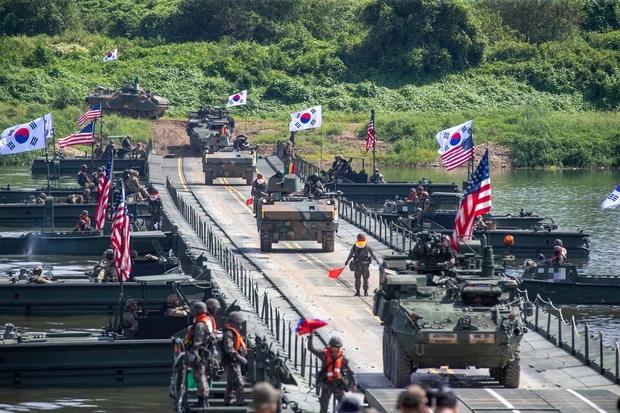
Here’s the short version. Every August, the United States and South Korea run a large joint military exercise called Ulchi Freedom Shield. This year’s drills are scheduled to run from August 17 to August 27, and they’re being described by officials as similar in scope to previous years but North Korea isn’t buying that framing.
On Friday, North Korea’s Foreign Ministry put out a statement through state media (KCNA) calling this year’s drills more provocative than last year’s, and warning of a “new level of deterrent” in response to what it calls a growing “nuclear alliance” between the US, South Korea, and Japan. That’s a serious escalation in language, even by North Korea’s usual standards.
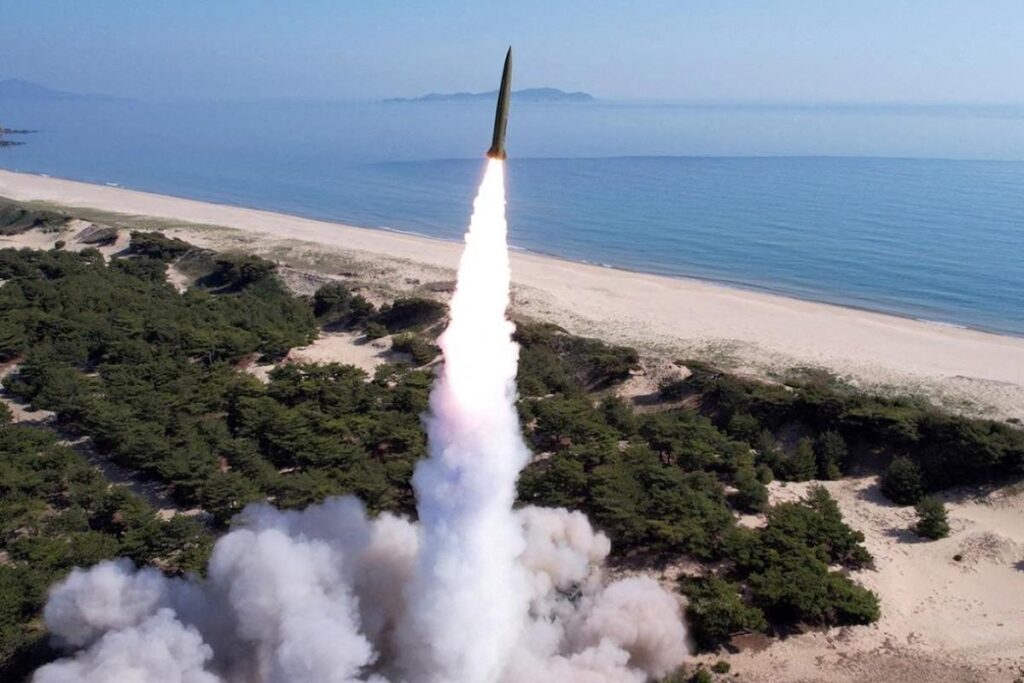
In the days leading up to this, North Korea test-fired at least two ballistic missiles off its east coast, and separately tested submarine-launched cruise missiles. Analysts who watch this region for a living say this pattern is familiar North Korea often uses the drills as a pretext to test and showcase new weapons systems while rallying domestic support around Kim Jong Un.
So is this a North Korea nuclear threat 2026 situation that’s genuinely different, or just louder rhetoric on repeat? Let’s break it down.
Why This Year’s North Korea Nuclear Warning Sounds Different
I’ll be straight with you: I’ve read a lot of North Korean state statements over the years, and most of them follow a predictable script “war rehearsal,” “imperialist aggressors,” “self-defense.” That language is still here. But a few things stand out this time.
1. The “nuclear alliance” framing. North Korea is explicitly describing US-Japan-South Korea cooperation as a nuclear alliance, not just a military one. That’s a rhetorical shift meant to justify accelerating its own weapons program as a supposed defensive necessity.
2. Accusations about US nuclear strategy. Pyongyang has accused Washington of lowering the threshold for nuclear weapons use, claiming this pushes the region toward what it called the “brink of a nuclear war.” Whether or not you buy that framing, it tells you how North Korea wants to be perceived as the reactive party, not the aggressor.
3. Back-to-back missile tests.Two ballistic missile launches within about a week, plus submarine-launched cruise missile tests, is a faster tempo than a routine show of displeasure. It suggests Pyongyang wants both to test new hardware and to make a visible statement before the drills even start.
None of this automatically means war is coming. But it does mean the temperature is a bit higher than a typical August.
A Reality Check: This Has Happened Before
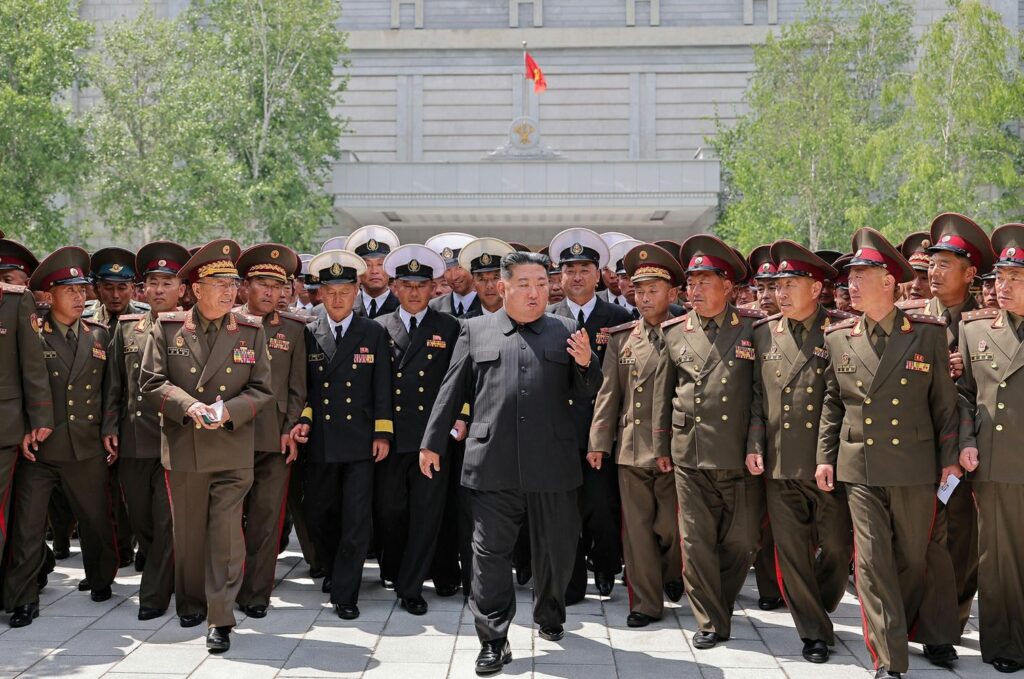
If you only read the scariest headlines, it’s easy to assume every North Korea nuclear war warning is a five-alarm fire. Having tracked this beat for a while, I can tell you the pattern is almost annual.
Go back to 2023, and you’ll find North Korea threatening an “unprecedented” response to that year’s drills, warning of “grave” escalating tension on the peninsula. Sound familiar? It should because it’s nearly the same language being used now.
That’s not me saying “don’t worry about it.” It’s me saying: context matters. North Korea’s playbook, historically, is loud rhetoric plus weapons tests, not surprise attacks. The drills are announced well in advance, both sides describe them as defensive, and diplomatic channels however frozen still technically exist.
Why the US-South Korea Drills Keep Happening Anyway
I get asked this a lot by friends who aren’t glued to foreign policy news: “If these drills make North Korea so angry every single year, why does anyone keep doing them?“
Fair question. Here’s the practical answer.
The US South Korea military drills aren’t just symbolic saber-rattling. This year’s Ulchi Freedom Shield exercise reportedly includes training against drone attacks, GPS jamming, and cyberattacks all threats that have become much more relevant as North Korea (and frankly, most modern militaries) lean harder into these tools. US and South Korean officials frame the drills as readiness exercises, not offensive rehearsals, and point out they’re announced publicly, unlike a surprise mobilization would be.
From Seoul and Washington’s perspective, skipping the drills because North Korea objects would essentially hand Pyongyang a veto over allied training decisions. So the drills go ahead, the statement from North Korea comes out almost like clockwork, and the cycle continues.
What This Means for US-North Korea Tensions Going Forward
The bigger story under all of this is the broader freeze in North Korea US tensions. Kim Jong Un has largely ignored offers from Washington and Seoul to restart diplomacy since talks broke down years ago. Instead, North Korea has focused on expanding its nuclear arsenal and, notably, has deepened military cooperation with Russia reportedly supplying troops and ammunition in exchange for economic and technical support.
That relationship with Russia is worth watching closely. It gives North Korea both financial breathing room and possibly technical assistance it wouldn’t otherwise have, which changes the calculus on how fast its weapons program can move.
Analysts I’ve seen quoted on this consistently point to one theory: Kim isn’t racing toward nuclear war, he’s racing toward negotiating leverage. The nuclear program isn’t the end goal it’s the bargaining chip he hopes to eventually cash in for sanctions relief. That doesn’t make the situation harmless, but it does help explain why provocations tend to stop short of anything irreversible.
Read More : West Bank at Breaking Point: What Is Happening in the Occupied Territory?
My Honest Take
Having sat through a handful of these August news cycles now, here’s my read.
I don’t think this specific round of drills is likely to “trigger” an actual war. The language is sharper, the missile tests are more frequent, and the “nuclear alliance” framing is new but the underlying structure of the standoff hasn’t changed. Both sides are still operating inside a familiar script: drills happen, North Korea protests loudly and tests weapons, the world watches, and things settle back into an uneasy status quo until the next cycle.
What I wouldwatch closely over the next couple of weeks:
– Whether North Korea conducts a larger test (like an ICBM launch) rather than the shorter-range tests we’ve seen so far
– Any unusual troop movements reported near the Demilitarized Zone (DMZ)
– Whether China or Russia issue any statements that shift the diplomatic temperature
– How the drills conclude on August 27 and whether North Korea’s rhetoric cools afterward, as it usually does
If any of those escalate beyond the typical pattern, that’s when I’d say the concern level genuinely goes up a notch.
Read More : Mecca Defence Pact Signed as Hormuz Agreement Nears: What It Really Means
How to Stay Informed Without Getting Overwhelmed
If you want to actually track this instead of just doom-scrolling headlines, here’s what’s worked for me:
1. Follow wire services directly Reuters, AP, and Yonhap News Agency (South Korea’s national wire) tend to report facts first, analysis second, with less sensational framing than some outlets.
2. Check South Korea’s Joint Chiefs of Staff statements they’re usually the first to confirm or deny missile launches, often faster than international media.
3. Use a simple news aggregator app like Google News or Apple News and set an alert for “North Korea” so you’re not manually refreshing five sites.
4. Ignore any headline using the word “imminent” without a named source that word gets overused in this beat more than almost any other.
5. Give it a week after the drills end before drawing conclusions the real signal is usually in how things settle down (or don’t) after August 27.
Read More : Ukraine Sends New Peace Proposal to US: Could the Russia-Ukraine War Finally End?
FAQs About the North Korea Nuclear War Warning
Is North Korea actually preparing for nuclear war right now?
Based on current reporting, there’s no indication of an imminent nuclear strike. North Korea’s actions missile tests, harsh statements follow a pattern seen almost every year around joint US-South Korea drills. It’s a warning and a show of force, not evidence of an active attack plan.
Why does North Korea always react so strongly to these drills?
North Korea frames the exercises as rehearsals for an invasion, even though the US and South Korea describe them as defensive readiness training. Reacting loudly also serves North Korea’s internal purposes, rallying domestic support around its leadership.
What is Ulchi Freedom Shield?
It’s the name of the annual large-scale joint military exercise between the US and South Korea, this year running from August 17 to 27, 2026. It includes training against modern threats like drone warfare, GPS jamming, and cyberattacks.
Could this situation escalate into an actual war?
It’s possible in theory, but historically these annual cycles of tension have not escalated into open conflict. Analysts generally believe North Korea’s nuclear program is aimed at gaining negotiating leverage rather than launching a first strike.
What role does Russia play in North Korea’s nuclear ambitions?
North Korea has expanded military cooperation with Russia in recent years, reportedly supplying troops and ammunition in exchange for economic and military assistance. This relationship may be helping North Korea sustain and advance its weapons programs.
Should I be personally worried about this news?
For most people outside the region, this is a story worth following rather than panicking over. If you live in South Korea, Japan, or nearby, it’s worth staying tuned to official government channels for any specific safety guidance, though no such warnings have been issued in connection with this year’s drills.
Wrapping This Up
Every year, this story resurfaces, and every year I get messages from friends asking if they should be worried. My honest answer stays pretty consistent: take the North Korea nuclear warning seriously as a diplomatic and security story worth watching, but don’t let the scariest headline you scroll past at midnight convince you that war is around the corner.
The drills will run through August 27. North Korea will likely keep testing weapons and putting out sharp statements. And unless something breaks from the usual pattern a bigger test, unusual troop movement, or a shift in language from Beijing or Moscow this is very likely to follow the same arc we’ve seen before: loud, tense, and ultimately contained.
I’ll be watching how this unfolds, and if anything genuinely shifts, it’ll be worth revisiting. For now, stay informed, not alarmed.

C0-Founder and Editor
Tazeen and Arzoo are the Co-Founders and Editors of THE NEWSTER. They specialize in covering world news, technology, weather, business, and trending stories. Their mission is to deliver accurate, timely, and well-researched journalism while making complex topics clear, reliable, and easy for readers to understand.
About The Author