Tropical Storm Maysak Flooding in Southern China 2026: 39 Dead, Thousands Evacuated
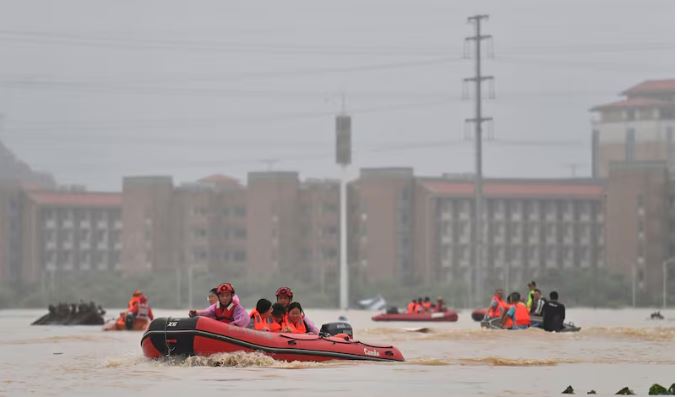
Tropical Storm Maysak Flooding in Southern China 2026
Tropical Storm Maysak flooding in southern China has killed 39 people and forced thousands to evacuate. Here’s what happened, why the toll jumped, and real flood-safety lessons.
Tropical Storm Maysak Flooding in Southern China 2026: 39 Dead, Thousands Evacuated
I woke up Thursday morning, checked the news like I do every day with my coffee, and just stopped scrolling. A death toll that had been sitting at six people two days earlier had suddenly jumped to 39. That kind of jump doesn’t happen with “normal” bad weather. It happens when something breaks literally.
That something was a dam.
Tropical Storm Maysak flooding in southern China has become one of the deadliest weather disasters the region has seen in years, and if you’ve been seeing the headlines pop up without much context, I want to walk you through what actually happened, why the numbers climbed so fast, and what it can teach the rest of us about flood preparedness because storms like this aren’t staying rare.
What Actually Happened in Guangxi
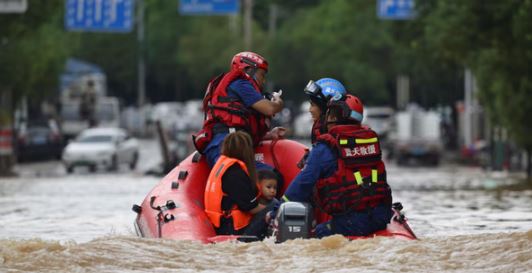
The flooding hit the Guangxi Zhuang Autonomous Region in southern China, centered around the city of Nanning. Officials said most of the deaths came after a dam breach flooded the city, with the toll announced Thursday jumping sharply from a previous count of just six.
Nanning’s vice mayor, Ding Wei, confirmed that 26 of the deaths were directly tied to the dam breach east of the city, with nine more people still listed as missing across the wider Guangxi region.
What made this so brutal was the sheer volume of rain. Guangxi got hit with 10 to 40 centimeters (4 to 16 inches) of rain in some areas, and over 90 centimeters (35 inches) in the hardest-hit zones, according to China’s national meteorological center. To put that in perspective, 90 centimeters of rain is close to three feet of water falling from the sky in a matter of days. No drainage system or reservoir is built to handle that casually.
The rain started battering the region the previous Saturday, breaching reservoirs and trapping people in their homes for days before rescue crews could reach them.
The Human Side of the Disaster
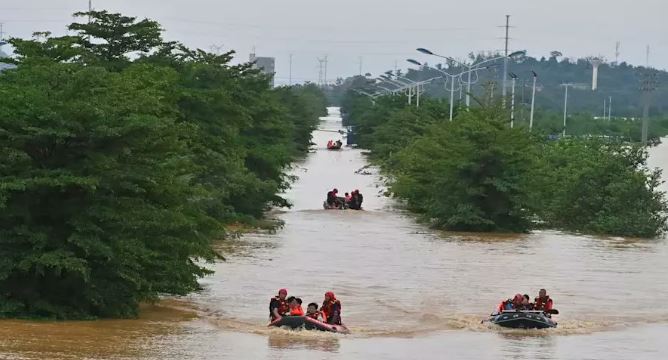
This is the part that stuck with me. Around 130,000 people were evacuated from the region, with rescue teams using drones and thousands of boats to reach people cut off by the water.
On Thursday, rescuers were still pulling out more than 10,000 trapped students and teachers from a cluster of schools in Guigang city. Just picture that for a second thousands of kids and their teachers stuck in school buildings for days while floodwaters kept rising outside.
Recovery work is still ongoing too. Crews have been clearing mud and debris and disinfecting hard-hit towns in Hengzhou, and electricity has been restored to more than 60,000 homes so far.
And in a small, strange detail that made local news its own way more than 100 animals, including alpacas, miniature pigs, and zebras, escaped from Guigang’s zoo after the flooding damaged enclosures, and local officials had to publicly ask residents to help track down missing raccoons, porcupines, and peacocks.
It’s Not Over Yet
Here’s the part that worries me most as I write this. A second storm, Typhoon Bavi, is already at sea and forecast to pass just north of Taiwan before making landfall in Zhejiang or Fujian province. That’s a region of 23 million people on Taiwan alone bracing for more heavy rain, right on the heels of Maysak.
This is the reality of storm season now it’s rarely just one event. It’s one storm stacking on top of another, with waterlogged ground and stressed infrastructure having zero time to recover in between.
Quick Reference: The Numbers So Far
| Detail | Figure |
|---|---|
| Confirmed deaths | 39 |
| Deaths from the Nanning dam breach | 26 |
| People still missing | 9 |
| People evacuated | ~130,000 |
| Students/teachers rescued from Guigang schools | 10,000+ |
| Homes with power restored | 60,000+ |
| Peak rainfall in hardest-hit areas | ~90 cm (35 in) |
| Previous death toll (before revision) | 6 |
| Next storm threat | Typhoon Bavi (heading toward Taiwan/Zhejiang/Fujian) |
My Honest Take
What gets me about this story isn’t just the rain totals it’s how fast the death toll moved. Going from six to 39 in the space of about two days usually means one of two things: either the disaster is still unfolding as rescuers reach areas they couldn’t get to before, or the initial numbers were simply incomplete because communication was down. In a flood this size, it’s often both.
Dam and reservoir failures are also the detail I’d pay attention to if I were tracking this story going forward. A tropical storm dumping heavy rain is dangerous on its own, but when that rain overwhelms infrastructure that’s supposed to hold water back, the flooding becomes sudden and much harder to escape which lines up with why the Nanning breach alone accounted for two-thirds of the deaths.
Read More : Europe Extreme Killer Heat Emergency 2026: Death Toll Rises as Record Temperatures Scorch the Continent
Flood Safety Lessons Worth Actually Remembering
I’m not going to pretend I rode this storm out myself I didn’t, and it wouldn’t be right to say otherwise about something that killed 39 people. But covering disasters like this repeatedly, a few practical, non-negotiable flood safety habits keep coming up from emergency management agencies, and they’re worth repeating because people genuinely forget them in the moment:
1. Don’t wait for an official evacuation order if water is already rising near you. By the time evacuations are ordered, roads can already be impassable.
2. Avoid walking or driving through moving floodwater. Even 15–20 cm (6–8 inches) of fast-moving water can knock an adult off their feet, and about 30 cm (12 inches) can float most cars.
3. Keep a charged power bank and a battery or hand-crank radio at home. Cell towers and power grids go down fast in major flooding, and local radio is often the first thing to come back.
4. If you’re near a dam or reservoir, know the evacuation route in advance. Dam breach flooding moves faster and with less warning than regular river flooding.
5. After the water recedes, don’t assume it’s safe. Structural damage, contaminated water, and downed power lines are often more dangerous than the flood itself.
Read More: Europe Extreme Killer Heat Emergency 2026: Death Toll Rises as Record Temperatures Scorch the Continent
Common Mistakes People Make During Flood Events
– Assuming a “tropical storm” (versus a “typhoon” or “hurricane“) means it’s less dangerous. Rainfall totals, not wind category, are what caused most of the damage here.
– Staying in a building because it survived the first day of flooding, without accounting for water still rising or a dam upstream.
– Underestimating how long rescue and power restoration can take in this case, crews were still working days after the rain stopped.
Final Thoughts
Stories like this are a reminder that flood risk isn’t some far-off, abstract thing it’s rainfall totals, aging infrastructure, and how fast people can get out of the way when both fail at once. Guangxi is still in recovery mode, Typhoon Bavi is already on the way toward Taiwan and China’s east coast, and the death toll here may not be final.
If you’ve got family or friends in southern China, Taiwan, or the Zhejiang/Fujian coast, now’s a good time to check in with them and make sure they know where their nearest evacuation route is not after the next storm hits, but before.
This post covers a developing, sensitive news event. If you or someone you know has been affected by this disaster and is struggling emotionally, please reach out to a mental health professional or a local crisis support line for help.
Read More : Venezuela Earthquake Live Updates: Rescuers Race Against Time as 72 Hour Survival Window Nears End

C0-Founder and Editor
Tazeen and Arzoo are the Co-Founders and Editors of THE NEWSTER. They specialize in covering world news, technology, weather, business, and trending stories. Their mission is to deliver accurate, timely, and well-researched journalism while making complex topics clear, reliable, and easy for readers to understand.
About The Author