Typhoon Causes Landslides in the Philippines 2026 : 15 Killed as East Asia Braces
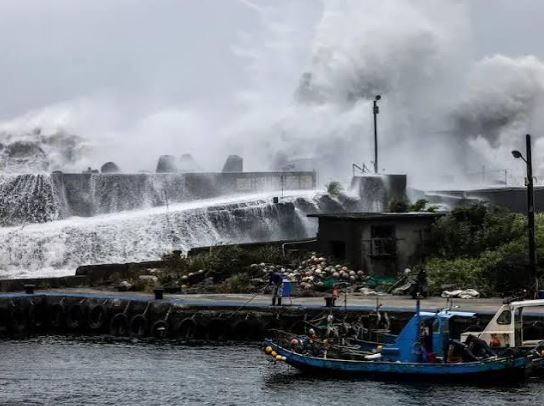
Typhoon Causes Landslides in the Philippines 2026
Typhoon causes landslides in the Philippines 2026 , killing 15 people in Mindanao as a record-breaking storm bears down on Taiwan, Japan, and China.
Typhoon Causes Landslides in the Philippines 2026: 15 Killed as East Asia Braces for a Powerful Storm
I keep a weather app open on my phone basically year-round, and every so often a notification comes through that makes me put my coffee down. That happened again this morning. A storm barreling toward Taiwan is already being called the biggest typhoon to hit the island in more than three decades and it hadn’t even made landfall there yet. It had already killed people hundreds of miles away.
That’s the part people don’t always picture when they hear “typhoon.” The wind and the eventual landfall get the headlines, but the rain that arrives days beforehand is often what actually kills people. That’s exactly what happened in the southern Philippines this week.
What’s Behind the Typhoon Causing Landslides in the Philippines
The storm is internationally named Typhoon Bavi, though Philippine authorities are tracking it under its local name, Super Typhoon Inday, since the Philippine weather agency (PAGASA) assigns its own names to storms that enter its area of responsibility. Same storm, two names that trips a lot of people up when they’re trying to follow the news across different countries.
The typhoon causing landslides in the Philippines didn’t even need to make direct landfall on Mindanao to be deadly. Days of continuous heavy rain, combined with what’s being called an “enhanced southwest monsoon,” soaked the ground until hillsides simply gave way.
Two separate landslides hit Mindanao. One struck Sitio Fandaw in Barangay Poblacion, Malapatan, in Sarangani province, where a house occupied by two families was buried, killing 10 people. The other hit Barangay Ngingir in Calanogas, Lanao del Sur, in the middle of the night, around 2:30 a.m., burying homes after the rain-soaked slope finally failed. That second landslide killed five more people and left two injured, with six others still unaccounted for.
Roads leading into the Lanao del Sur village became impassable, so rescue teams had to hike in on foot and use both manual digging and heavy machinery once they arrived, since search and rescue for landslide victims isn’t something you can rush.
Why This Keeps Happening in the Philippines
If this sounds familiar, it’s because it is. The Philippines sits in one of the most typhoon-exposed regions on the planet, and Mindanao’s mountainous terrain, combined with soil that gets saturated after days of nonstop rain, is a near-perfect setup for landslides.
There’s also a bigger climate pattern worth mentioning here, because it’s not just bad luck. Oceans just had their hottest June on record, with forecasters expecting the numbers to climb even higher in the months ahead. Warmer ocean water gives tropical storms more fuel to intensify and more moisture to dump as rain. On top of that, El Niño has returned this year, a natural Pacific warming pattern that shows up every two to seven years and tends to shift storm behavior across the region.
None of that is abstract climate talk for the families in Sarangani and Lanao del Sur right now. It’s the reason their hillsides didn’t hold.
The Bigger Picture: A Region Bracing for Impact
Here’s the part that makes this story bigger than one storm hitting one province. While Mindanao was digging out from these landslides, the same typhoon was barreling north, and other countries were already in emergency mode.
In southern and central China, a separate bout of extreme weather this week has already left at least 39 people dead, with dozens of rivers overflowing and a reservoir dam bursting. Now this typhoon is expected to slam into eastern China after passing Taiwan.
In Taiwan, more than 2,000 people have already been evacuated from their homes, most of them from the mountainous county of Hualien, where officials are closely watching two barrier dams. The typhoon’s strong-wind radius stretches 380 kilometers, which is what’s making this the largest typhoon to hit Taiwan in over 30 years. More than 28,000 troops, along with machinery and vehicles, are on standby, and hundreds of flights have already been cancelled.
In Japan, schools and offices on the remote Sakishima islands have shut down as forecasters warn of high waves and landslides there too, while businesses on Okinawa are already losing weekend bookings as the storm approaches.
Read More : Venezuela Earthquake Live Updates: 164 Dead, 971 Injured as Rescue Efforts Intensify
Quick Reference: The Numbers So Far
| Detail | Figure |
|---|---|
| Deaths from landslides in the Philippines | 15 |
| Deaths in Sarangani landslide | 10 |
| Deaths in Lanao del Sur landslide | 5 |
| People still missing | 6+ |
| People evacuated in Taiwan | 2,000+ |
| Typhoon’s wind radius | 380 km |
| Troops on standby in Taiwan | 28,000+ |
| Deaths from separate China flooding this week | 39 |
| Expected rainfall from the typhoon | Up to ~1 meter |
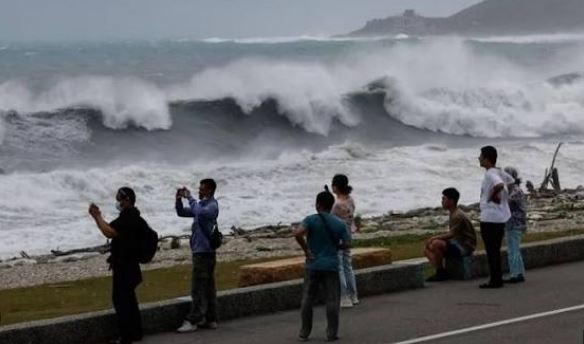
| Wave heights recorded | Up to 9 meters (30 ft) |
My Take on Why the Death Toll Keeps Climbing
What stands out to me tracking this story is how the numbers moved. It started with 5 confirmed dead in one landslide, then climbed to 15 once the second landslide in Sarangani was added in. That pattern a small number early, then a much larger one once rescue teams reach a harder-hit area shows up again and again in disasters like this. It usually means the worst-hit spot was also the hardest to reach.
It’s also worth noticing that this wasn’t really “hurricane wind” damage. It was slope failure from saturated ground, days before the storm’s center even arrived. That’s an important distinction if you live anywhere hilly or mountainous during typhoon season the wind isn’t always the thing to fear most.
Read More : Europe Extreme Killer Heat Emergency 2026: Death Toll Rises as Record Temperatures Scorch the Continent
Landslide and Typhoon Safety Steps Worth Taking Seriously
I haven’t lived through a landslide myself, and I’m not going to pretend otherwise that wouldn’t be honest, especially with real families grieving right now. But there are genuinely useful, non-negotiable safety habits that disaster response agencies keep repeating, and they’re worth actually following:
1. Watch for warning signs on slopes near your home: new cracks in the ground, tilting trees or fences, or doors and windows that suddenly stick can mean the soil underneath is shifting.
2. Don’t wait until the rain stops to evacuate a landslide-prone area. Slopes often fail hours or even a day after the heaviest rain, once the ground is fully saturated.
3. Move away from steep slopes and stream channels during and right after heavy, prolonged rain, not just during the storm’s peak.
4. Keep an emergency bag ready with a flashlight, power bank, some cash, copies of ID, and a few days of water and food if you’re in a typhoon-prone region.
5. Follow your local weather agency directly in the Philippines that’s PAGASA, and their advisories are usually more specific and faster than general news coverage.
Common Mistakes People Make During Typhoon Season
– Focusing only on wind category and ignoring rainfall totals, when rain-triggered landslides and flooding often cause more deaths than wind damage.
– Assuming a storm “already passed” means the danger is over, when saturated slopes can fail well after the rain stops.
– Staying in homes at the base of a slope because “it’s never happened before,” which is exactly the thinking that turns deadly when a slope finally does fail.
Final Thoughts
This storm isn’t finished yet. Taiwan, Japan’s southwestern islands, and eastern China are all still bracing for it, right on the heels of a week that’s already been brutal for the region. Fifteen families in Mindanao are dealing with a tragedy that started days before the typhoon even made its closest pass.
If you’ve got friends or family anywhere in this storm’s path, from Mindanao to Taiwan to China’s east coast, this is a good moment to check in on them and make sure they know their evacuation route not after the next warning goes out, but now.
This post covers a developing, sensitive news event. If you or someone you know has been affected by this disaster and is struggling emotionally, please reach out to a mental health professional or a local crisis support line for help.
Read More : Tropical Storm Maysak Flooding in Southern China 2026: 39 Dead, Thousands Evacuated

C0-Founder and Editor
Tazeen and Arzoo are the Co-Founders and Editors of THE NEWSTER. They specialize in covering world news, technology, weather, business, and trending stories. Their mission is to deliver accurate, timely, and well-researched journalism while making complex topics clear, reliable, and easy for readers to understand.
About The Author