Nizhnekamsk Drone Strike in Russia: What Happened in Russia Amid the Ukraine War?
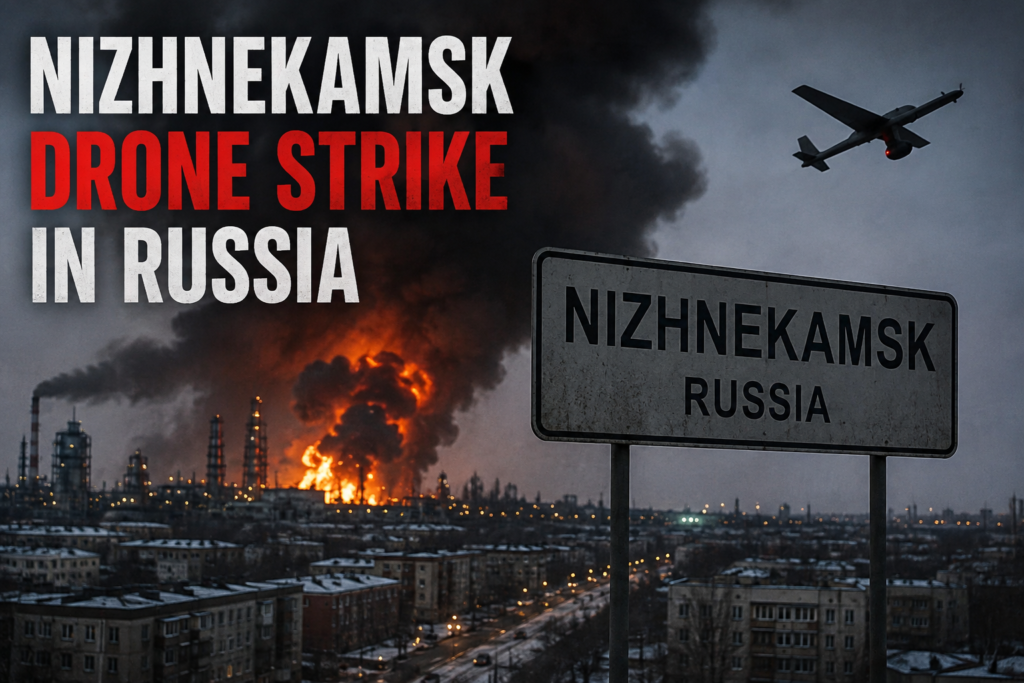
Nizhnekamsk Drone Strike in Russia
The Nizhnekamsk drone strike in Russia killed over a dozen people and hit a major oil refinery. Here’s a clear, honest breakdown of what happened and why it matters.
Nizhnekamsk Drone Strike in Russia: What Really Happened (August 2026)
I was scrolling through my usual batch of morning news feeds the ones I check with coffee before I even open my work email when the word “Nizhnekamsk” started trending. I’ll be honest, I had to double-check the spelling. Most people outside Russia had never heard of this city before Monday, August 10, 2026. Now it’s all over every wire service I follow.
That’s the thing about covering this war for as long as I have. You learn the names of places you never expected to know Bakhmut, Avdiivka, and now Nizhnekamsk. And every time a new name shows up in the headlines, it usually means something painful happened there.
So let’s slow down and actually walk through the Nizhnekamsk drone strike in Russia what we know, what’s still unclear, and why this particular attack fits into a much bigger pattern in the Russia Ukraine conflict drone attacks 2026 trend that’s been building for months.
What Actually Happened in Nizhnekamsk
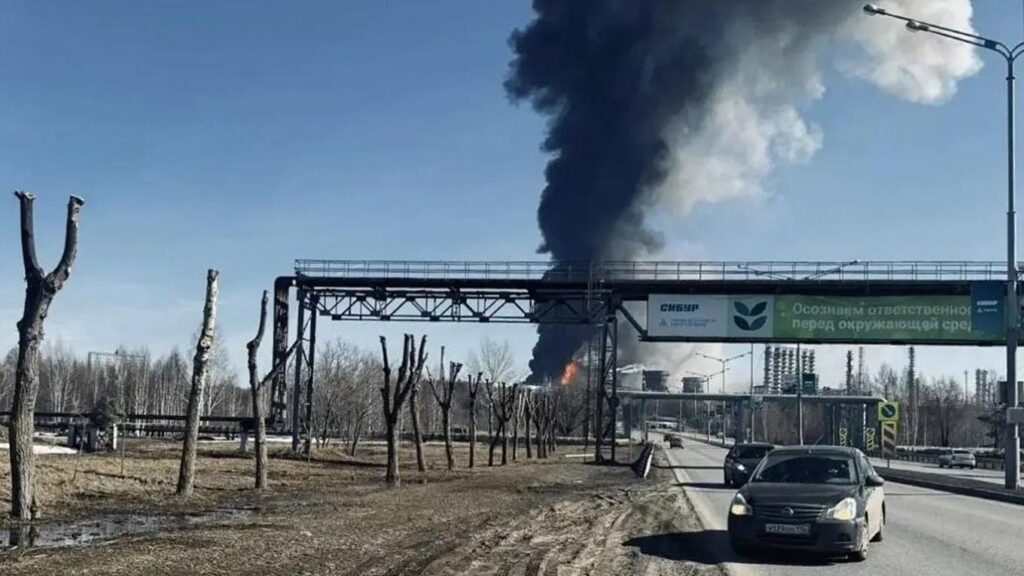
Early Monday morning, Nizhnekamsk a city of roughly 240,000 people in Russia’s Tatarstan region, about 1,200 kilometers east of the Ukrainian border came under what regional officials called a “massive” drone attack.
This wasn’t some sleepy town nobody cared about. Nizhnekamsk is an industrial hub. It’s home to two oil refineries and a huge petrochemical plant, including the Nizhnekamskneftekhim complex and a Tatneft refinery. If you’re trying to hurt Russia’s ability to fuel its war machine, this is exactly the kind of place you’d aim for.
By the time regional authorities gave their first update, they said at least 12 people had been killed and 39 wounded. A few hours later, as rescue crews kept working through the debris, the numbers climbed some reports put the death toll at 13, including a child, with the wounded count rising past 70. That’s often how these things go in the first 24 hours. The early numbers are never the final numbers, and honestly, I’ve learned to expect them to grow, not shrink.
Tatarstan’s regional head, Rustam Minnikhanov, called the strike “barbaric” and declared a period of mourning. Telegram channels tracking the war the ones journalists like me quietly keep open in a browser tab all day reported fires breaking out at the refinery complex, with thick black smoke visible for miles.
Ukraine’s military confirmed it targeted an oil refinery in the region. Russian officials, true to form, didn’t officially confirm what exactly was hit, but given the layout of the industrial zone, there wasn’t much doubt.
Why Nizhnekamsk, Specifically?
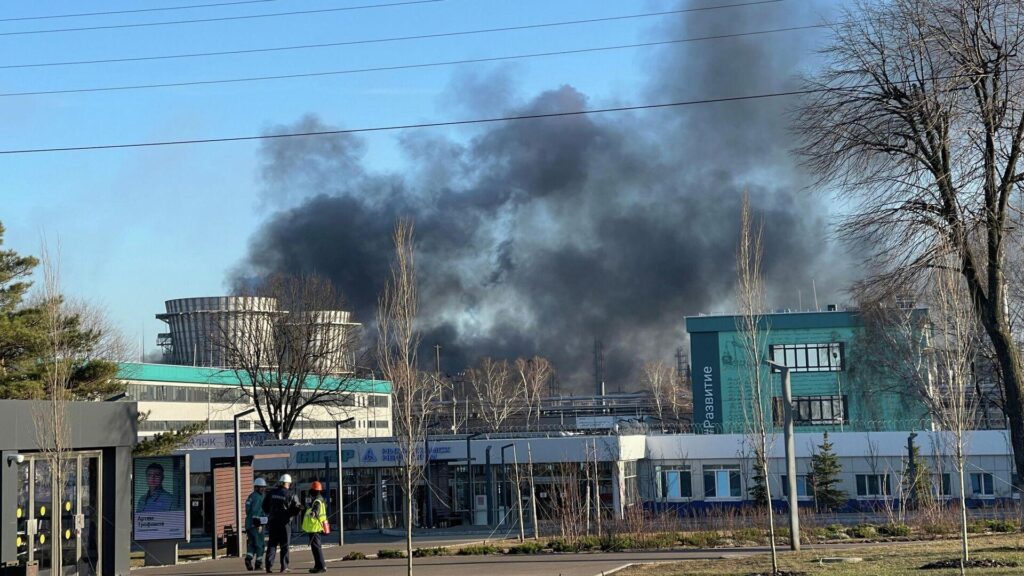
If you’ve been following this war even loosely, you’ll notice a pattern. Ukraine has been hammering Russian oil refineries with long-range drones almost daily for months now. It’s not random. It’s a strategy.
Here’s the plain-English version of the logic, based on what Ukrainian officials have said publicly: Russia’s economy and its ability to keep fighting leans heavily on oil exports and domestic fuel production. Hit the refineries hard enough, often enough, and you start choking that machine from the inside. President Volodymyr Zelenskyy said as much over the weekend, posting that Russia was “beginning to feel” the consequences of these strikes and that the campaign would continue.
It’s a grim kind of arithmetic, but it’s the reality of how this war has evolved in its fifth year.
A Quick Look at the Numbers
I like putting things into a table when the story has a lot of moving parts. It helps me keep track, and honestly, it probably helps you too.
| Detail | What We Know |
|---|---|
| Location | Nizhnekamsk, Tatarstan Republic, Russia |
| Distance from Ukraine | Roughly 1,200 km (about 750 miles) |
| Date of attack | Monday, August 10, 2026 |
| Reported deaths | 12–13 (including one child), figures still being updated |
| Reported wounded | Between 39 and 75, depending on the latest count |
| Target | Oil refinery / petrochemical industrial zone |
| Facilities in area | Nizhnekamskneftekhim, a Tatneft refinery, Taif-NK refining complex |
| City population | Approximately 240,000 |
| Regional response | Mourning declared by Tatarstan head Rustam Minnikhanov |
Read More : Jimmy Burnham Biography: Family Facts About Andy Burnham’s Son
Numbers like these can feel abstract on a screen. But every single one of those wounded numbers is a person who woke up on a normal Monday and ended up in a hospital instead of at work.
How This Fits Into the Bigger Picture
This is where I want to zoom out a bit, because the Nizhnekamsk strike didn’t happen in a vacuum. If you’ve been tracking the Russia Ukraine conflict drone attacks 2026 headlines, you already know Ukraine’s drone program has changed dramatically over the past year or two.
A few things I’ve noticed following this closely:
1. The drones are flying farther than ever. Ukraine’s domestically built long-range drones are now reportedly reaching targets around 2,000 kilometers from the border, deep into Siberia in some cases. That’s a massive leap from where things stood even 18 months ago, when most strikes stayed closer to the border regions.
2. Refineries are getting hit almost daily. This isn’t a one-off event. It’s part of a sustained campaign that’s been running for months, aimed squarely at Russia’s fuel infrastructure.
3. Ordinary Russians are starting to feel it too. Fuel shortages have been reported in several Russian regions. When refineries go offline for repairs after a strike, that ripples out to gas stations, to prices, to daily life for people who have nothing to do with the front lines.
4. The war is now in its fifth year. It’s easy to lose track of that when the news cycle moves so fast, but this conflict started back in February 2022. Four and a half years of fighting, and moments like Nizhnekamsk show it’s nowhere near a quiet resolution yet.
Read More : Sadiq Khan Biography and Political Career: From Bus Driver’s Son to Mayor of London
What Ukraine and Russia Are Saying
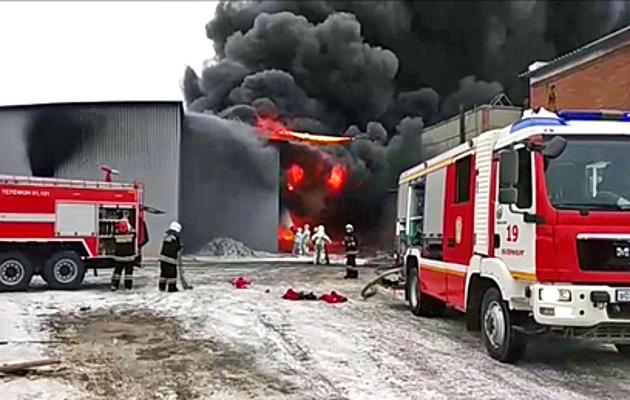
I try to give both sides a fair hearing here, because that’s just good journalism, even when it’s an uncomfortable topic.
Ukraine’s position: Officials say these strikes are legitimate military targets tied directly to Russia’s war effort refineries fuel tanks, planes, and the broader economy that funds the invasion. Zelenskyy has framed the ongoing campaign as pressure meant to push Moscow toward serious peace talks, saying he planned to speak with international mediators this week.
Russia’s position: Regional and federal officials have condemned the strike as an attack on civilian infrastructure, pointing to the casualties among ordinary residents. Minnikhanov specifically called it “barbaric” in his public statement.
Both of those things can be true at the same time, honestly. A refinery can be a legitimate military-economic target and also a place where regular working people get hurt when it’s hit. That tension isn’t going away, and it’s part of why this war has been so hard to bring to an end.
Read More : India Cockroach Protest Ends in Victory After Education Minister Resigns
What I’d Watch Next
If you want to keep tabs on how this develops without doom-scrolling all day, here’s a simple approach I use myself:
1. Check regional Russian channels for casualty updates. Early death tolls almost always shift in the first day or two, so don’t treat the first number you see as final.
2. Watch for Ukrainian military statements confirming targets. They’ve been fairly consistent about confirming which facilities they aimed at, even if Russia stays quiet.
3. Track fuel prices and shortages inside Russia. This is a slower-moving signal, but it tells you whether the refinery campaign is actually working as intended.
4. Follow diplomatic statements around peace talks. Zelenskyy mentioned mediators this week that’s worth watching, since any real movement toward negotiations tends to follow spikes in strikes like this one.
5. Use a couple of independent sources, not just one. Outlets like Reuters, AP, and independent Russian-language sites such as Meduza have been covering this from different angles, and cross-checking them gives you a fuller picture than any single feed.
Read More : Mecca Defence Pact Signed as Hormuz Agreement Nears: What It Really Means
A Personal Note
I’ve covered enough of these strikes now that I notice my own reaction changing. The first time I wrote about a refinery strike, it felt like a big geopolitical story. Now, every time one of these hits, my first thought is about the wounded numbers climbing through the day, and the fact that somewhere in Nizhnekamsk right now, families are sitting in hospital waiting rooms.
That doesn’t mean the strategic side doesn’t matter it clearly does, and it’s shaping how this war plays out. But I think it’s worth remembering both layers of the story at once: the military logic, and the human cost sitting underneath it.
Read More : Who is Saadiya Ahmed: What’s Actually Known About Sadiq Khan’s Wife
Frequently Asked Questions
What is Nizhnekamsk, and why does it matter in this war?
Nizhnekamsk is an industrial city in Russia’s Tatarstan region, roughly 1,200 kilometers from Ukraine. It’s a major oil refining and petrochemical hub, which is exactly why it became a target in Ukraine’s ongoing campaign against Russian fuel infrastructure.
How many people were killed in the Nizhnekamsk drone strike?
Initial reports from Tatarstan officials said 12 people were killed, including a child, with the number later reported as 13 in some updates. Casualty figures like these often shift slightly as rescue operations continue, so it’s worth checking the latest updates from multiple sources.
Did Ukraine confirm it carried out the strike?
Yes. Ukraine’s military said it targeted an oil refinery in the Nizhnekamsk area as part of its broader campaign against Russian energy infrastructure. Russian officials condemned the attack but didn’t specify exactly what was struck.
Why is Ukraine targeting Russian oil refineries specifically?
Ukrainian officials describe it as a strategy to pressure Russia economically and militarily by disrupting fuel supplies that support the war effort, with the stated goal of pushing Moscow toward serious negotiations.
Is this part of a bigger pattern, or a one-time event?
It’s part of a much larger pattern. Long-range Ukrainian drone strikes on Russian refineries have become an almost daily occurrence in recent months, with some drones reportedly reaching as far as Siberia.
Is it safe to travel to or near Tatarstan right now?
Given the active nature of this conflict and the demonstrated reach of long-range drones into Russian territory, travelers should check official government travel advisories before making any plans involving Russia, and stay updated through reliable news sources.
Final Thoughts
Stories like the Nizhnekamsk drone strike in Russia are hard to write about without either sounding too clinical or too dramatic. I try to land somewhere in the middle give you the facts, give you the context, and be honest about what we still don’t know.
What’s clear right now is this: the drone war between Russia and Ukraine has moved deep into Russian territory, it’s hitting economically important targets, and it’s costing real lives on both sides of this conflict. Whether this particular strike nudges the war closer to a negotiating table, as Zelenskyy suggested, or just becomes one more entry in a long and painful list that’s something we’ll only know with time.
I’ll keep watching this one, and I’d genuinely encourage you to follow a couple of independent outlets yourself rather than relying on a single headline. Wars like this move fast, and the full picture usually only comes into focus a few days after the first reports land.

C0-Founder and Editor
Tazeen and Arzoo are the Co-Founders and Editors of THE NEWSTER. They specialize in covering world news, technology, weather, business, and trending stories. Their mission is to deliver accurate, timely, and well-researched journalism while making complex topics clear, reliable, and easy for readers to understand.
About The Author