US Fires Missiles at Cargo Ship Near Iran: What Happened in the Strait of Hormuz?
US Fires Missiles at Cargo Ship Near Iran
US Fires Missiles at Cargo Ship Near Iran what happened to the Vela Nova, why the US blockade exists, and what it means for the Strait of Hormuz.
US Fires Missiles at Cargo Ship Near Iran: Strait of Hormuz Explained
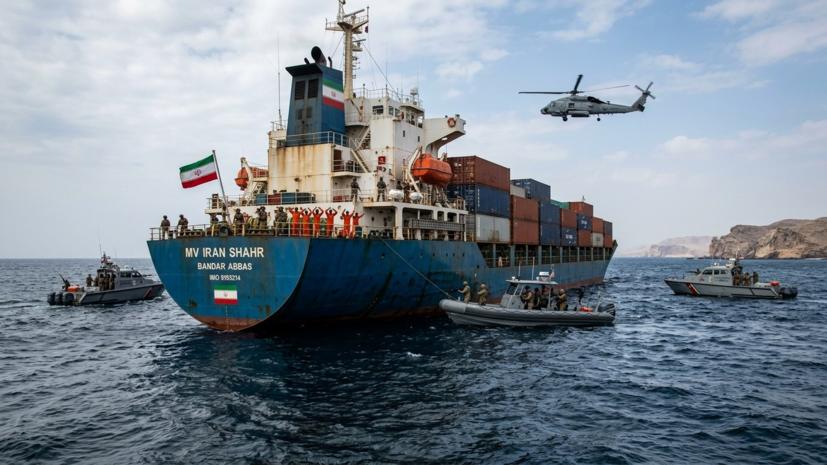
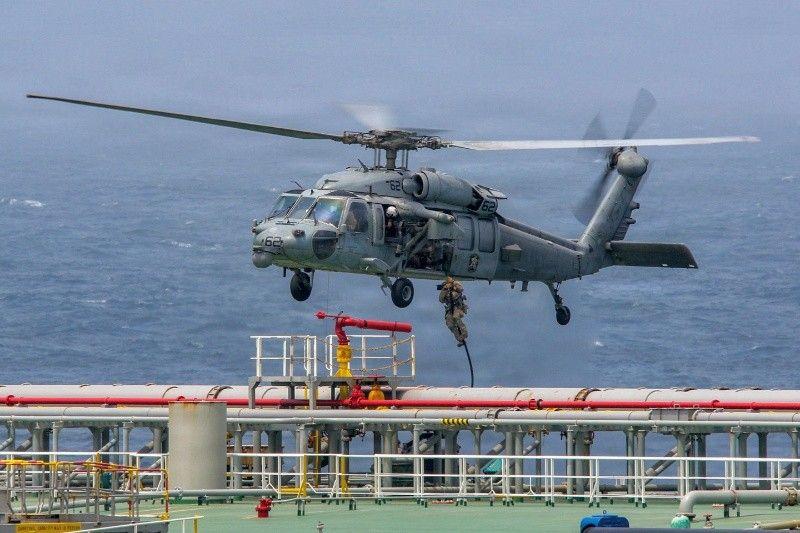
Picture a 475-foot container ship just trying to get to port. Now picture a US Navy helicopter dropping down, firing two Hellfire missiles into its engine room, and the crew getting evacuated onto another vessel while the ship burns behind them. That’s not a movie scene that’s exactly what happened in the Gulf of Oman this week, and it’s the latest sign that the situation around Iran isn’t cooling down anytime soon.
If you’ve been half-following the headlines and suddenly saw US fires missiles at cargo ship near Iran trending, you’re probably wondering how we got from “tense standoff” to “actual missiles hitting commercial ships.” Let’s walk through exactly what happened, why it happened, and what it means if you’re trying to make sense of the bigger picture.
What Actually Happened to the Vela Nova Cargo Ship
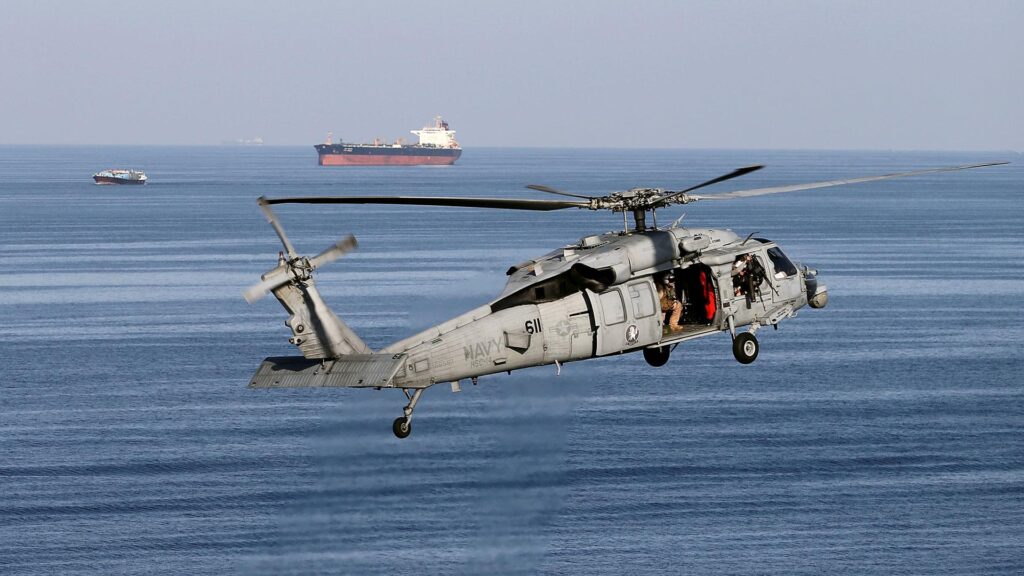
On Tuesday, August 11, 2026, US Central Command (CENTCOM) confirmed that a Navy MH-60 helicopter fired two Hellfire missiles at the Vela Nova, a Panama-flagged container ship, while it was attempting to cross the Gulf of Oman toward an Iranian port. According to CENTCOM’s statement, the missiles hit the ship’s engine room and steering area, disabling it not sinking it.
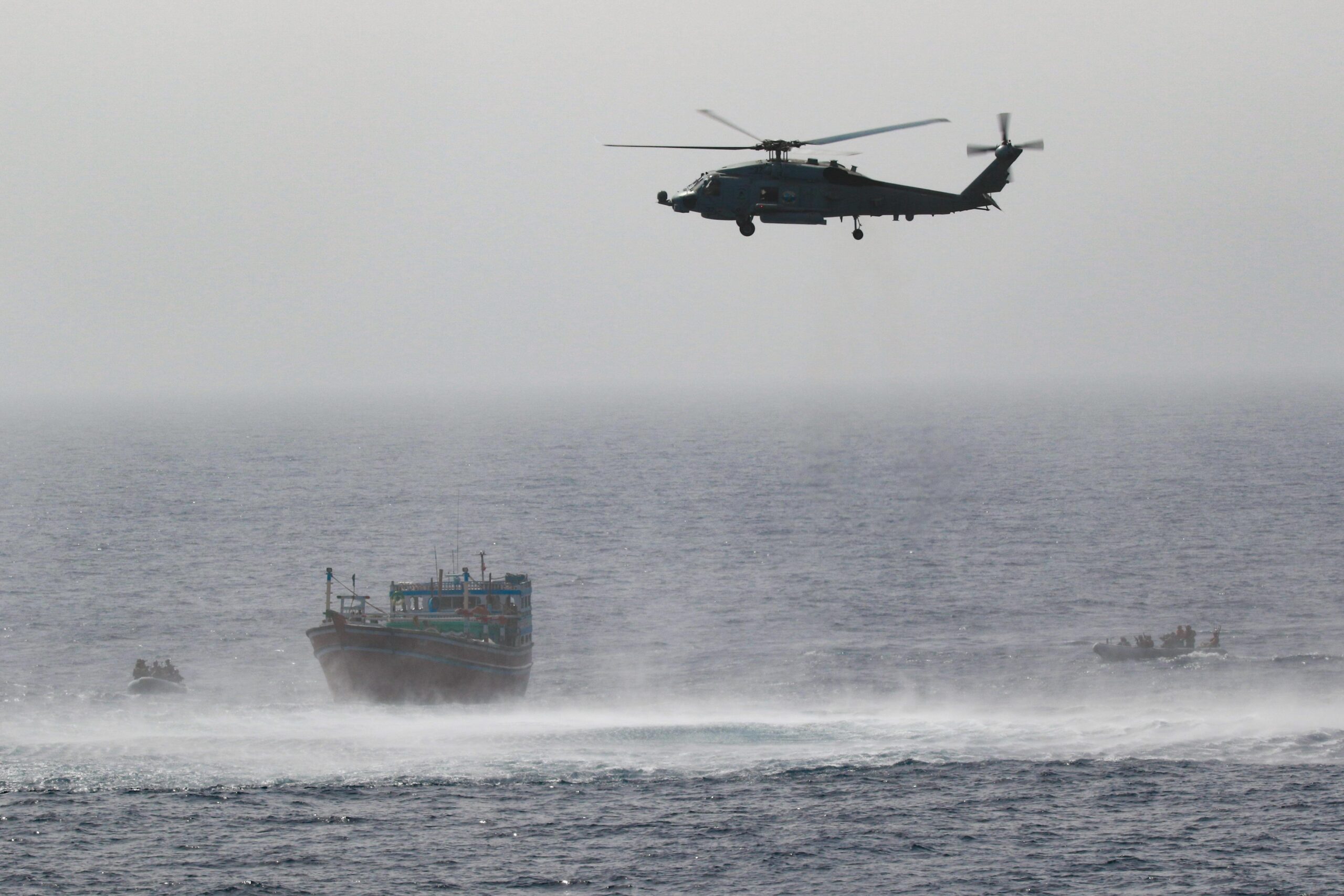
CENTCOM’s official reasoning was straightforward: the vessel ignored repeated warnings from American forces and tried to break the US blockade on Iranian ports. A maritime security firm reported the strike caused a fire onboard, which was later put out. The crew was evacuated to another ship, and as of the latest reports, no casualties have been confirmed.
Here’s the detail that puts it in context: this wasn’t an isolated incident. The Vela Nova was reportedly the 12th vessel targeted by US forces since the blockade first began, and the third disabled since it was reimposed on July 14, 2026.
Quick Background: Why Is There a US Blockade of Iranian Ports?
If you’re just catching up, here’s the short version of how this all started.
On February 28, 2026, the US and Israel launched coordinated airstrikes on Iranian military and government targets. Iran responded with missile and drone strikes on US installations and oil infrastructure across the region, including vessels in the Strait of Hormuz. That set off what’s now being referred to as the 2026 Iran war.
Iran initially closed the Strait of Hormuz entirely. Traffic through the strait normally around 130 to 140 vessels a day collapsed to single digits at points during the worst weeks. In response, the US imposed a naval blockade on Iranian ports starting April 13, aiming to stop Iran from exporting oil and generating revenue through the strait.
There was a brief window of relative calm after a memorandum of understanding for peace was signed between Washington and Tehran, and the blockade paused. But that didn’t last. Fighting resumed, and on July 14, President Trump announced the blockade was being reimposed this time with the added twist of the US charging a fee on cargo shipped through the waterway.
Strait of Hormuz Latest News: The Numbers That Matter
This is a conflict that’s genuinely reshaping global oil markets, not just regional politics. Here’s a snapshot of where things actually stand right now.
| Metric | Figure |
|---|---|
| Oil price before the war (late Feb 2026) | ~$70 per barrel |
| Peak oil price during worst disruption (March 2026) | ~$103 per barrel |
| Normal daily strait transits (pre-war) | 130–140 vessels |
| Strait transits on Aug 10, 2026 | Just 6 vessels |
| Vessels disabled by US forces since blockade began | 3 (as of Aug 11) |
| Total vessels “redirected” by US forces | 55 |
| Vessels boarded by US forces | 2 |
| Estimated daily cost to Iran from blockade | ~$500 million (US claim) |
| Iran’s estimated lost oil revenue by May 1, 2026 | $4.8 billion (US Dept. of Defense estimate) |
| Merchant ships damaged in the wider Hormuz crisis | At least 17 |
| Seafarers killed or missing in related incidents | 12 |
| Share of world oil trade that normally passes through Hormuz | ~20–25% |
Read More : West Bank at Breaking Point: What Is Happening in the Occupied Territory?
That last stat is really the whole story in one line. Roughly a fifth of the planet’s oil moves through this one narrow waterway, which is why a single missile strike on one container ship sends ripples through gas prices thousands of miles away.
Gulf of Oman Cargo Ship Attack: Not a One-Off Event
It’s worth being clear that the Vela Nova wasn’t an outlier it’s part of a pattern. Two other vessels were disabled earlier in this same blockade period: the Mozambique-flagged M/T Lavine on July 24, and the Curaçao-flagged M/T Belma about a week before that. CENTCOM’s language across all three incidents has been nearly identical vessels allegedly ignoring repeated warnings before being struck.
Meanwhile, on the same day as the Vela Nova strike, Iran-backed Houthi forces reportedly killed several crew members on a separate cargo ship in the Bab el-Mandeb Strait, a different chokepoint further south near Yemen. That’s a reminder this isn’t a two-country conflict anymore it’s spread across multiple waterways and involves multiple armed actors.
Read More : Nizhnekamsk Drone Strike in Russia: What Happened in Russia Amid the Ukraine War?
US Iran Tensions: Where Things Stand Right Now
A few threads are worth separating out if you want to actually understand the current standoff instead of just reacting to headlines:
1. Iran wants US forces gone before reopening shipping.
Iran’s Foreign Minister has said the strait won’t fully reopen until the US meets Tehran’s conditions, which reportedly include withdrawing American forces from the region. That’s a tough ask the US hasn’t shown signs of accepting.
2. There were signs of a deal briefly.
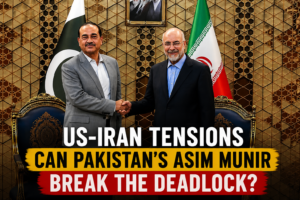
Around Tuesday, Pakistan’s defense minister told reporters the US and Iran were reportedly nearing an agreement, with talk that if Iran’s nuclear program stays in check and Hormuz traffic resumes, Trump could extend a ceasefire indefinitely. That’s a genuinely hopeful thread, even amid an active strike happening the same day.
3. Trump has pushed back on claims the strait is closed.
Despite the collapsed shipping numbers, Trump has publicly maintained that the Strait of Hormuz is “open now” a claim that sits awkwardly next to ship-tracking data showing traffic at a fraction of normal levels.
4. The economic pain is spreading beyond the Gulf
Countries in Asia that rely heavily on oil moving through Hormuz have dealt with fuel shortages and even panic buying at gas stations, according to reporting on the broader fuel crisis this war has triggered.
Read More : Mecca Defence Pact Signed as Hormuz Agreement Nears: What It Really Means
How Shipping Companies Are Actually Responding
If you’re wondering how something like this actually plays out on the ground for the shipping industry, here’s the practical side of it:
1. Rerouting around the region entirely. Many shipping firms have suspended Strait of Hormuz operations altogether, adding days and significant fuel costs to routes that would normally cut straight through.
2. Real-time tracking tools are now essential reading for the industry. Platforms like MarineTraffic and Lloyd’s List are being cited constantly by news outlets and analysts to track daily transit counts that’s how we know traffic dropped to just 6 ships on August 10 instead of the usual 130-plus.
3. Insurance costs have spiked.War-risk insurance premiums for vessels transiting contested waters climb sharply during active conflict periods, which factors directly into shipping costs and, eventually, consumer prices.
4. Crews are being briefed on blockade zones before departure. Shipping companies operating anywhere near Iranian waters are now required to plan routes around the blockade or risk exactly what happened to the Vela Nova.
Why This Matters Even If You’re Nowhere Near the Persian Gulf
It’s easy to see “cargo ship disabled near Iran” and mentally file it under “distant conflict, not my problem.” But the ripple effects are pretty direct:
Gas prices. Oil surged from roughly $70 to over $100 a barrel at the worst point of this conflict that shows up at the pump almost everywhere.
Shipping delays. Products that would normally move through the Gulf are being rerouted, which adds time and cost that eventually gets passed down the supply chain.
Global fuel shortages. Countries reliant on Gulf oil imports have already seen real shortages and rationing, not just price increases.
Read More : India Cockroach Protest Ends in Victory After Education Minister Resigns
Quick FAQs on the Vela Nova and US-Iran Tensions
Q: Was anyone killed when the US fired missiles at the Vela Nova?
No casualties have been confirmed as of the latest reporting. The crew was evacuated to another vessel, and CENTCOM did not report any injuries from the strike.
Q: Why did the US target the Vela Nova specifically?
CENTCOM said the Panama-flagged ship was attempting to sail toward an Iranian port in violation of the US naval blockade, and that its crew ignored repeated warnings before the strike.
Q: Is the Strait of Hormuz currently open or closed?
It’s technically open, but traffic has collapsed to a small fraction of normal levels around 6 vessels on August 10, 2026, compared with 130 to 140 per day before the conflict began.
Q: When did the US blockade of Iranian ports start?
The blockade began April 13, 2026, paused briefly amid peace efforts, and was reimposed on July 14, 2026, after renewed fighting.
Q: How many ships has the US disabled during this blockade?
As of August 11, 2026, CENTCOM reported disabling three non-compliant vessels, boarding two, and redirecting 55 others attempting to reach Iranian ports.
Q: Are oil prices still affected by this conflict?
Yes. Brent crude has swung significantly throughout 2026, spiking above $100 a barrel during the worst disruption and remaining volatile with every new incident in the strait.
Where This Leaves Us
What’s striking about the Vela Nova incident isn’t that it happened given the pattern of the past few months, another disabled ship was almost inevitable. What’s striking is how routine it’s become to fire missiles at commercial vessels as a matter of policy enforcement. That’s a genuinely unusual place for global shipping to be, and it’s not resolving itself quietly.
There are signs of a possible deal on the table, with reports of the US and Iran nearing an agreement even as this strike was happening. But until something concrete is signed, expect more of the same: ships testing the blockade, warnings being issued, and occasionally, missiles being fired. If you’re tracking oil prices, shipping costs, or just trying to understand the broader Middle East picture, the Strait of Hormuz is very much still the flashpoint to watch.

C0-Founder and Editor
Tazeen and Arzoo are the Co-Founders and Editors of THE NEWSTER. They specialize in covering world news, technology, weather, business, and trending stories. Their mission is to deliver accurate, timely, and well-researched journalism while making complex topics clear, reliable, and easy for readers to understand.
About The Author