Ukraine Sends New Peace Proposal to US: Could the Russia-Ukraine War Finally End?
Ukraine Sends New Peace Proposal to US
Ukraine Sends New Peace Proposal to US here’s what’s actually in it, how Russia is reacting, and whether the war could realistically end in 2026.
Ukraine Sends New Peace Proposal to US
Imagine getting the same “we’re almost there” text from someone for four and a half years straight. That’s basically what following this war has felt like for anyone paying close attention. Another proposal, another round of talks, another cautiously hopeful headline and then, somehow, the fighting keeps going.
So when the news broke this week that Ukraine sends new peace proposal to US, my first reaction wasn’t excitement. It was the same question a lot of people are probably asking: is this actually different, or just the latest chapter in a very long, very tiring cycle?
Let’s actually dig into what’s in this proposal, how Moscow is responding, and whether there’s a real reason to think 2026 could be the year this ends.
What Ukraine Just Proposed to the US
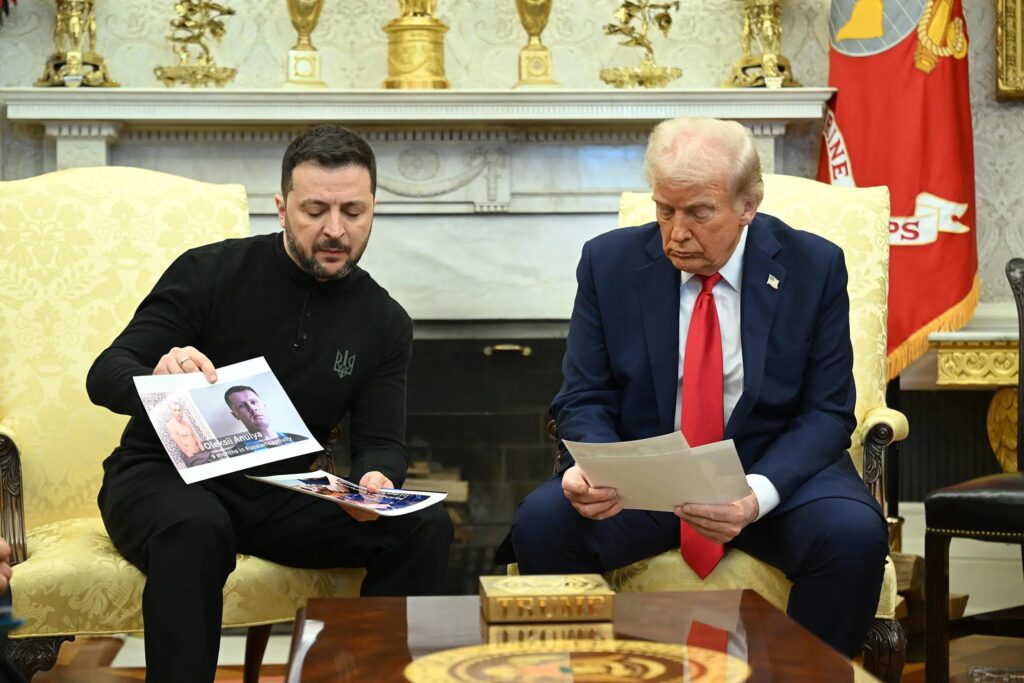
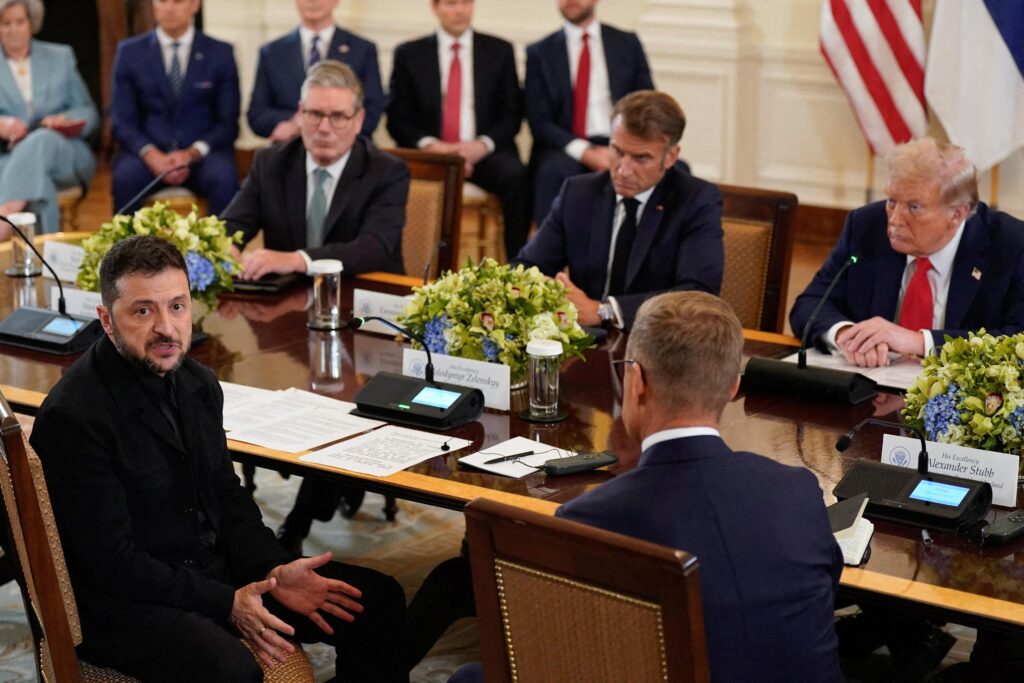
On August 11, 2026, Ukrainian President Volodymyr Zelenskyy announced in his nightly video address that Kyiv had handed Washington a new set of proposals aimed at ending the war. His exact framing was that Ukraine wants the US to help strengthen its defenses especially air defense and pressure Russia toward actually preparing for peace rather than dragging things out.
The core of the plan, based on details reported so far, isn’t about redrawing the whole map overnight. It’s more practical than that:
Freeze fighting along the current front lines not a full withdrawal, just stopping where things stand now.
Establish demilitarized buffer zones with troop pullbacks on both sides.
Increase US and international pressure on Russia to actually engage rather than stall.
More air defense systems for Ukraine, given how much of the recent damage has come from missile and drone strikes on cities far from the front line.
This is notably more limited in scope than some of the sweeping territorial plans that have been floated in the past. It’s less “redesign the map of Eastern Europe” and more “stop the bleeding, then talk.“
Read More : India Cockroach Protest Ends in Victory After Education Minister Resigns
Why This Ukraine Peace Proposal 2026 Attempt Is Happening Now
Timing matters a lot here, and there are two big pressure points behind this specific push.
First: Russia’s upcoming election. Zelenskyy specifically warned that Russia may use its parliamentary election next month as cover to announce a new mobilization wave essentially, drafting more soldiers under the political noise of an election cycle. That’s a real fear in Kyiv, since a fresh mobilization would signal Moscow is settling in for a longer fight, not winding down.
Second: a genuinely brutal winter is coming. Ukraine has been dealing with serious gaps in its Patriot air defense systems, and analysts have flagged that this shortage gives Russia an opening to inflict heavy damage over the coming months. That’s not a small detail it’s a big part of why “more air defense” is front and center in this proposal instead of being a footnote.
Read More : US Fires Missiles at Cargo Ship Near Iran: What Happened in the Strait of Hormuz?
A Quick Timeline: How We Got Here (Russia Ukraine Peace Talks 2026)
If you’ve lost track of the different plans and summits over the past year, you’re not alone there have been a lot. Here’s the condensed version:
| Date | Event |
|---|---|
| August 2025 | Trump-Putin summit in Anchorage, Alaska — ended without a signed agreement |
| November 2025 | US envoy-brokered 28-point peace plan surfaces, seen as heavily favoring Russia |
| November 2025 | European allies counter with their own 28-point plan, less favorable to Moscow |
| Late Nov 2025 | Geneva talks trim the plan down to roughly 19 points; sides claim progress |
| February 2026 | Zelenskyy accuses Russia of stalling talks to avoid concessions |
| April 2026 | 32-hour Easter truce takes effect, brokered around Orthodox Easter |
| June 2026 | Zelenskyy sends open letter to Putin proposing direct one-on-one talks in a neutral country |
| June 2026 | Lavrov says Russia sees “no prospect” for negotiations, blames Western weapons deliveries |
| August 2026 | Ukraine submits its newest front-line-freeze and buffer-zone proposal to the US |
Looking at this laid out, the pattern is pretty clear: proposals keep evolving and narrowing in scope, but the fundamental sticking points territory, security guarantees, and troop limits haven’t actually been resolved.
Read More : West Bank at Breaking Point: What Is Happening in the Occupied Territory?
How Is Russia Actually Reacting?
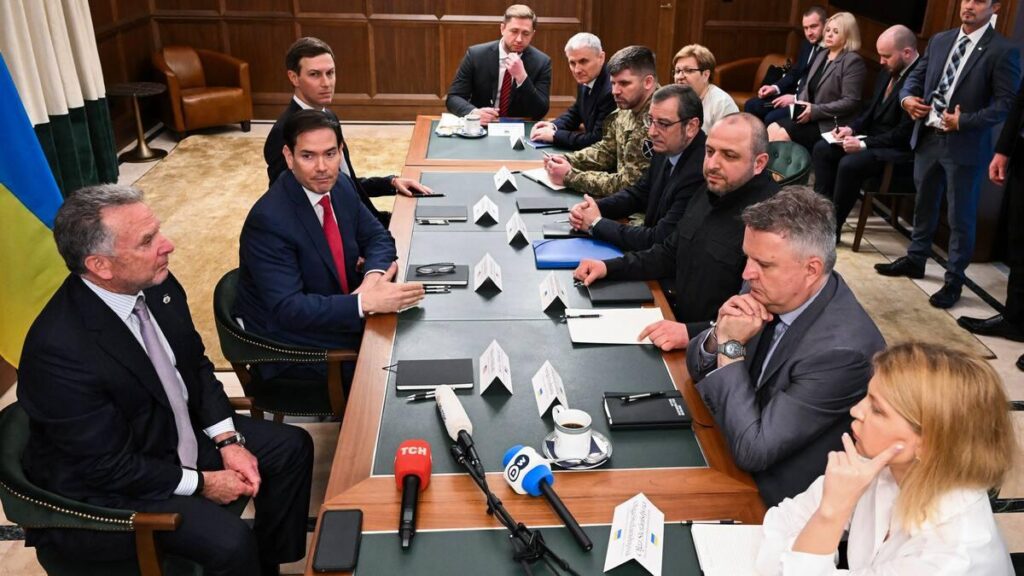
Here’s where things get less optimistic. Russian Foreign Minister Sergey Lavrov said as recently as June that he sees no real prospect for negotiations right now, pointing to continued Western arms shipments to Ukraine as proof that, in his view, there’s “no talk of any negotiations” to be had. He’s also dismissed Zelenskyy’s push for talks in a neutral country like Switzerland or Turkey, insisting instead that any meeting happen in Moscow something Zelenskyy has repeatedly rejected.
Former President Dmitry Medvedev, one of the more hawkish voices in Russian politics, said last month that Russia doesn’t even need a new mobilization wave, citing roughly 200,000 volunteers who signed military contracts in just the first half of 2026.
The Institute for the Study of War a respected US-based think tank that tracks the conflict closely put it bluntly in a recent analysis: Russia isn’t likely to enter serious negotiations or make real compromises as long as Putin believes he still has a viable path to winning militarily. And with Ukraine’s air defense gaps giving Russia room to cause serious damage this winter, the think tank suggested that dynamic could actually delay meaningful talks rather than speed them up.
That’s the uncomfortable reality behind the hopeful headlines: the battlefield situation is still shaping the diplomatic one, not the other way around.
Read More : Nizhnekamsk Drone Strike in Russia: What Happened in Russia Amid the Ukraine War?
Will Russia Ukraine War End in 2026? A Realistic Look
I get why people want a straightforward answer here, but honestly, the honest one is: probably not fully, though a partial freeze isn’t impossible.
Here’s the reasoning, broken into the factors that actually matter:
Reasons it could move forward:
1. Ukraine’s proposal is narrower and more achievable than past sweeping plans a front-line freeze is logistically simpler than negotiating final borders.
2. The US has shown sustained interest in brokering a deal, applying repeated points of pressure on both sides throughout the year.
3. War fatigue is real on both sides, and Zelenskyy himself has acknowledged that a lot of Ukrainians are tired of the fighting.
Read More : Mecca Defence Pact Signed as Hormuz Agreement Nears: What It Really Means
Reasons it probably won’t end cleanly this year:
1. Russia has repeatedly stated any deal must include Ukraine ceding regions it currently holds, plus addressing what Moscow calls the conflict’s “root causes” vague language that’s historically meant NATO membership and broader security architecture.
2. Lavrov’s recent comments suggest Moscow doesn’t see urgency to negotiate seriously right now.
3. Air defense shortages give Russia a tactical incentive to wait out the winter rather than settle.
4. Russia’s parliamentary election next month adds political incentive for the Kremlin to project strength, not compromise.
If I had to bet, a temporary or regional freeze similar to the brief Easter truce earlier this year is more realistic in the near term than a comprehensive peace deal getting signed by December.
Read More : US Fires Missiles at Cargo Ship Near Iran: What Happened in the Strait of Hormuz?
How to Actually Follow This as It Develops
If you want to track this without getting lost in a firehose of takes and hot opinions, a few sources are consistently reliable for raw, verifiable updates:
Reuters and AP wire coverage least editorializing, fastest on breaking developments.
Institute for the Study of War (ISW) publishes detailed daily assessments of both battlefield and diplomatic movement.
PBS NewsHour’s Nick Schifrin coverage has tracked the peace plan negotiations provision by provision.
Kyiv Independent and Kyiv Post for the Ukrainian government’s side of statements and negotiations.
TASS or RIA Novosti useful specifically for seeing how the Kremlin is framing things publicly (read with the understanding these are state-affiliated outlets).
Cross-referencing a Ukrainian source, a Russian-state source, and a neutral wire service on the same story usually gives you the clearest, least distorted picture.
Read More : Nizhnekamsk Drone Strike in Russia: What Happened in Russia Amid the Ukraine War?
What Would Actually Need to Happen for Peace
Based on everything reported so far, here’s what analysts and negotiators keep circling back to as the real sticking points that need resolution before any lasting deal:
1. Territory whether Ukraine formally cedes any currently-held ground in Donetsk or elsewhere, or whether a freeze-in-place approach holds.
2. Security guarantees Ukraine wants something resembling NATO’s Article 5 mutual-defense commitment; the US has been cautious about how far to go here.
3. Military size limits earlier drafts proposed capping Ukraine’s armed forces at 600,000 personnel, something Kyiv has pushed back against.
4. Sanctions relief how and when sanctions on Russia would ease, and what happens if the agreement is later broken.
5. Air defense and reconstruction support increasingly central to Ukraine’s asks, given the scale of missile and drone damage to civilian infrastructure.
Read More : West Bank at Breaking Point: What Is Happening in the Occupied Territory?
Quick FAQs on Ukraine’s Peace Proposal
Q: What exactly did Ukraine propose to the US in August 2026?
A framework to freeze fighting along current front lines, create demilitarized buffer zones with troop withdrawals, and secure more US air defense support and diplomatic pressure on Russia.
Q: Has Russia agreed to any part of this?
Not publicly, as of this proposal. Russia’s foreign minister has said he sees no real prospect for negotiations right now, citing continued Western arms deliveries to Ukraine.
Q: Is this the same as the 28-point plan from late 2025?
No that plan was broader and included territorial concessions, force caps, and NATO restrictions. It was later trimmed to roughly 19 points after Geneva talks. This new August 2026 proposal is a narrower Ukrainian-authored framework focused mainly on a front-line freeze.
Q: Why is Zelenskyy worried about a Russian mobilization?
He’s warned Russia could use its upcoming parliamentary election as political cover to announce a new draft wave, which would signal Moscow is preparing for a longer war rather than winding one down.
Q: Will the Russia-Ukraine war end in 2026?
Realistically, a full comprehensive peace deal by year-end looks unlikely given the current gaps between the two sides. A temporary or partial ceasefire, similar to April’s brief Easter truce, is more plausible than a permanent resolution.
Q: How long has this war actually been going on?
Russia’s full-scale invasion began in February 2022, making this roughly four and a half years of active conflict as of mid-2026, though tensions and fighting in eastern Ukraine trace back even further, to 2014.
Read More : US Fires Missiles at Cargo Ship Near Iran: What Happened in the Strait of Hormuz?
Where This Actually Leaves Things
Reading through everything reported this week, my honest takeaway is that this proposal is real, it’s more grounded than some past attempts, and it reflects genuine pressure building on Kyiv’s side the mobilization fears and air defense gaps aren’t abstract concerns, they’re immediate ones. But peace takes two willing parties, and right now Russia’s public posture doesn’t suggest it’s ready to meet Ukraine halfway.
That doesn’t mean nothing will happen. Diplomacy in this war has moved in fits and starts before a truce here, a stalled round of talks there and this proposal could still nudge things forward even if it doesn’t produce a signed deal. The real test will be whether Washington applies enough pressure on Moscow to actually shift its calculus, or whether this becomes one more proposal that gets discussed for a few news cycles and then quietly stalls, like several before it.
Either way, this is worth watching closely over the next few weeks especially around Russia’s parliamentary election next month, which could tell us a lot about which direction this actually goes.

C0-Founder and Editor
Tazeen and Arzoo are the Co-Founders and Editors of THE NEWSTER. They specialize in covering world news, technology, weather, business, and trending stories. Their mission is to deliver accurate, timely, and well-researched journalism while making complex topics clear, reliable, and easy for readers to understand.
About The Author